
Blog
Biological Safety Cabinets: Essential Equipment for Safe Laboratory Operations

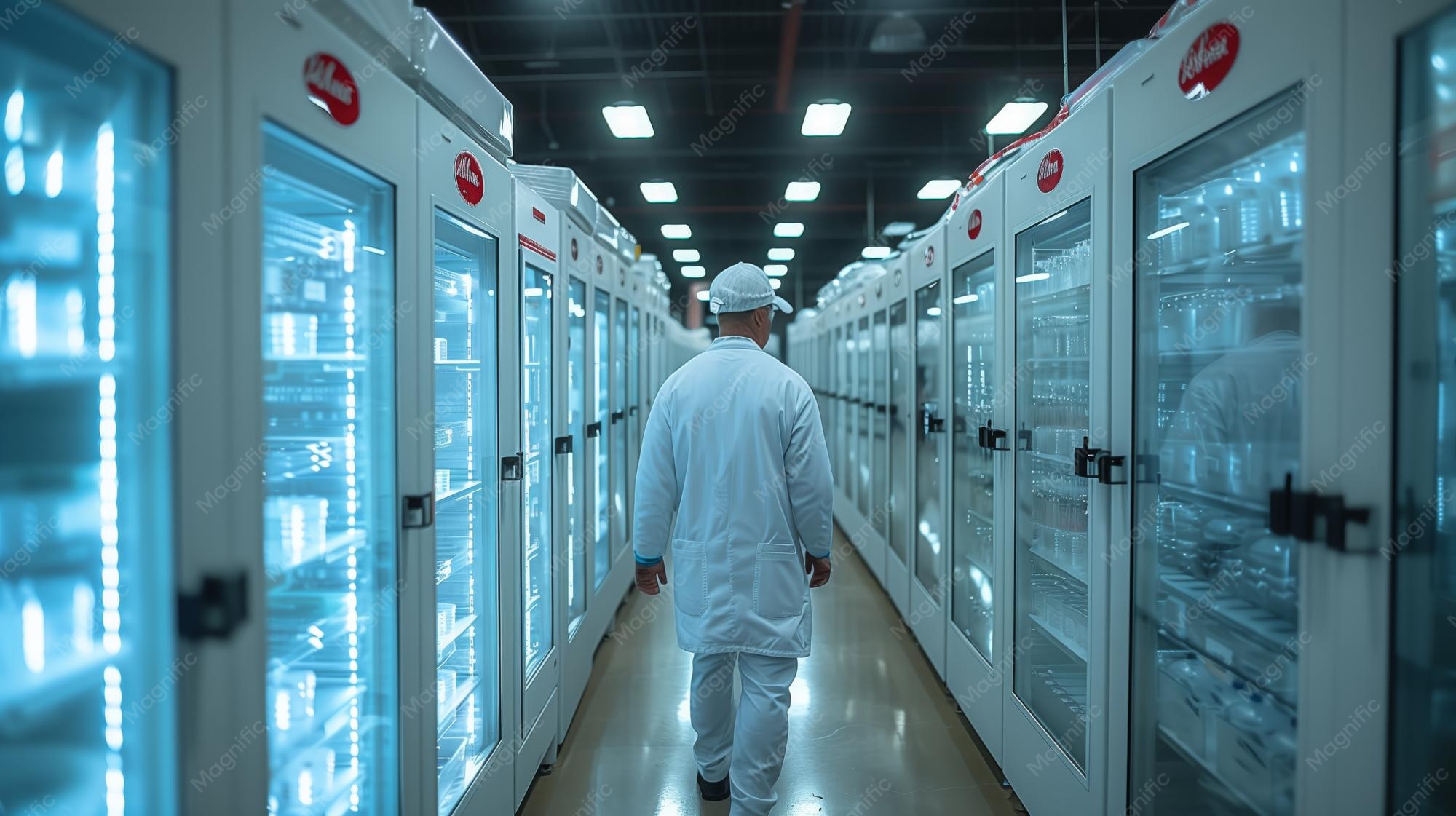
Biological Safety Cabinets (BSCs) are among the most important pieces of equipment in modern laboratories. Whether you’re working in pharmaceutical research, biotechnology, healthcare, microbiology, or diagnostic testing, a Biological Safety Cabinet provides a controlled environment that protects laboratory personnel, sensitive samples, and the surrounding environment from exposure to hazardous biological agents.
As laboratories continue to follow stringent biosafety standards, investing in the right Biological Safety Cabinet has become essential for maintaining compliance, ensuring operator safety, and delivering reliable research outcomes.
What is a Biological Safety Cabinet?
A Biological Safety Cabinet (BSC) is a ventilated laboratory enclosure designed to safely handle infectious microorganisms, biological samples, and hazardous materials. Unlike a standard laboratory fume hood, a BSC uses High-Efficiency Particulate Air (HEPA) filters to remove airborne contaminants while maintaining a sterile workspace.
Biological Safety Cabinets are widely used in:
- Pharmaceutical laboratories
- Biotechnology research facilities
- Clinical diagnostic laboratories
- Hospital laboratories
- Vaccine manufacturing facilities
- Academic research institutions
- Cell culture laboratories
- Microbiology laboratories
Why Biological Safety Cabinets Are Important
Working with biological agents carries potential risks of contamination and infection. A Biological Safety Cabinet significantly reduces these risks by providing:
Personnel Protection
The cabinet prevents harmful biological aerosols from reaching laboratory personnel through carefully controlled airflow and HEPA filtration.
Product Protection
Sterile, filtered airflow protects cultures, samples, and experiments from external contamination.
Environmental Protection
Contaminated air is filtered before being released, preventing hazardous microorganisms from entering the laboratory environment.
How Does a Biological Safety Cabinet Work?
A Biological Safety Cabinet maintains continuous airflow through HEPA filters that capture 99.97% of airborne particles measuring 0.3 microns or larger.
The cabinet works by:
- Drawing room air into the front grille
- Passing contaminated air through HEPA filters
- Delivering clean laminar airflow over the work surface
- Filtering exhaust air before releasing it into the room or external exhaust system
This controlled airflow creates a safe working environment while minimizing contamination.
Types of Biological Safety Cabinets
Class I Biological Safety Cabinet
Class I cabinets provide protection for laboratory personnel and the environment but do not protect the product being handled.
Applications:
- Low to moderate-risk biological work
- Sample preparation
- Waste handling
Class II Biological Safety Cabinet
Class II cabinets provide protection for:
- Personnel
- Product
- Environment
These are the most commonly used Biological Safety Cabinets in pharmaceutical and research laboratories.
Class II Type A2
Suitable for:
- Microbiology
- Cell culture
- Molecular biology
- Clinical laboratories
- Pharmaceutical testing
Class II Type B2
Designed for laboratories working with:
- Hazardous chemicals
- Toxic biological agents
- Radioactive materials
Class III Biological Safety Cabinet
Class III cabinets offer the highest level of biological containment and are used for handling highly infectious pathogens.
Typical applications include:
- BSL-4 laboratories
- Virus research
- High-risk infectious disease studies
Key Features of a Modern Biological Safety Cabinet
A high-quality Biological Safety Cabinet typically includes:
- HEPA H14 filtration system
- Vertical laminar airflow
- Stainless steel work surface
- UV sterilization lamp
- LED lighting
- Digital control panel
- Low noise operation
- Ergonomic design
- Alarm system for airflow monitoring
- Energy-efficient motor
- Automatic airflow balancing
Applications Across Industries
Pharmaceutical Industry
Used for:
- Sterility testing
- Vaccine development
- Drug formulation
- Microbiological analysis
Biotechnology
Supports:
- Cell culture
- DNA research
- Genetic engineering
- Protein analysis
Healthcare Laboratories
Essential for:
- Clinical diagnostics
- Blood sample processing
- Pathogen testing
Research Institutions
Ideal for:
- Molecular biology
- Microbiology
- Biomedical research
- Life sciences
Benefits of Installing Biological Safety Cabinets
Enhanced Laboratory Safety
Reduces operator exposure to infectious materials.
Regulatory Compliance
Supports compliance with:
- GMP
- GLP
- NABL
- WHO
- CDC
- ISO laboratory standards
Improved Sample Integrity
Maintains sterile conditions for accurate experimental results.
Reduced Contamination
HEPA filtration significantly lowers cross-contamination risks.
Increased Productivity
Ergonomic design allows researchers to work comfortably for extended periods.
Selecting the Right Biological Safety Cabinet
Before purchasing a Biological Safety Cabinet, consider:
- Laboratory biosafety level
- Type of biological agents handled
- Required protection level
- Laboratory space availability
- Airflow requirements
- Exhaust system compatibility
- Energy efficiency
- Certification standards
- Maintenance requirements
Choosing the correct cabinet ensures long-term safety and operational efficiency.
Maintenance Best Practices
To maintain optimal performance:
- Replace HEPA filters as recommended
- Certify the cabinet annually
- Clean interior surfaces after each use
- Inspect airflow indicators regularly
- Avoid blocking front and rear air grilles
- Minimize rapid movements while working
- Follow proper startup and shutdown procedures
Routine maintenance helps extend equipment life and ensures continued compliance with safety regulations.
Why Choose CRL Interior for Laboratory Solutions?
At CRL Interior, we specialize in designing and delivering high-performance laboratory environments that prioritize safety, functionality, and regulatory compliance. Our expertise includes:
- Turnkey laboratory solutions
- Laboratory furniture
- Cleanroom design and construction
- Modular laboratory systems
- Laboratory HVAC integration
- Laboratory utility planning
- Installation of laboratory equipment
- GMP and GLP-compliant laboratory infrastructure
We work closely with pharmaceutical companies, biotechnology firms, hospitals, research institutes, and industrial laboratories to create customized laboratory spaces that meet the highest industry standards.
Conclusion
Biological Safety Cabinets are a critical investment for laboratories handling biological materials. By providing comprehensive protection for personnel, products, and the environment, they play a vital role in maintaining laboratory safety, preventing contamination, and ensuring compliance with regulatory standards.
Whether you are setting up a new laboratory or upgrading an existing facility, selecting the right Biological Safety Cabinet is essential for achieving safe, efficient, and reliable laboratory operations