Blog
Boardroom Design Ideas for Modern Corporate Offices

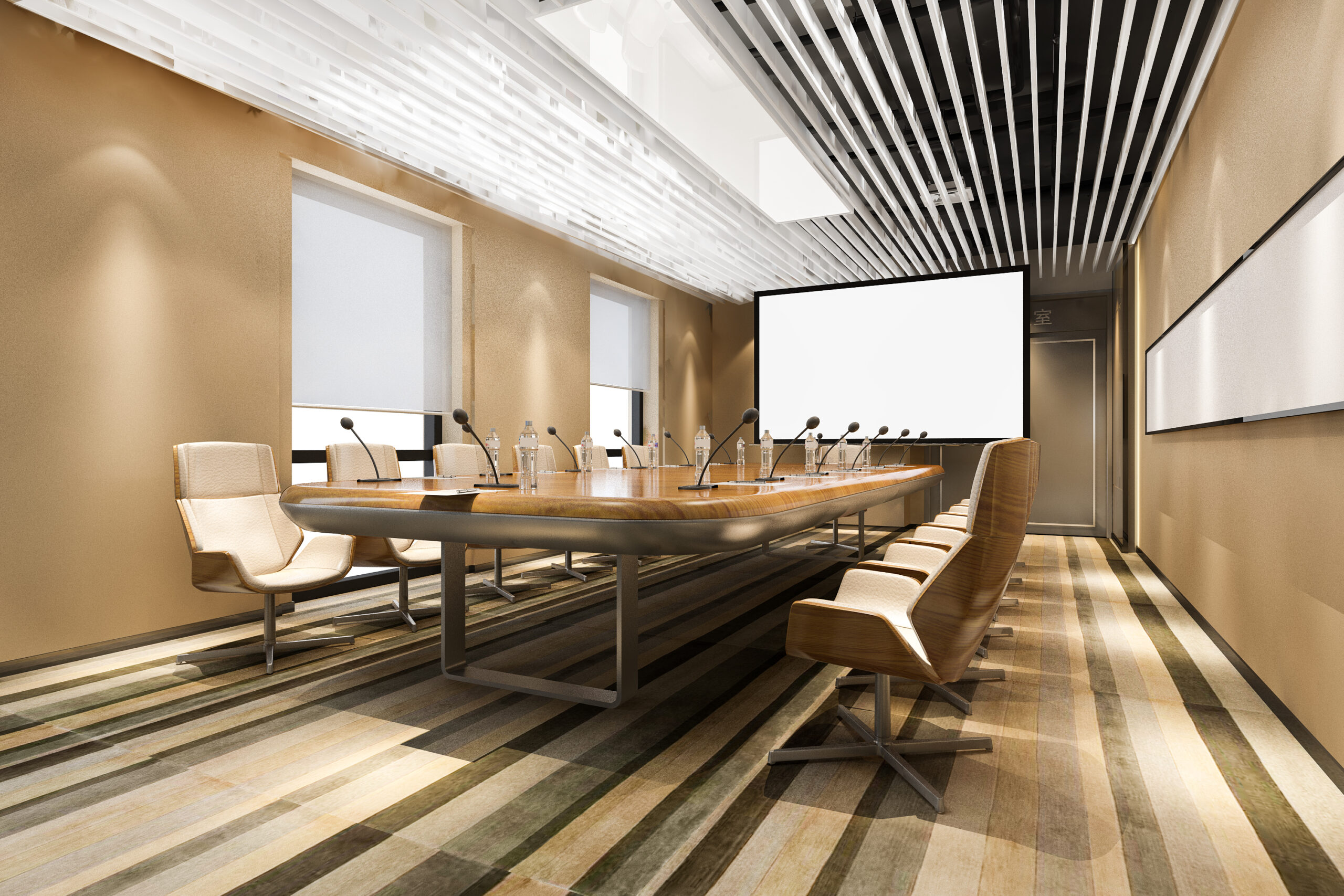
A boardroom is more than just a meeting space; it is where important business decisions are made, strategies are developed, and professional relationships are strengthened. In modern corporate offices, boardroom design plays a significant role in creating a professional atmosphere while supporting communication, collaboration and productivity.
A well-designed boardroom should combine functionality, aesthetics, technology and comfort. From selecting the right conference table to incorporating advanced audiovisual systems, every design element contributes to creating an effective meeting environment.
At CRL Interior & Fit Out Pvt. Ltd., we understand the importance of creating functional and visually appealing corporate workspaces. Here are some boardroom design ideas to consider when planning a modern corporate office.
1. Choose the Right Boardroom Layout
The layout of a boardroom directly influences communication and interaction among participants. Choosing the right configuration depends on the available space, meeting requirements and number of attendees.
Some popular boardroom layouts include:
- Traditional Boardroom Layout: A large central conference table with comfortable seating, ideal for executive meetings and formal discussions.
- U-Shaped Layout: Suitable for presentations, training sessions and interactive discussions.
- Hollow Square Layout: Encourages equal participation and direct communication among meeting attendees.
- Modular Layout: Flexible furniture arrangements that can be adapted for different meeting requirements.
Selecting an appropriate layout ensures efficient space utilisation and a comfortable meeting experience.
2. Invest in a Premium Conference Table
The conference table is the focal point of any boardroom. It should reflect the organisation’s corporate identity while providing sufficient workspace for meeting participants.
Consider the following elements when selecting a conference table:
- High-quality materials and premium finishes.
- Appropriate dimensions based on room capacity.
- Integrated cable management solutions.
- Built-in power outlets and charging facilities.
- Durable surfaces that are easy to maintain.
A thoughtfully designed conference table enhances the overall appearance and functionality of the boardroom.
3. Incorporate Modern Audiovisual Technology
Technology is an essential component of modern boardroom design. Businesses increasingly rely on digital presentations, video conferencing and hybrid meetings to communicate with teams, clients and stakeholders.
Consider incorporating:
- Large LED displays or interactive screens.
- Video conferencing cameras and microphones.
- Integrated speakers and sound systems.
- Wireless screen-sharing facilities.
- Smart meeting room controls.
Proper planning of electrical points, data connections and equipment placement ensures a clean and organised environment.
4. Focus on Lighting Design
Lighting has a significant impact on the comfort and functionality of a boardroom. A combination of natural and artificial lighting creates a pleasant environment for meetings and presentations.
Some effective lighting solutions include:
- Recessed ceiling lights for uniform illumination.
- Linear LED lighting for a contemporary appearance.
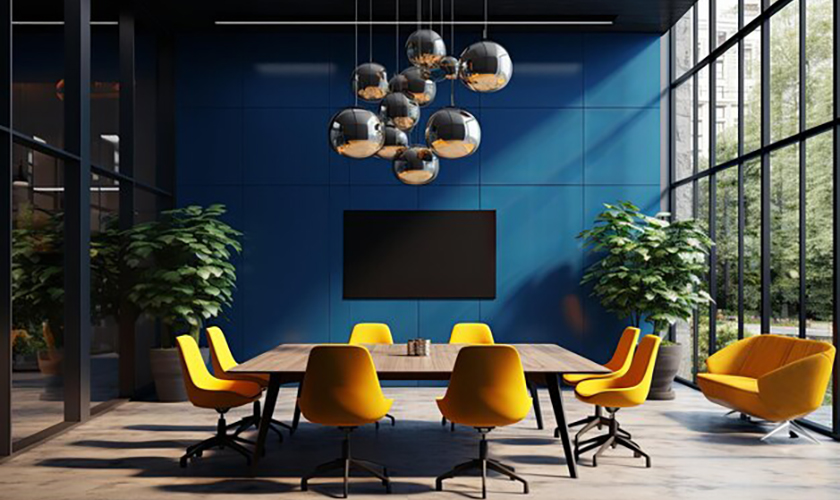
- Pendant lights above the conference table.
- Dimmable lighting systems for presentations.
- Natural daylight through appropriately designed windows.
Avoid excessive glare on screens and reflective surfaces to ensure visual comfort.
5. Select Comfortable and Ergonomic Seating
Boardroom meetings can often last several hours, making comfortable seating an important design consideration.
Choose ergonomic conference chairs with appropriate back support, adjustable height and comfortable cushioning. The chairs should complement the overall interior theme while providing sufficient movement and seating space.
The right seating arrangement helps participants remain comfortable and focused throughout meetings.
6. Create a Professional Acoustic Environment
Clear communication is essential for productive boardroom discussions. Poor acoustics, background noise and echo can affect meeting quality, especially during video conferences.
Consider incorporating:
- Acoustic wall panels.
- Sound-absorbing ceiling systems.
- Carpeting or acoustic flooring solutions.
- Sound-insulated partitions.
- Properly positioned microphones and speakers.
Effective acoustic planning improves speech clarity and creates a distraction-free meeting environment.
7. Use Premium Materials and Finishes
The materials and finishes selected for a boardroom contribute to its overall appearance and corporate identity.
Popular choices include:
- Wooden wall panelling for a warm and sophisticated look.
- Glass partitions for an open and modern atmosphere.
- Natural stone or premium laminate finishes.
- Metal detailing for a contemporary appearance.
- Decorative ceiling elements for visual interest.
Combining these materials thoughtfully creates an elegant and professional boardroom interior.
8. Integrate Corporate Branding into the Design
A boardroom is often used for client presentations, investor meetings and important business discussions. Incorporating corporate branding helps create a strong and consistent brand identity.
Some effective branding elements include:
- Company logos on feature walls.
- Brand colours in selected interior elements.
- Custom-designed wall graphics.
- Subtle signage and decorative elements.
- Consistent design language across the office.
Branding should be incorporated tastefully without making the space visually overwhelming.
9. Plan Smart Storage and Functional Spaces
A well-organised boardroom requires adequate storage for meeting essentials, documents and presentation equipment.
Consider built-in storage cabinets, concealed equipment units, integrated credenzas and dedicated spaces for stationery and accessories.
Concealed storage solutions help maintain a clean, clutter-free and professional environment.
10. Adopt Sustainable and Energy-Efficient Design
Sustainability is becoming an important consideration in modern corporate interior design. Businesses can incorporate environmentally responsible materials and energy-efficient solutions into their boardroom interiors.
Some practical ideas include:
- Energy-efficient LED lighting.
- Sustainable and low-emission interior materials.
- Efficient air-conditioning systems.
- Natural lighting and ventilation wherever feasible.
- Durable furniture with long service life.
These solutions contribute to creating a comfortable and environmentally responsible workplace.
Key Factors to Consider Before Designing a Boardroom
Before starting a boardroom interior project, businesses should evaluate a few essential requirements:
- Space Availability: Determine the room dimensions and seating capacity.
- Meeting Requirements: Understand whether the space is intended for executive meetings, client presentations or hybrid conferences.
- Technology Integration: Plan audiovisual systems, electrical connections and data infrastructure.
- Budget Planning: Select materials, furniture and technology according to project requirements.
- Future Flexibility: Consider adaptable layouts and scalable technology solutions.
Proper planning helps ensure that the completed boardroom meets both present and future business requirements.
Conclusion
A modern boardroom should reflect the organisation’s professionalism while providing a comfortable, technology-enabled and functional meeting environment. From intelligent space planning and premium furniture to advanced audiovisual integration and acoustic solutions, every design decision contributes to a successful corporate workspace.
Partnering with an experienced corporate interior design and fit-out company helps businesses transform their meeting spaces into well-planned professional environments.