
Blog
Designing Clinical Laboratories for Accuracy, Safety & Speed

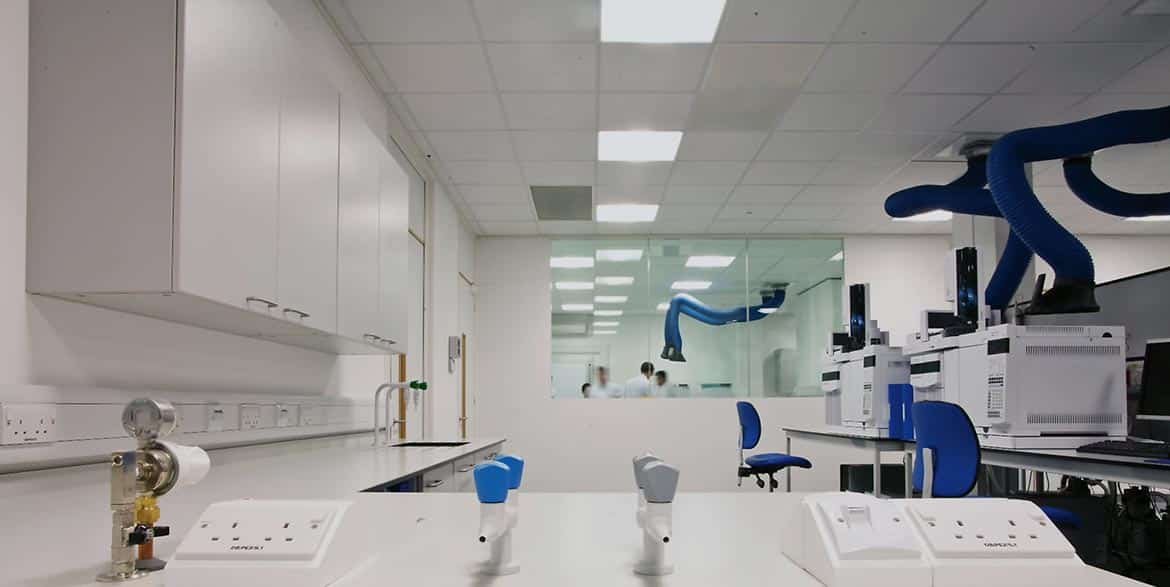
Clinical laboratories are the backbone of modern healthcare, delivering critical diagnostic insights that influence patient treatment and outcomes. Designing a clinical lab is not just about aesthetics—it’s about creating a highly efficient, safe, and precise environment that supports fast and reliable testing. In this blog, we explore the key elements of designing clinical laboratories that prioritize accuracy, safety, and speed.
1. Planning for Workflow Efficiency
A well-designed clinical laboratory begins with a clear understanding of workflow. Efficient layouts minimize unnecessary movement, reduce sample handling errors, and improve turnaround time.
Key considerations:
- Logical zoning: sample collection, processing, analysis, and reporting
- Smooth flow of personnel, samples, and equipment
- Separation of clean and contaminated areas
- Dedicated pathways for staff and materials
An optimized workflow ensures that tests are completed faster without compromising quality.
2. Ensuring Accuracy Through Design
Accuracy is critical in clinical labs, as even minor errors can impact patient care. Design plays a major role in maintaining precision.
Design strategies:
- Controlled environments for temperature, humidity, and air quality
- Vibration-free work surfaces for sensitive instruments
- Proper lighting to avoid visual errors
- Organized storage for reagents and samples
Integrating advanced diagnostic equipment with stable infrastructure ensures consistent and reliable results.
3. Prioritizing Safety and Compliance
Safety is a top priority in clinical laboratory design. Labs must adhere to strict regulatory standards to protect staff, patients, and the environment.
Essential safety features:
- Proper ventilation and HVAC systems
- Biosafety cabinets and fume hoods
- Clearly marked emergency exits and safety signage
- Fire safety systems and spill containment solutions
- Compliance with guidelines such as World Health Organization (WHO) and Centers for Disease Control and Prevention (CDC)
A safe lab environment reduces risks and ensures smooth operations.
4. Speed Through Smart Technology Integration
Modern clinical laboratories rely heavily on automation and digital systems to improve speed and efficiency.
Technology trends:
- Laboratory Information Management Systems (LIMS)
- Automated analyzers and robotics
- Barcode-based sample tracking
- Integration with hospital information systems
These technologies reduce manual intervention, minimize errors, and accelerate diagnostic processes.
5. Ergonomic and User-Centric Design
Lab professionals spend long hours working in demanding environments. Ergonomic design enhances productivity and reduces fatigue.
Key features:
- Adjustable workstations and seating
- Easy access to frequently used tools
- Proper spacing between equipment
- Noise reduction strategies
A comfortable workspace leads to better performance and fewer mistakes.
6. Flexibility and Future-Ready Design
Healthcare needs evolve rapidly, and clinical laboratories must adapt to new technologies and testing requirements.
Future-proofing strategies:
- Modular lab furniture and flexible layouts
- Scalable infrastructure for new equipment
- Adaptable utility systems (power, gas, data)
- Space for expansion and upgrades
Designing with flexibility ensures long-term usability and cost-effectiveness.
7. Sustainable Laboratory Design
Sustainability is becoming increasingly important in healthcare infrastructure.
Eco-friendly practices:
- Energy-efficient lighting and HVAC systems
- Water-saving fixtures
- Use of sustainable and low-emission materials
- Waste management and recycling systems
Green labs not only reduce environmental impact but also lower operational costs.
Conclusion
Designing clinical laboratories for accuracy, safety, and speed requires a thoughtful balance of functionality, technology, and compliance. By focusing on efficient workflows, precise environments, robust safety measures, and future-ready solutions, healthcare facilities can create laboratories that deliver reliable results quickly and safely.