Blog
Laboratory HVAC Design: Creating the Right Environment for Research

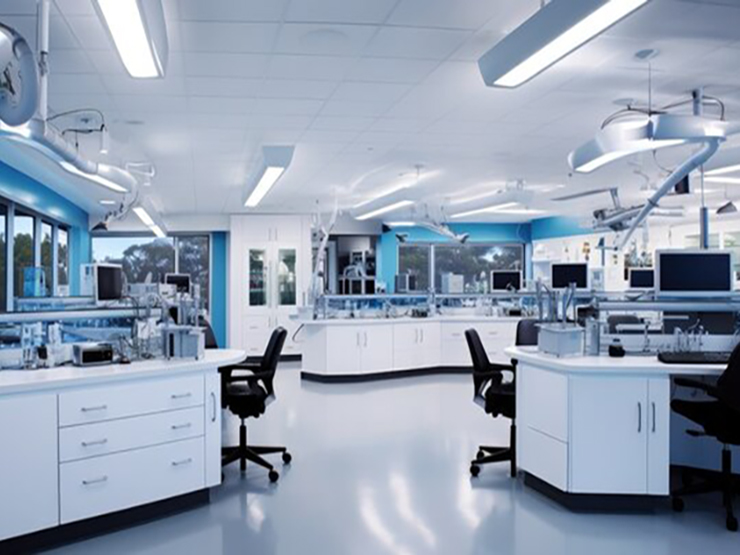
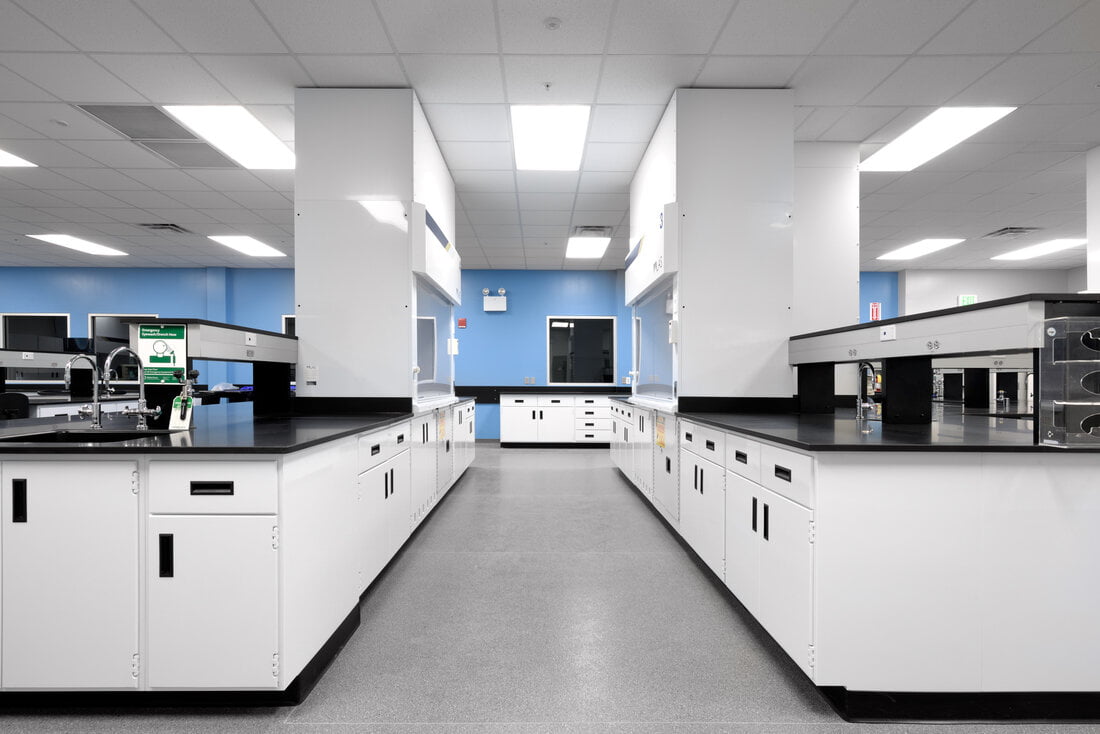
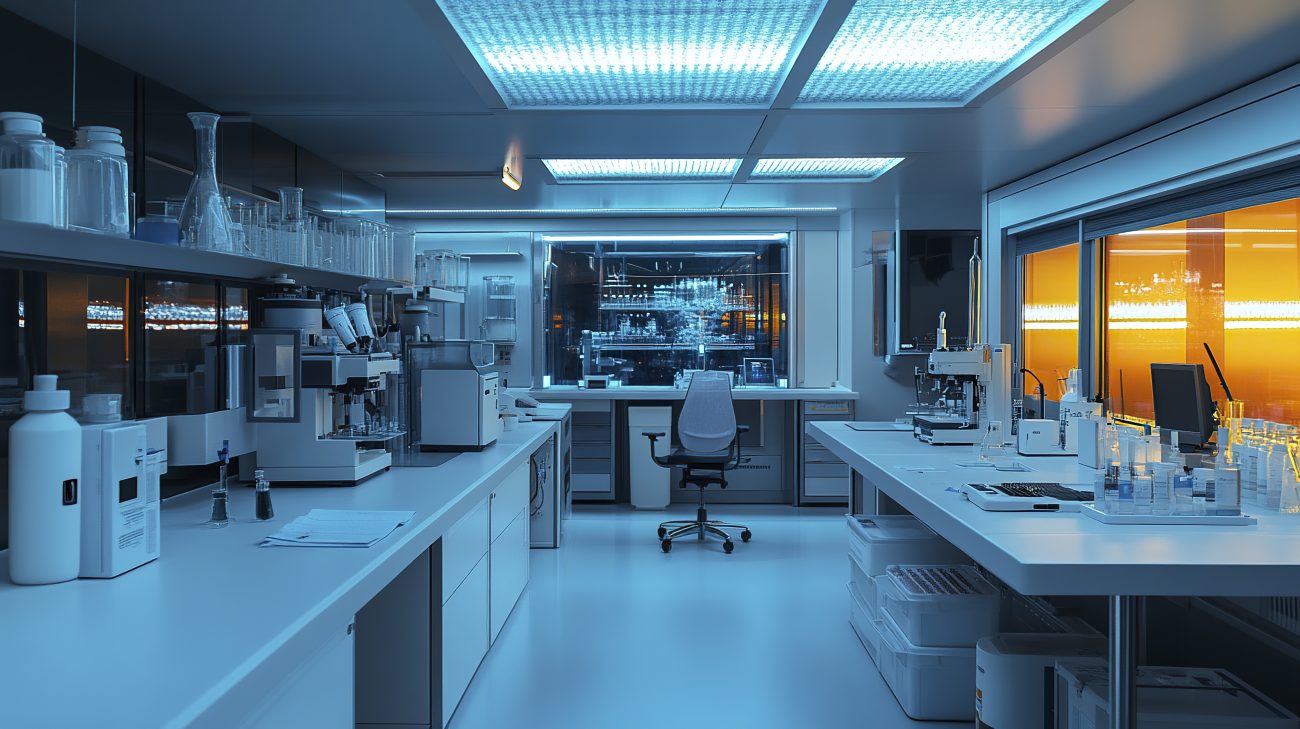
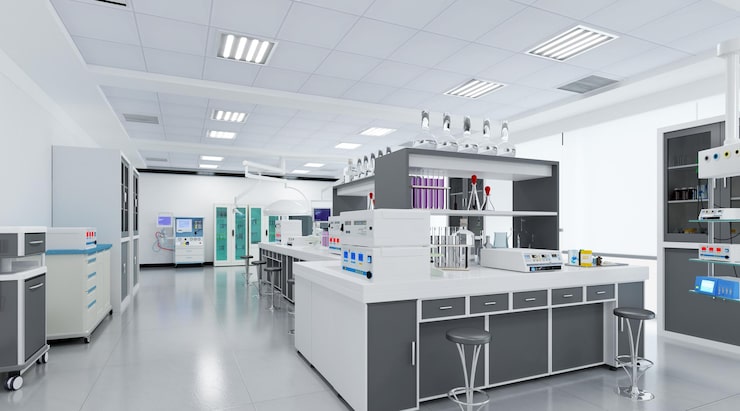
A well-designed laboratory requires more than advanced equipment, quality furniture and efficient workspace planning. Maintaining the right indoor environment is equally important for ensuring safety, accuracy, productivity and reliable research outcomes. This is where Laboratory HVAC (Heating, Ventilation and Air Conditioning) Design plays a crucial role.
Laboratories often handle chemicals, biological materials, sensitive instruments and specialized research processes. Therefore, maintaining proper temperature, humidity, air quality, ventilation and pressure conditions is essential. A professionally designed HVAC system helps create a controlled laboratory environment that supports smooth operations and protects both personnel and research activities.
1. Why Is HVAC Design Important in Laboratories?
Unlike conventional commercial buildings, laboratories have specific environmental requirements depending on their functions and activities.
An effective laboratory HVAC system helps to:
- Maintain consistent temperature and humidity levels.
- Ensure proper air circulation and ventilation.
- Control airborne contaminants and chemical fumes.
- Maintain required room pressure conditions.
- Support personnel safety and comfort.
- Protect sensitive laboratory equipment and experiments.
- Maintain suitable environmental conditions for research activities.
Proper HVAC planning is particularly important for pharmaceutical laboratories, biotechnology facilities, chemical laboratories, microbiology labs and research and development centres.
2. Key Components of Laboratory HVAC Systems
A laboratory HVAC system consists of several components that work together to maintain the required environmental conditions.
Temperature and Humidity Control
Different laboratory activities require specific temperature and humidity conditions. HVAC systems should be designed according to the laboratory’s functional requirements, equipment loads and process specifications.
Maintaining stable conditions helps protect sensitive instruments, materials and research samples.
Air Filtration and Air Quality
Air filtration is essential for controlling airborne particles and maintaining suitable indoor air quality.
Depending on the application, laboratories may require different filtration solutions, including HEPA filtration for applications requiring high-efficiency particulate control.
Fresh Air Supply and Exhaust Systems
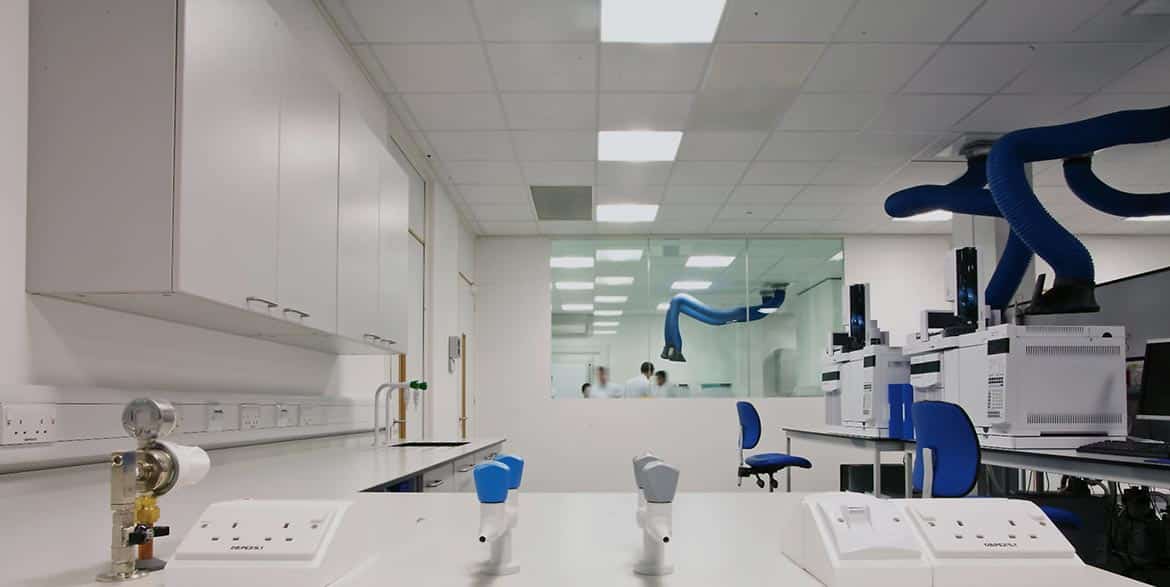
Laboratories require carefully planned fresh air supply and exhaust arrangements to maintain indoor air quality and remove unwanted fumes, heat and contaminants.
Specialized exhaust systems may be required for chemical laboratories, fume hoods and other hazardous processes.
Air Pressure Control
Pressure control is an important consideration in laboratory HVAC design.
- Positive pressure: Helps prevent unwanted external air from entering controlled spaces.
- Negative pressure: Helps contain airborne contaminants within designated areas.
The appropriate pressure arrangement depends on the laboratory’s activities, contamination risks and safety requirements.
3. HVAC Design Requirements for Different Types of Laboratories
Every laboratory has unique operational requirements. HVAC design should therefore be customized according to its intended use.
Pharmaceutical Laboratories
Pharmaceutical laboratories require carefully controlled environmental conditions to support testing, quality control and research activities.
Microbiology Laboratories
Microbiology laboratories may require specialized ventilation, filtration and pressure arrangements depending on the biological materials and risk classification.
Chemical Laboratories
Chemical laboratories require appropriate exhaust ventilation and fume extraction systems to manage chemical vapours and hazardous fumes.
Research and Development Laboratories
R&D laboratories often require flexible HVAC arrangements to accommodate different experiments, equipment and changing research requirements.
Cleanrooms and Controlled Environments
Cleanrooms require specialized air filtration, pressure control, temperature and humidity management according to the required cleanliness classification and applicable standards.
4. Important Factors to Consider During Laboratory HVAC Planning
Planning an effective laboratory HVAC system requires coordination between architectural design, laboratory furniture, electrical services, plumbing and mechanical systems.
Important considerations include:
- Laboratory Layout: HVAC design should align with the laboratory’s workflow, functional zones and equipment placement.
- Equipment Heat Loads: Laboratory instruments and machinery may generate additional heat that must be considered during HVAC capacity planning.
- Ventilation Requirements: Fresh air supply and exhaust capacity should be determined based on laboratory activities and applicable safety requirements.
- Energy Efficiency: Proper system selection and controls can help optimize energy consumption without compromising environmental requirements.
- Maintenance Accessibility: HVAC equipment, filters, ducts and service areas should be planned for convenient inspection and maintenance.
- Future Expansion: Flexible planning helps laboratories accommodate future equipment installations and operational changes.
5. Common Laboratory HVAC Design Mistakes to Avoid
Poor HVAC planning can affect laboratory operations, employee safety and environmental performance.
Some common mistakes include:
- Using conventional commercial HVAC systems without considering laboratory requirements.
- Inadequate fresh air supply and exhaust ventilation.
- Incorrect room pressure arrangements.
- Ignoring equipment heat loads.
- Poor coordination between HVAC ducts and laboratory furniture.
- Insufficient planning for fume hoods and specialized exhaust systems.
- Neglecting filter replacement and maintenance access.
Working with an experienced laboratory design and fit out company helps minimize these issues through proper planning and coordination.
6. The Role of HVAC in Turnkey Laboratory Fit Out Projects
HVAC is one of the most important components of a turnkey laboratory project. It must be integrated with the complete laboratory infrastructure rather than treated as an independent installation.
A coordinated turnkey approach includes:
- Laboratory space planning and layout design.
- HVAC system planning and installation.
- Electrical and mechanical services.
- Laboratory furniture and storage solutions.
- Plumbing and utility services.
- Cleanroom and controlled-environment solutions, where required.
- Testing, commissioning and project handover.
Integrating these services during the initial design stage helps reduce coordination issues, improve functionality and support efficient project execution.
7. Why Choose CRL Interior for Laboratory Fit Out Solutions?
CRL Interior & Fit Out Pvt. Ltd. provides integrated interior and turnkey fit out solutions for specialized commercial and laboratory environments.
With a focus on functional planning, coordinated services and quality execution, CRL supports laboratory projects through a comprehensive approach that considers space planning, laboratory furniture, HVAC coordination, MEP services and specialized infrastructure.
Whether it is a pharmaceutical laboratory, research and development facility, quality control laboratory or biotechnology workspace, proper planning and coordination are essential to creating an efficient laboratory environment.
Conclusion
Laboratory HVAC design is a critical part of creating safe, efficient and controlled research environments. From temperature and humidity management to ventilation, filtration and pressure control, every component must be planned according to the laboratory’s specific requirements.
Choosing an experienced laboratory design and fit out partner helps ensure that HVAC systems are properly integrated with the overall laboratory infrastructure.
CRL Interior & Fit Out Pvt. Ltd. focuses on delivering coordinated laboratory interior and turnkey fit out solutions designed to support modern research, pharmaceutical and biotechnology facilities.