Blog
Key Considerations for Designing a Quality Control Laboratory

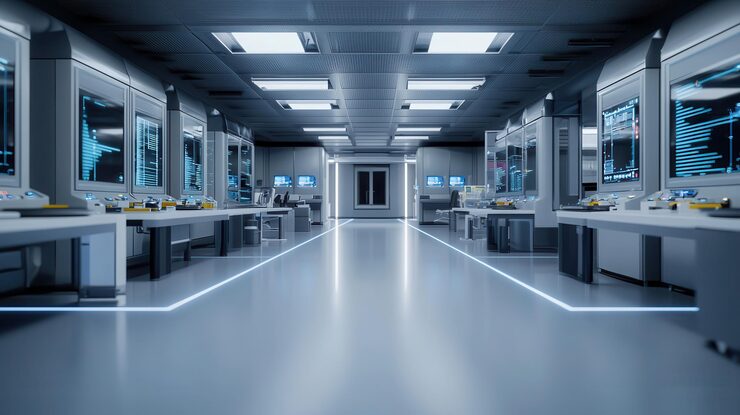
A well-designed Quality Control (QC) laboratory plays a vital role in maintaining product quality, ensuring regulatory compliance and supporting accurate testing across pharmaceutical, biotechnology, chemical and manufacturing industries. From sample preparation and analytical testing to documentation and storage, every aspect of a QC laboratory must be carefully planned to ensure smooth operations, safety and efficiency.
With increasing quality standards and evolving testing requirements, businesses need laboratories that combine functional layouts, advanced infrastructure, appropriate environmental controls and reliable laboratory furniture.
In this blog, we explore the key considerations for designing an efficient and future-ready Quality Control laboratory.
1. Efficient Laboratory Space Planning
Space planning is one of the most important aspects of QC laboratory design. A well-organized layout ensures smooth movement of personnel, samples, equipment and materials.
Important areas to consider include:
- Sample receiving and registration area
- Sample preparation area
- Chemical testing and analytical testing sections
- Instrumentation and testing rooms
- Microbiology testing area, where applicable
- Chemical and reagent storage
- Documentation and reporting area
- Washing and utility areas
Separating different laboratory activities helps minimize cross-contamination risks and improves operational efficiency.
2. Compliance with Industry Standards and Regulations
Quality Control laboratories must be designed to support applicable regulatory and quality requirements. Depending on the industry and testing activities, these may include:
- Good Manufacturing Practices (GMP)
- Good Laboratory Practices (GLP)
- Applicable WHO guidelines
- ISO/IEC 17025 requirements for testing and calibration laboratories
- Relevant national regulatory requirements
The laboratory layout, material selection, environmental controls, equipment placement and documentation facilities should support the intended compliance requirements.
3. Proper HVAC and Ventilation Systems
A reliable Heating, Ventilation and Air Conditioning (HVAC) system is essential for maintaining suitable environmental conditions inside a QC laboratory.
An appropriately designed HVAC system helps with:
- Maintaining required temperature and humidity conditions
- Providing suitable air circulation and ventilation
- Managing heat generated by laboratory equipment
- Supporting pressure relationships between designated spaces
- Controlling airborne contaminants where required
HVAC requirements should be determined according to the specific testing activities, equipment and risk assessment of each laboratory area.
4. Selection of Appropriate Laboratory Furniture
Laboratory furniture should be durable, functional, chemical-resistant where required and suitable for daily laboratory operations.
Important furniture and fixtures include:
- Chemical-resistant laboratory workbenches
- Laboratory storage cabinets
- Instrumentation tables
- Wall-mounted cabinets and shelving
- Sink units and washing stations
- Fume cupboards and laboratory safety fixtures, where required
Selecting the right furniture improves workflow, supports safe working practices and helps maintain a well-organized laboratory environment.
5. Electrical and Utility Infrastructure
Modern QC laboratories depend on specialized instruments and equipment that require reliable electrical and utility infrastructure.
Key requirements include:
- Adequate electrical outlets and dedicated circuits
- Proper earthing and electrical protection
- Backup power supply for critical equipment
- Data and network connectivity
- Water supply and drainage
- Compressed air and specialty gases, where required
Planning these services during the design stage helps avoid operational disruptions and costly modifications later.
6. Laboratory Safety and Chemical Storage
Safety should be a priority throughout the QC laboratory design process. Laboratories often handle chemicals, reagents, solvents and testing materials that require appropriate storage and handling arrangements.
Important safety considerations include:
- Dedicated chemical storage cabinets
- Proper segregation of incompatible chemicals
- Emergency showers and eyewash stations, where required
- Fire detection and firefighting provisions
- Suitable fume extraction systems
- Clearly identified emergency exits and safety signage
- Safe handling and waste disposal arrangements
A well-planned safety infrastructure helps protect laboratory personnel and supports safe day-to-day operations.
7. Workflow Optimization and Contamination Control
An efficient QC laboratory should support a logical workflow from sample receipt to testing, analysis and reporting.
Separate areas should be planned for activities that require different environmental conditions or contamination controls. Particular attention should be given to sample movement, personnel circulation, material transfer and waste handling.
For microbiology and other contamination-sensitive testing, dedicated areas and appropriate controls may be necessary based on the laboratory’s scope of work.
8. Future Expansion and Flexibility
QC laboratories may require additional equipment, testing facilities or operational capacity as business requirements evolve.
Designing flexible laboratory spaces can help accommodate future changes without major structural modifications.
Consider:
- Modular laboratory furniture
- Provision for additional electrical and utility connections
- Flexible equipment layouts
- Space for future instruments
- Adaptable storage solutions
- Scalable HVAC and service infrastructure
Future-ready planning can reduce renovation costs and improve the long-term value of the facility.
9. Choosing the Right Laboratory Design and Build Partner
Selecting an experienced laboratory design and build partner is essential for successfully executing a QC laboratory project.
A professional turnkey laboratory solutions provider can coordinate multiple project requirements, including:
- Laboratory space planning and conceptual design
- Architectural and interior design
- HVAC and MEP coordination
- Laboratory furniture and equipment integration
- Cleanroom and controlled-environment solutions, where required
- Project execution and installation
- Testing and commissioning of relevant building systems
Working with an integrated project team helps ensure that design, infrastructure and execution requirements are properly coordinated.
Conclusion
Designing an efficient Quality Control laboratory requires careful consideration of space planning, regulatory requirements, HVAC systems, laboratory furniture, safety infrastructure and future expansion needs.
A well-planned QC laboratory supports accurate testing, efficient workflows, safe working conditions and consistent quality operations. Investing in the right laboratory design and build solutions from the beginning can help organizations create reliable and future-ready testing facilities.