Blog
How to Choose the Perfect Wall Colors for Your Living Room Interiors

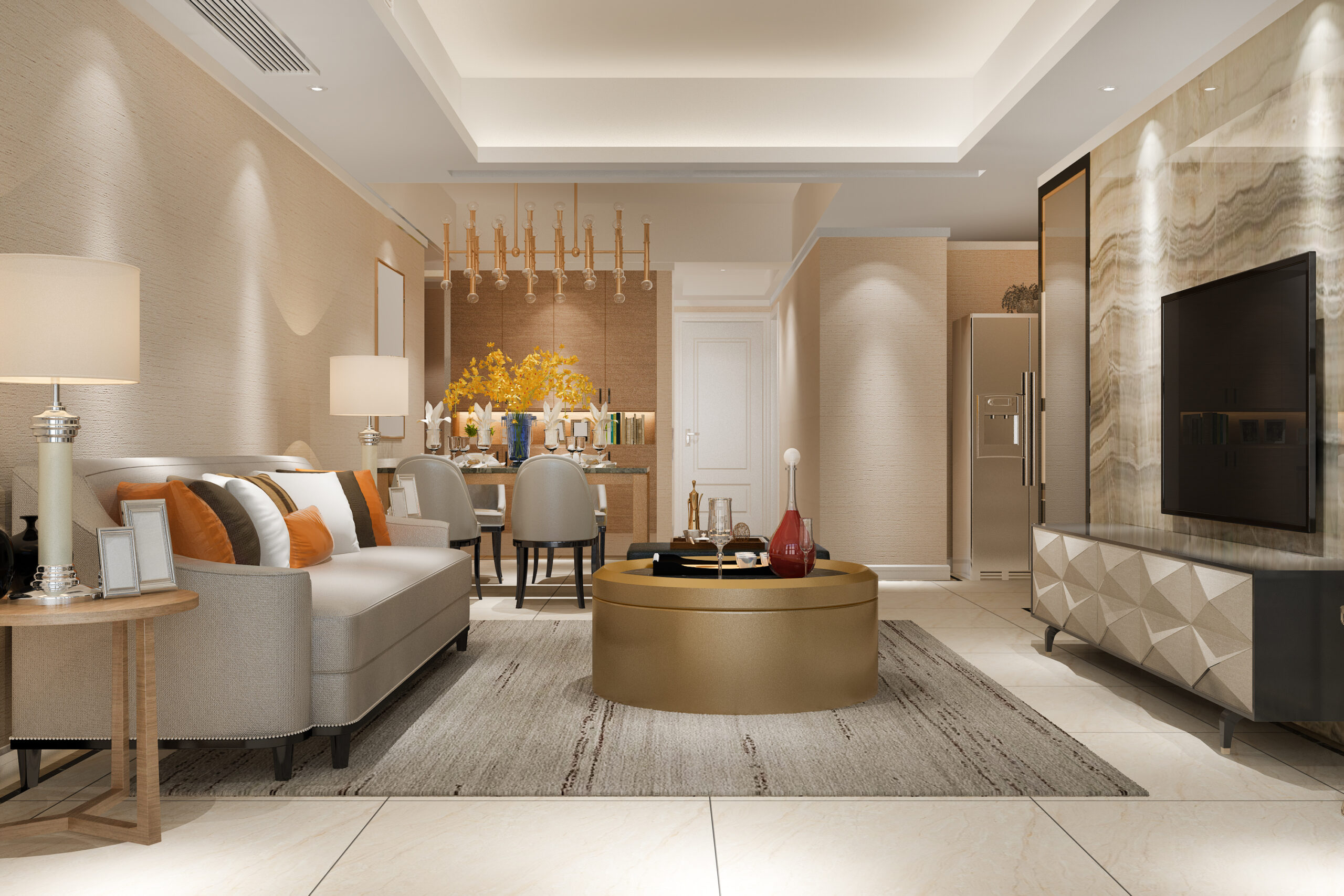
Your living room is the heart of your home—a place where style meets comfort and first impressions are made. Choosing the perfect wall color can completely transform this space, setting the mood and enhancing the overall interior design. Whether you prefer bold statements or subtle elegance, the right color choice makes all the difference.
1. Understand the Mood You Want to Create
Before selecting a color, think about the atmosphere you want in your living room:
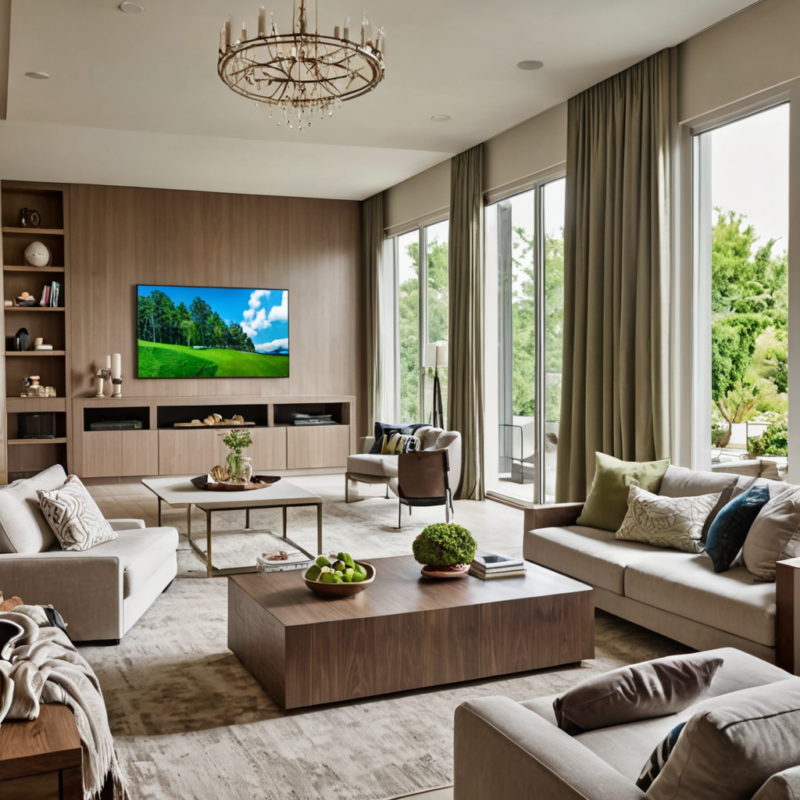
- Calm & Relaxing: Soft neutrals, pastels, and cool tones like light blue or sage green
- Warm & Inviting: Earthy tones such as beige, terracotta, and warm browns
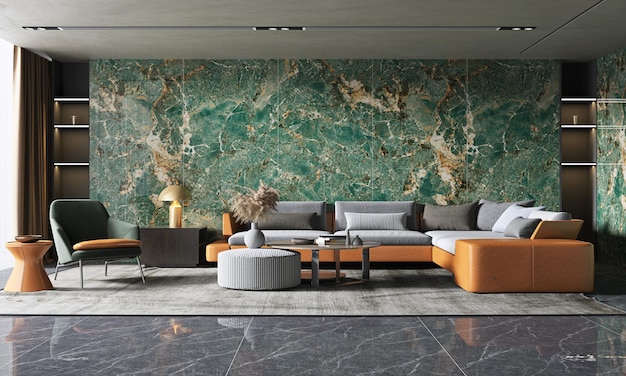
- Bold & Energetic: Deep shades like navy blue, emerald green, or charcoal
Your color choice should reflect your personality and how you use the space.
2. Consider Natural and Artificial Lighting
Lighting plays a crucial role in how colors appear:
- Rooms with ample natural light can handle darker shades
- Spaces with limited light benefit from lighter tones to make them feel open and airy
- Test colors at different times of the day to see how they change under lighting conditions
3. Match with Furniture and Décor
Your wall color should complement your existing furniture, flooring, and décor elements:
- If you have bold furniture, go for neutral walls
- If your décor is minimal, you can experiment with vibrant wall colors
- Keep a cohesive palette to maintain visual harmony
4. Use Accent Walls for Impact
If you’re hesitant to go bold, create an accent wall:
- Highlight a feature wall with a contrasting color or texture
- Use wallpaper, textures, or geometric patterns for added interest
- Accent walls add depth without overwhelming the space
5. Choose the Right Color Combinations
Some timeless combinations include:
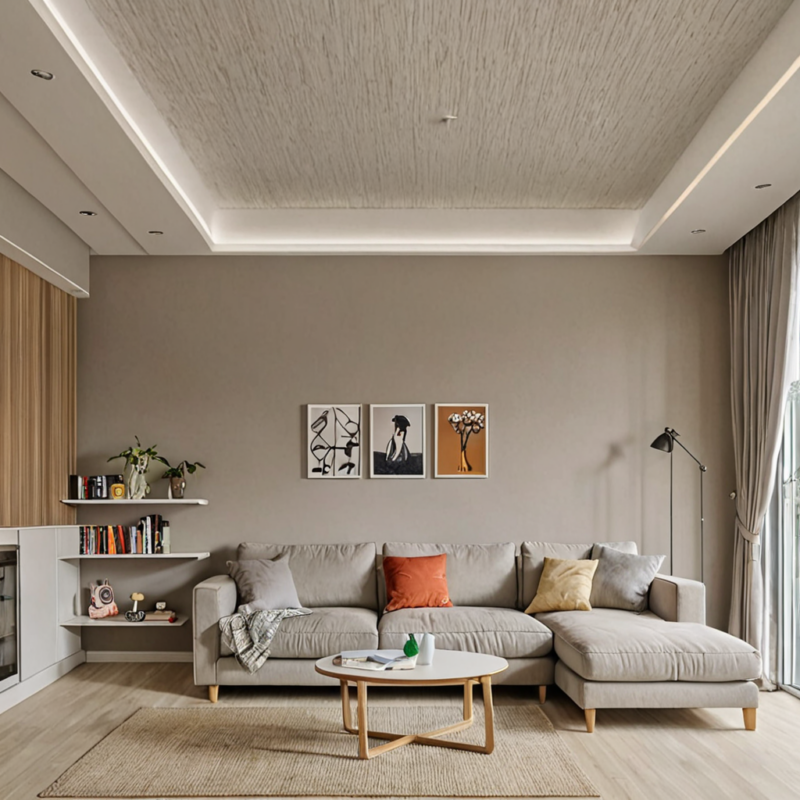
- White & Grey for a modern look
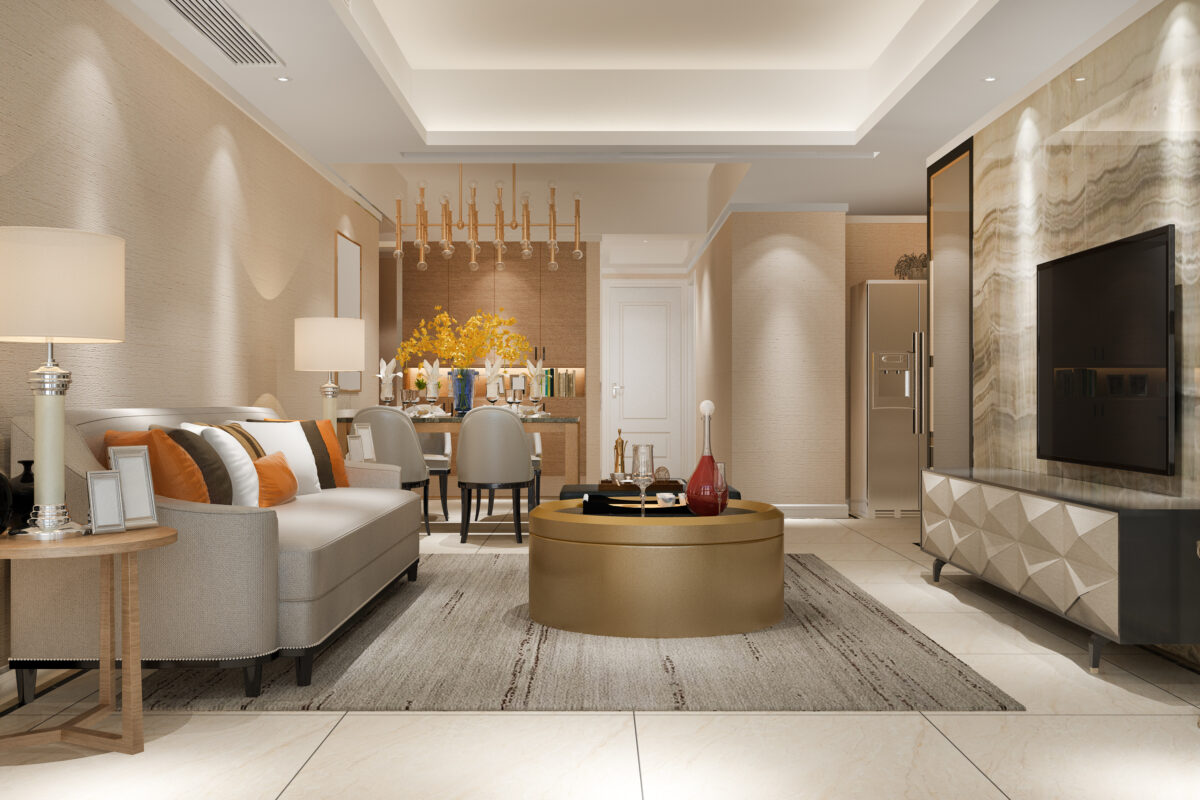
- Beige & Brown for a cozy feel
- Blue & White for a fresh and airy vibe
- Green & Gold accents for a luxurious touch
Stick to 2–3 complementary colors to avoid cluttered visuals.
6. Think About Room Size and Space
Color can visually alter the perception of space:
- Light colors make small rooms feel larger
- Dark colors add depth and sophistication to larger spaces
- Vertical color patterns can make ceilings appear higher
7. Test Before You Finalize
Never skip the testing phase:
- Use sample paints on your walls
- Observe how the color looks in different lighting conditions
- Compare multiple shades before making the final decision
8. Stay Updated with Trends (But Keep It Timeless)
While trends can inspire you, it’s best to choose colors that will remain appealing over time:
- Trending shades include muted greens, warm neutrals, and soft greys
- Avoid overly trendy colors if you don’t plan to repaint frequently
9. Consider Finish and Texture
The finish of your paint also impacts the final look:
- Matte finish: Elegant and hides imperfections
- Satin or eggshell: Easy to clean and slightly reflective
- Glossy finish: Best for highlights and trims
10. Reflect Your Personal Style
Ultimately, your living room should feel like you. Whether it’s minimalist, contemporary, or classic, let your wall colors express your taste and lifestyle.
Final Thoughts
Choosing the perfect wall color for your living room is a blend of creativity and practicality. By considering lighting, furniture, room size, and personal style, you can create a space that is both visually stunning and comfortable. Take your time, experiment with shades, and don’t be afraid to add a touch of personality—because the perfect color is the one that makes you feel at home.