
Blog
How Synthesis Labs Are Powering the Future of Healthcare Innovation

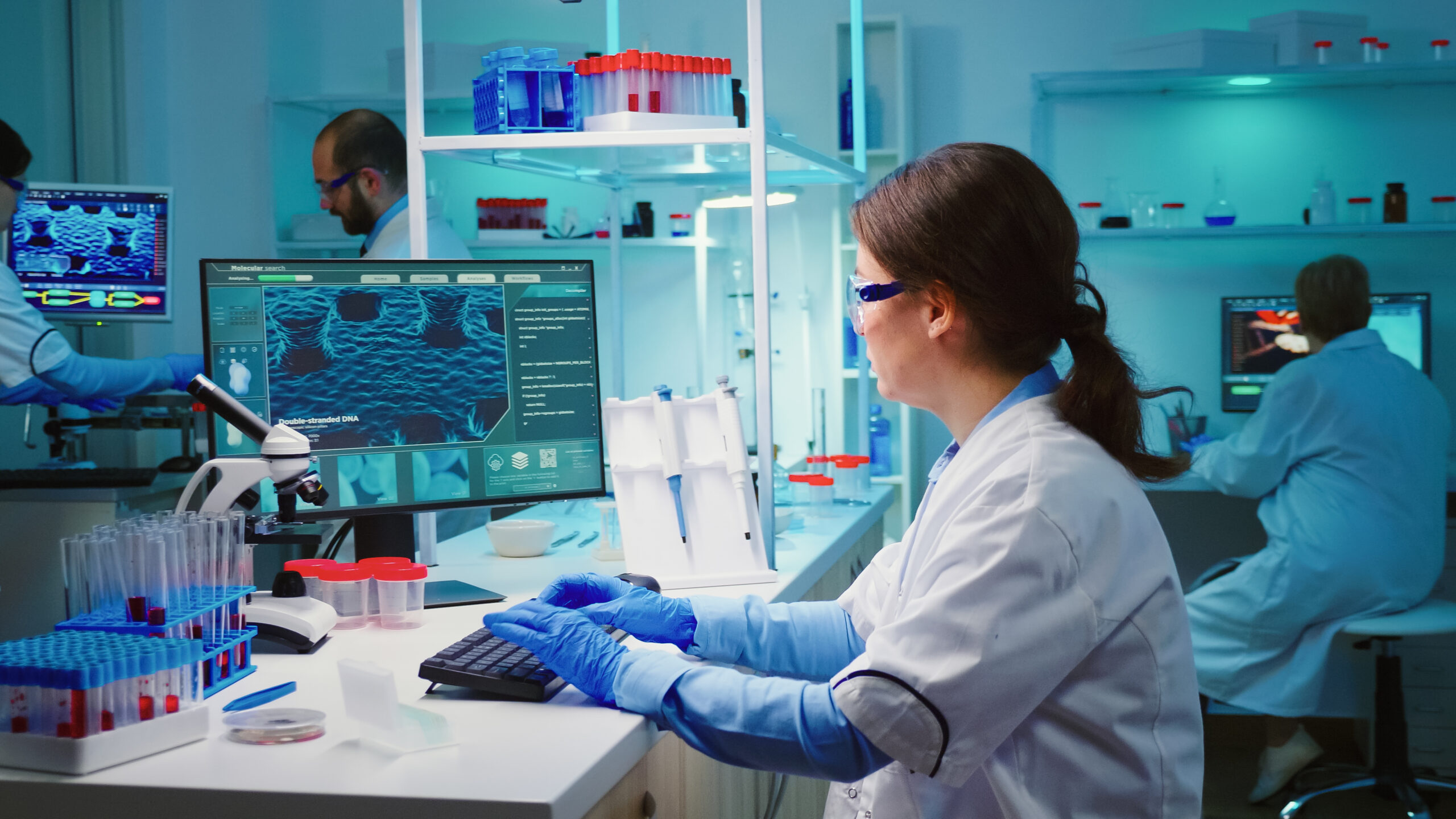
In today’s rapidly evolving healthcare landscape, innovation isn’t just a buzzword — it’s a necessity. From personalized medicine to advanced drug discovery, healthcare organizations are constantly seeking ways to solve complex medical challenges faster and more effectively. At the heart of this transformation are Synthesis Labs — cutting-edge hubs where science, technology, and medicine converge to change the future of patient care.
What Are Synthesis Labs?
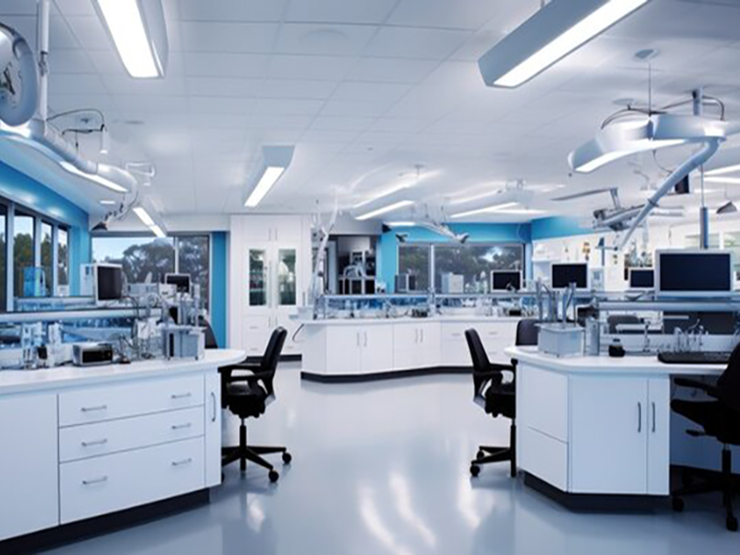
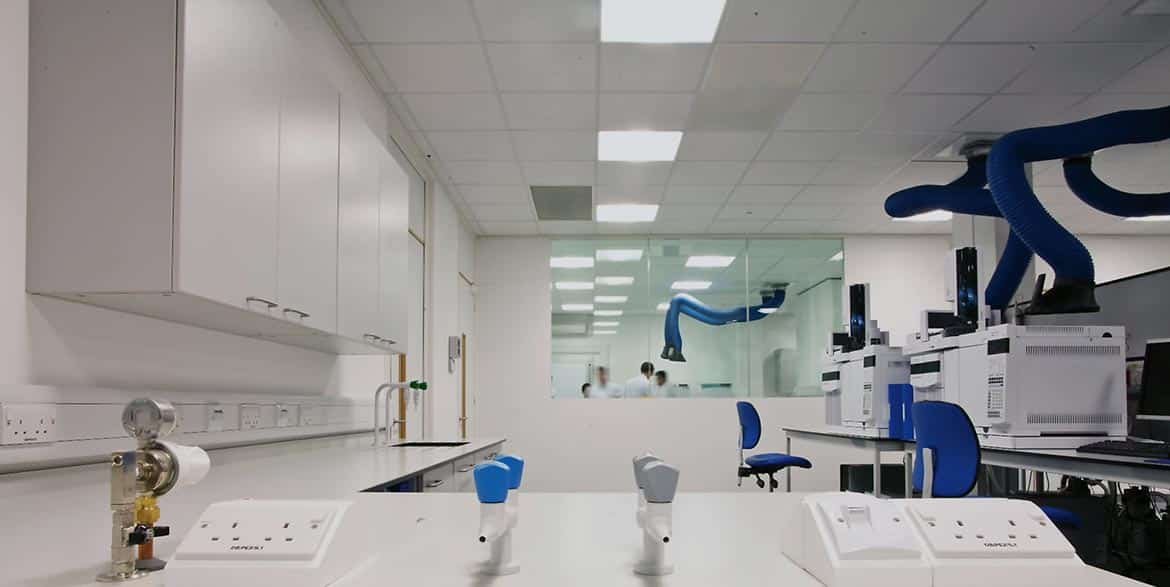
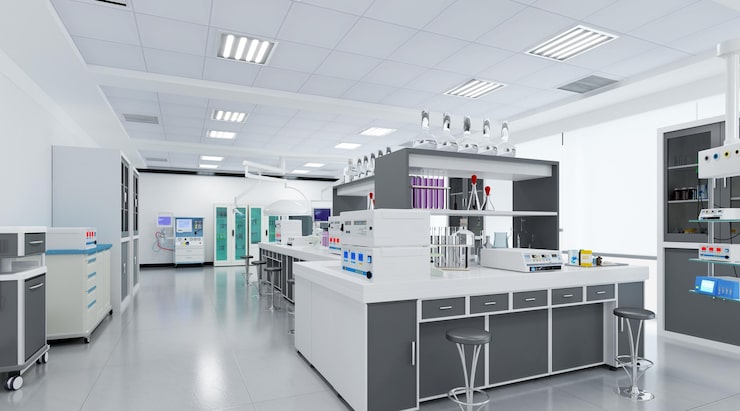
Synthesis Labs are advanced research environments designed to integrate interdisciplinary expertise, cutting-edge technology, and data-driven workflows. Unlike traditional laboratories focused on isolated research projects, synthesis labs emphasize collaboration, scalability, and real-world impact.
These labs often bring together:
· Biomedical scientists
· Software engineers
· Data scientists
· Medical practitioners
· Regulatory experts
…all working together to solve today’s toughest health problems.
Why Synthesis Labs Matter in Healthcare
Healthcare is inherently complex — patients are unique, diseases evolve, and treatments can be unpredictable. Synthesis Labs help navigate this complexity by accelerating research and innovation in several key areas:
1. Rapid Drug Discovery
Traditional drug discovery can take years — even decades. Synthesis Labs use advanced computational models, high-throughput screening, and artificial intelligence (AI) to accelerate this process, enabling researchers to identify promising drug candidates much faster.
2. Personalized Medicine
No two patients are exactly alike. Synthesis Labs leverage genomic data and machine learning to tailor treatments based on patient-specific characteristics, increasing effectiveness and reducing side effects.
Transformative Technologies Driving Progress
At the core of Synthesis Labs are emerging technologies that are reshaping how healthcare research is conducted:
🔬 Artificial Intelligence and Machine Learning
AI models analyze massive datasets to identify patterns and make predictions that would be impossible for humans to detect alone.
🧬 Genomic Sequencing
High-throughput sequencing helps researchers understand the genetic basis of disease — fueling targeted therapies and early diagnostics.
📊 Big Data & Predictive Analytics
Integrating patient data from clinical records, wearable devices, and research studies enables deeper insights into disease progression, treatment response, and population health trends.
Real-World Impact: From Lab to Patient Care
The innovations emerging from synthesis labs aren’t staying in the lab — they’re making a tangible difference for patients:
💊 Faster Treatments
New drug candidates are moving into clinical trials more quickly, offering hope for conditions once considered untreatable.
🧪 Advanced Diagnostics
Early detection tools powered by AI are identifying diseases sooner than ever, improving patient outcomes and survival rates.
👩⚕️ Better Patient Experiences
Through personalized treatment plans and predictive monitoring, patients receive care tailored to their unique needs.
Challenges and Ethical Considerations
Despite their promise, synthesis labs must navigate important challenges:
· Data privacy and security
· Regulatory compliance
· Ethical use of AI and genetic data
· Equitable access to innovations
Addressing these concerns responsibly will be crucial to ensuring that healthcare innovations benefit everyone.
Conclusion: A Healthier Tomorrow through Innovation
Synthesis Labs are more than just high-tech research spaces — they are engines of transformation. By combining interdisciplinary talent, state-of-the-art technology, and data-driven insight, these labs are helping to unlock solutions that were once out of reach.
As healthcare continues to evolve, synthesis labs will play an increasingly vital role in delivering smarter, faster, and more personalized care — powering a healthier future for all.