Blog
Residential Interior Design: A Smart Investment for Your Home

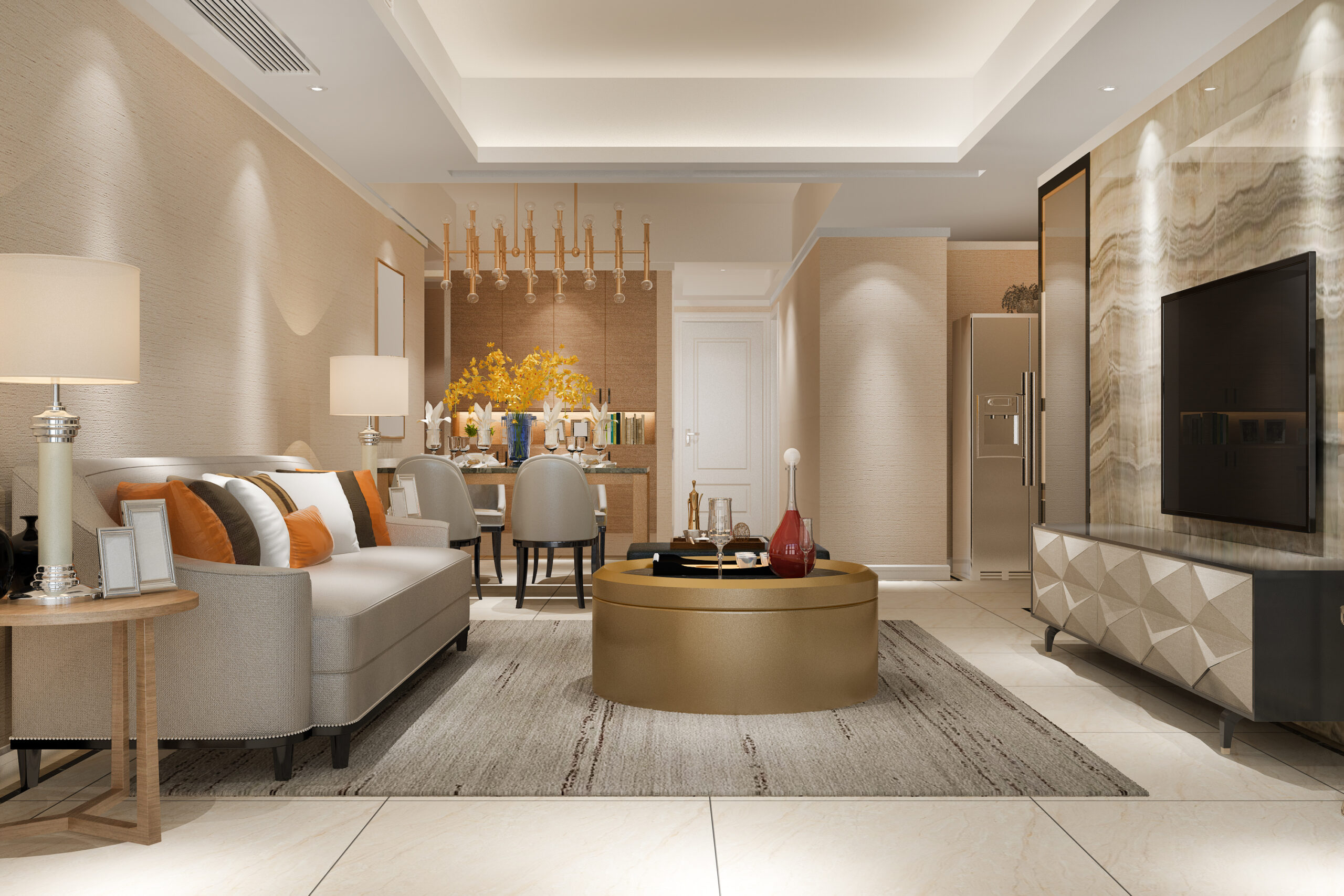
In today’s fast-paced world, a home is more than just a place to live—it’s a reflection of your personality, lifestyle, and aspirations. Residential interior design plays a crucial role in transforming ordinary spaces into functional, beautiful, and comfortable environments. Far from being a luxury, investing in professional interior design is a smart decision that adds long-term value to your home.
Enhancing Functionality and Space Utilization
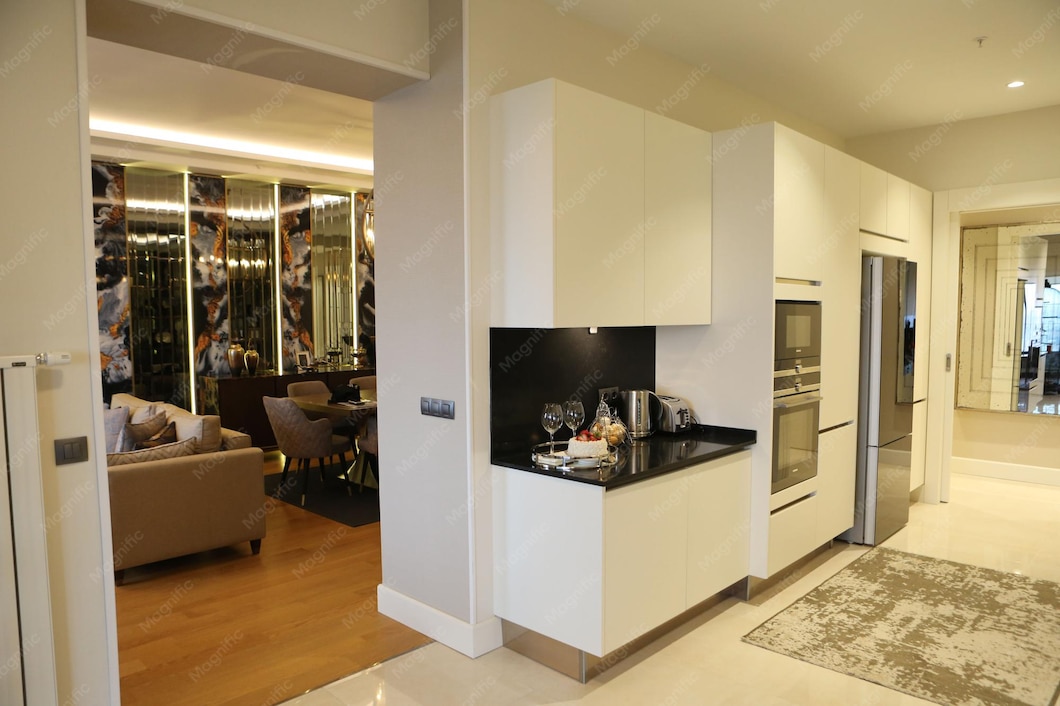
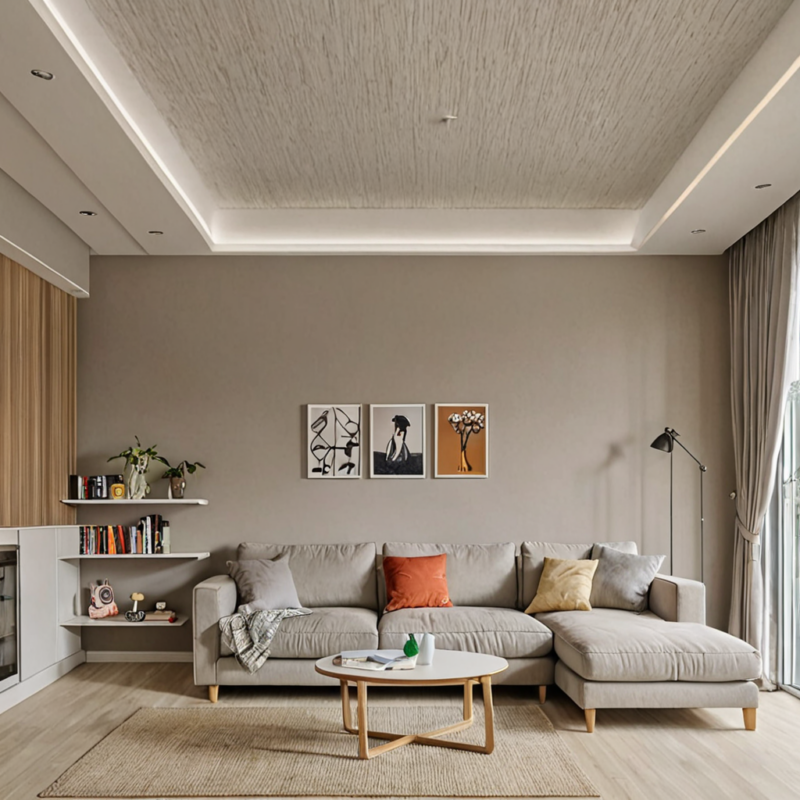
One of the biggest advantages of residential interior design is efficient space planning. Whether you live in a compact apartment or a spacious villa, a well-designed layout ensures that every inch of space is utilized effectively. Interior designers analyze your lifestyle needs and create customized solutions that improve flow, storage, and usability—making your home more practical and organized.
Improving Aesthetic Appeal
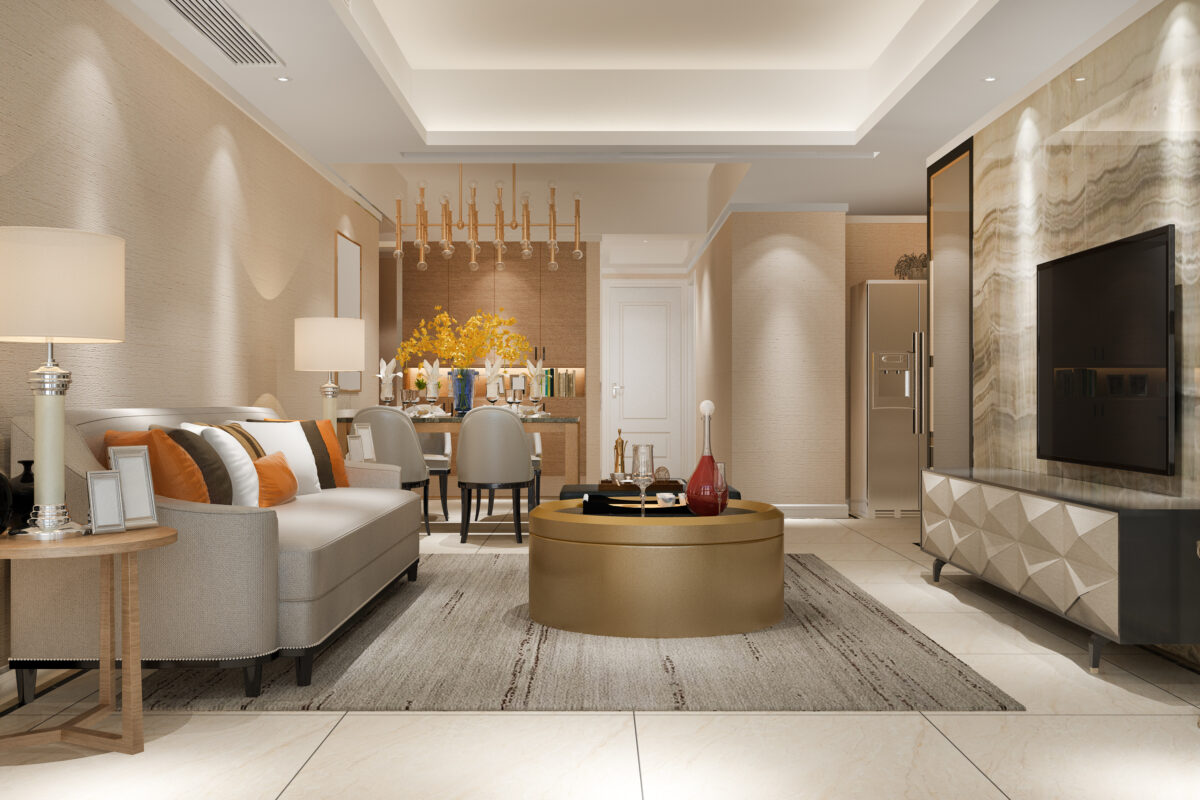
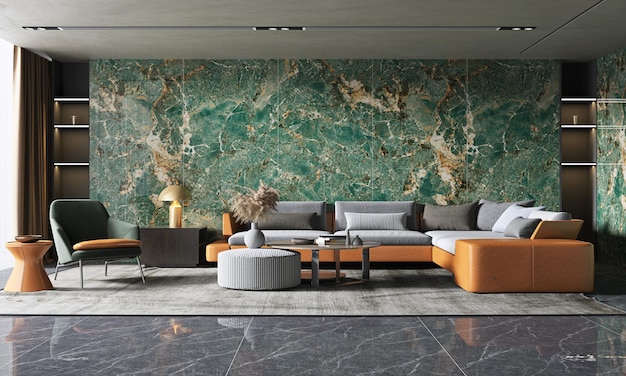
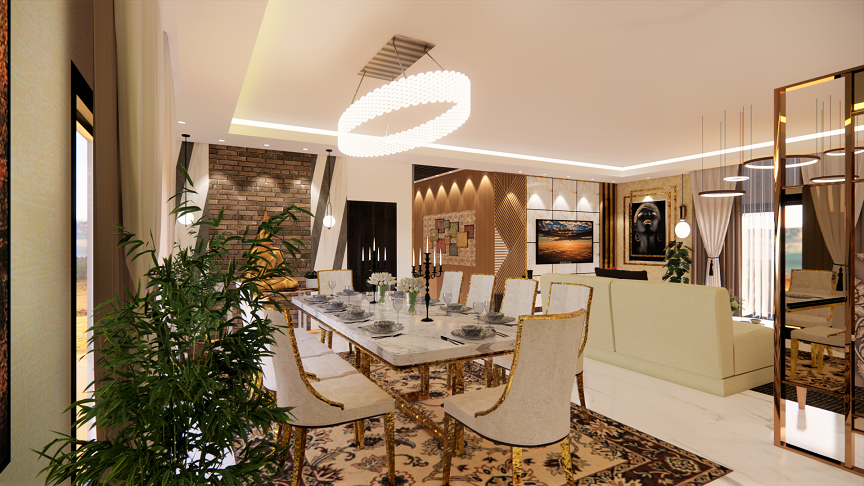
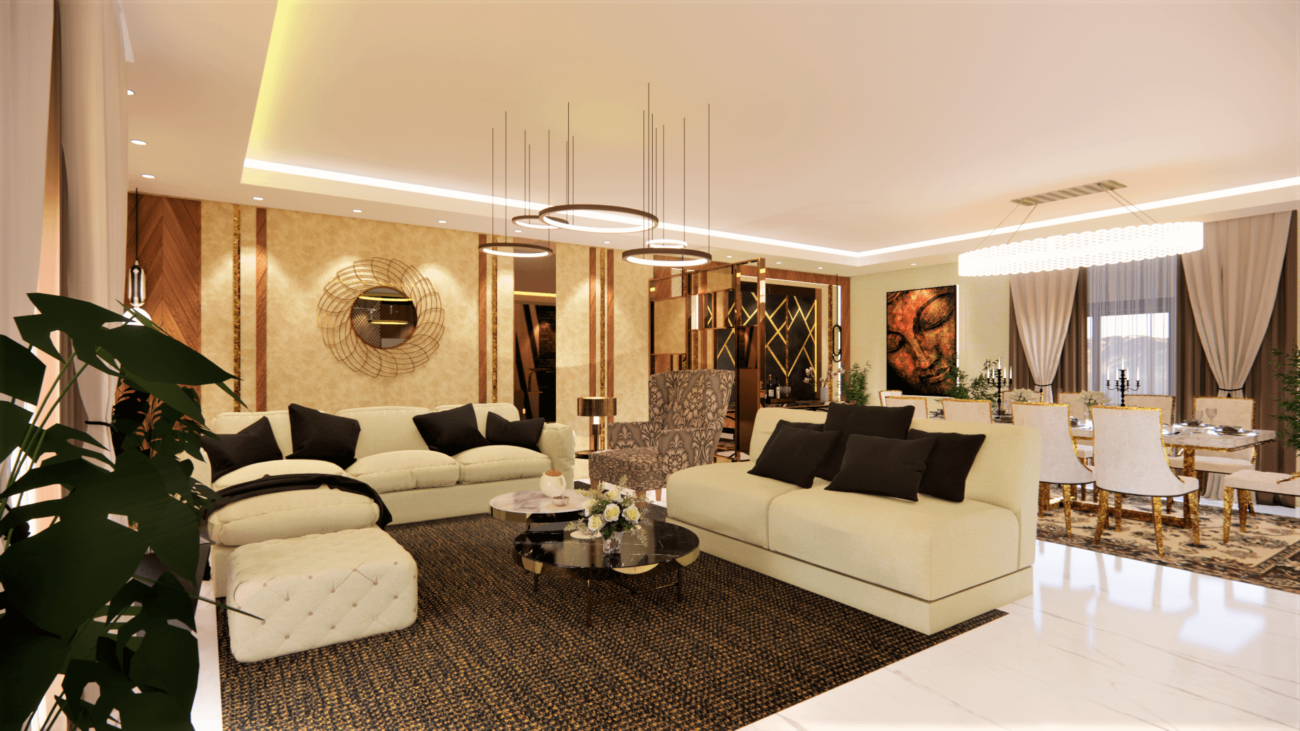
A professionally designed home instantly elevates its visual appeal. From selecting the right color palette and materials to choosing furniture, lighting, and décor, interior designers create a cohesive look that reflects your taste. A well-designed home not only feels inviting but also leaves a lasting impression on guests.
Increasing Property Value
Interior design is a powerful tool when it comes to increasing the market value of your property. Homes with modern, well-planned interiors tend to attract more buyers and command higher prices. Whether you plan to sell your home in the future or simply want to enhance its worth, investing in quality interiors offers excellent returns.
Cost-Effective in the Long Run
While some may see interior design as an added expense, it actually helps save money over time. Designers help you avoid costly mistakes by selecting the right materials, furniture, and finishes from the start. They also ensure durability and quality, reducing the need for frequent repairs or replacements.
Personalization and Comfort
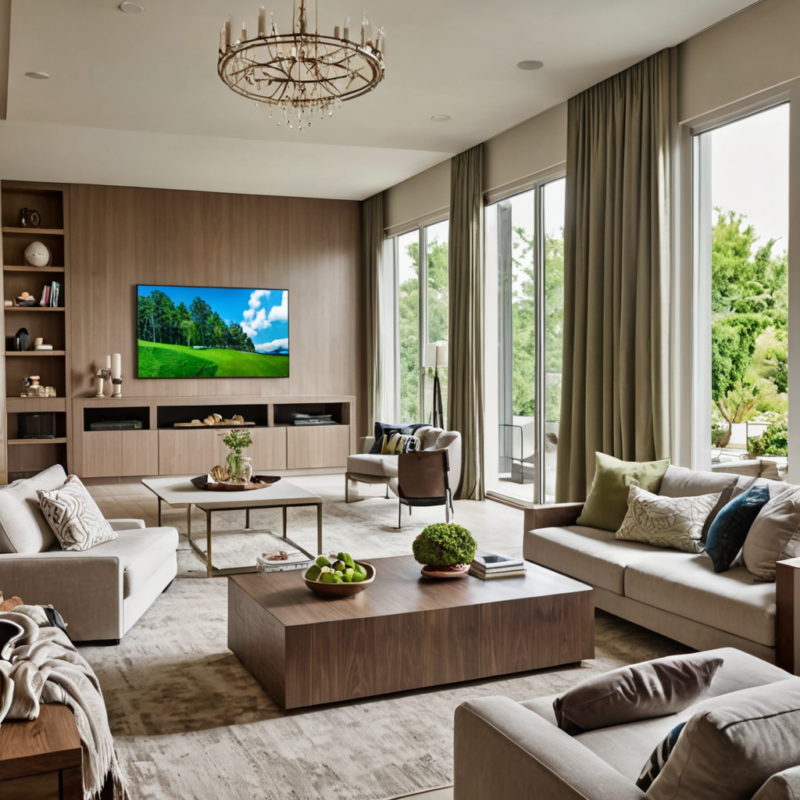
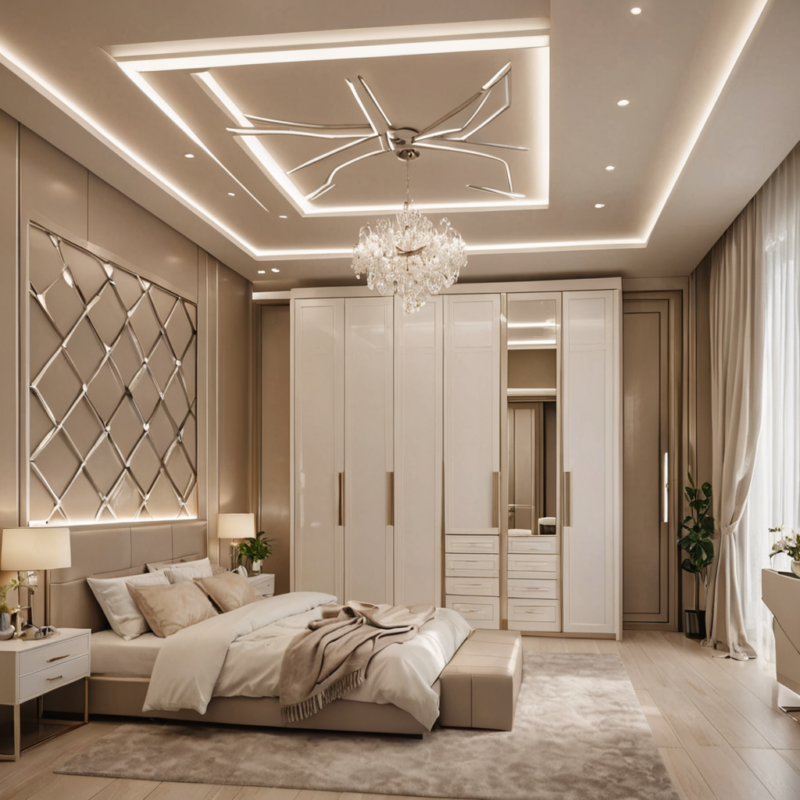
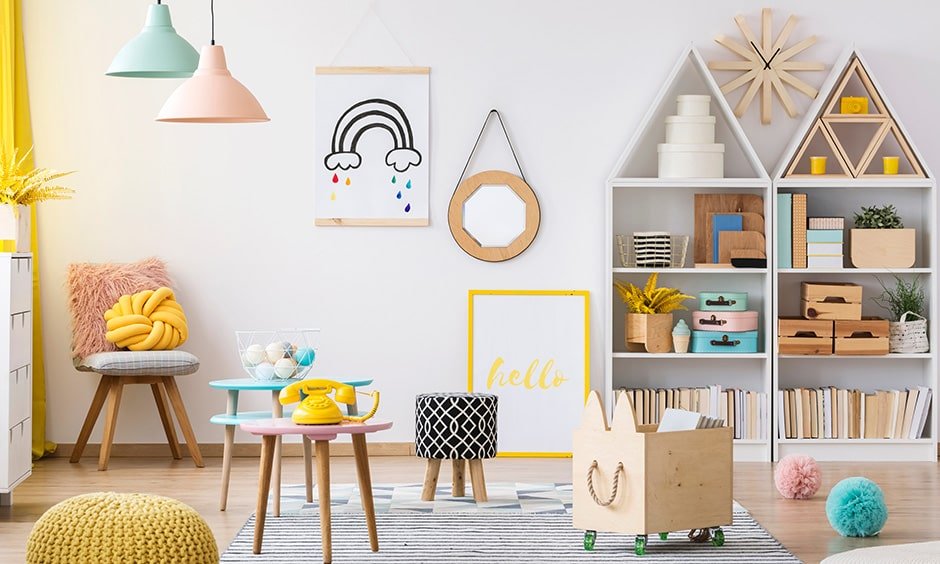
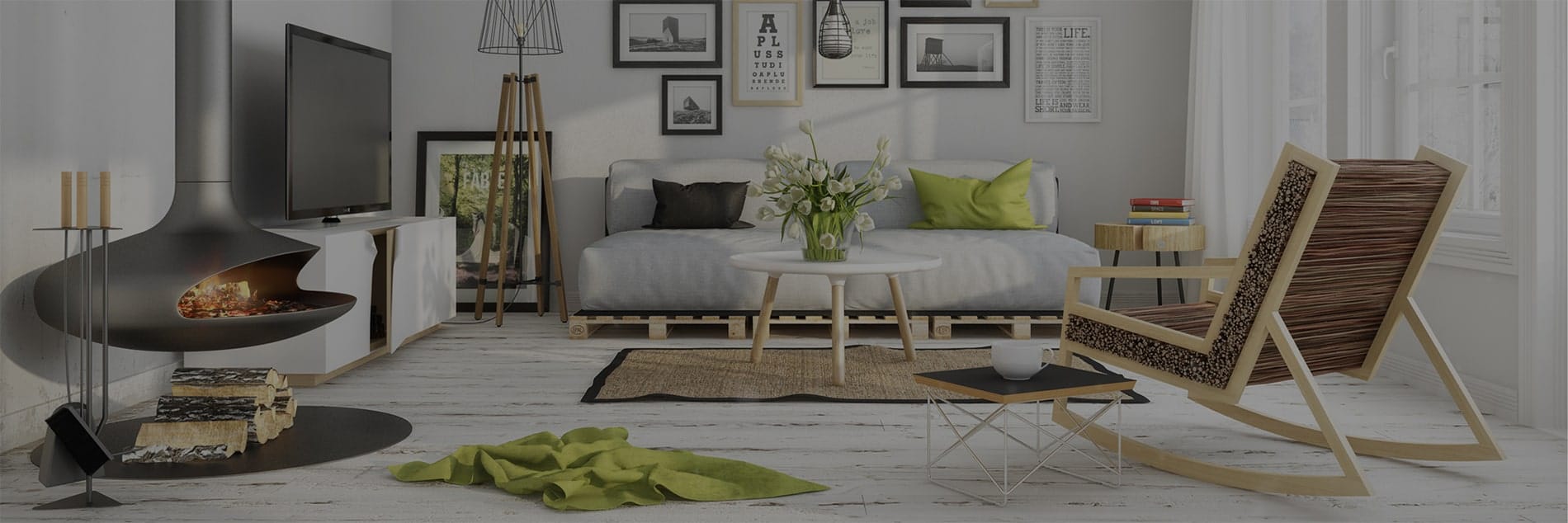
Your home should reflect who you are. Residential interior design allows you to personalize your space according to your preferences, habits, and lifestyle. From cozy bedrooms to functional kitchens and stylish living rooms, every element is tailored to create a comfortable and harmonious environment.
Better Lighting and Ambience
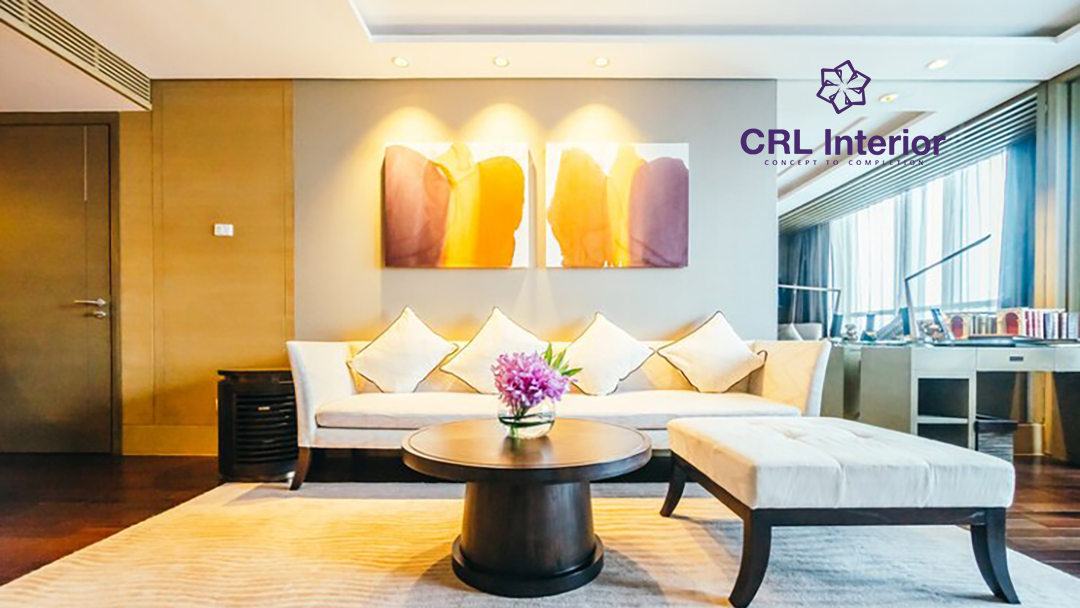
Lighting plays a key role in defining the mood of a space. Interior designers use a combination of natural and artificial lighting to enhance the ambience and functionality of your home. Proper lighting not only improves visibility but also adds warmth and character to interiors.
Incorporating Modern Trends and Technology
Modern homes are evolving with new design trends and smart technologies. Interior designers stay updated with the latest innovations, helping you incorporate smart home features, energy-efficient solutions, and contemporary styles that keep your home future-ready.
Stress-Free Execution
Designing a home can be overwhelming, especially when it involves multiple decisions, vendors, and timelines. Hiring a professional interior designer ensures a smooth and hassle-free process. From concept to execution, they manage everything—saving your time and effort.
Conclusion
Residential interior design is not just about beautifying your home—it’s about creating a space that enhances your lifestyle, improves functionality, and adds long-term value. Whether you are building a new home or renovating an existing one, investing in professional interior design is a smart and rewarding choice.