Blog
Office Design Solutions for Startups and Enterprises

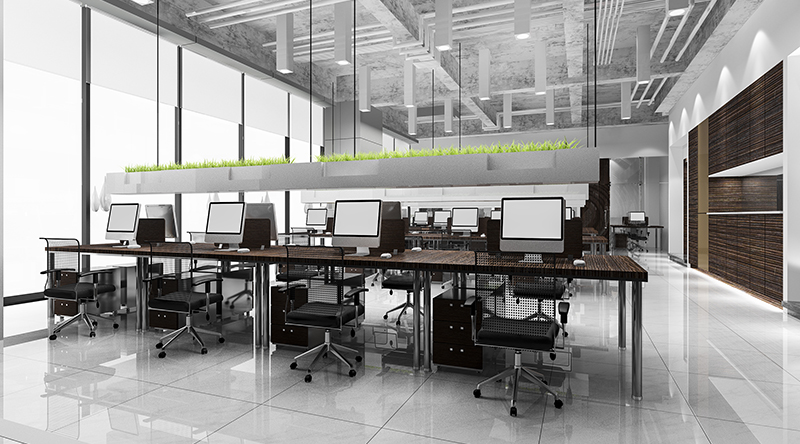
In today’s fast-paced business world, office design is more than just aesthetics—it’s a strategic tool that influences productivity, collaboration, and brand identity. Whether you’re a growing startup or a well-established enterprise, a thoughtfully designed workspace can drive performance, enhance employee well-being, and leave a lasting impression on clients.
Understanding the Needs: Startups vs. Enterprises
Startups and enterprises have distinct operational styles, which directly impact their office design requirements.
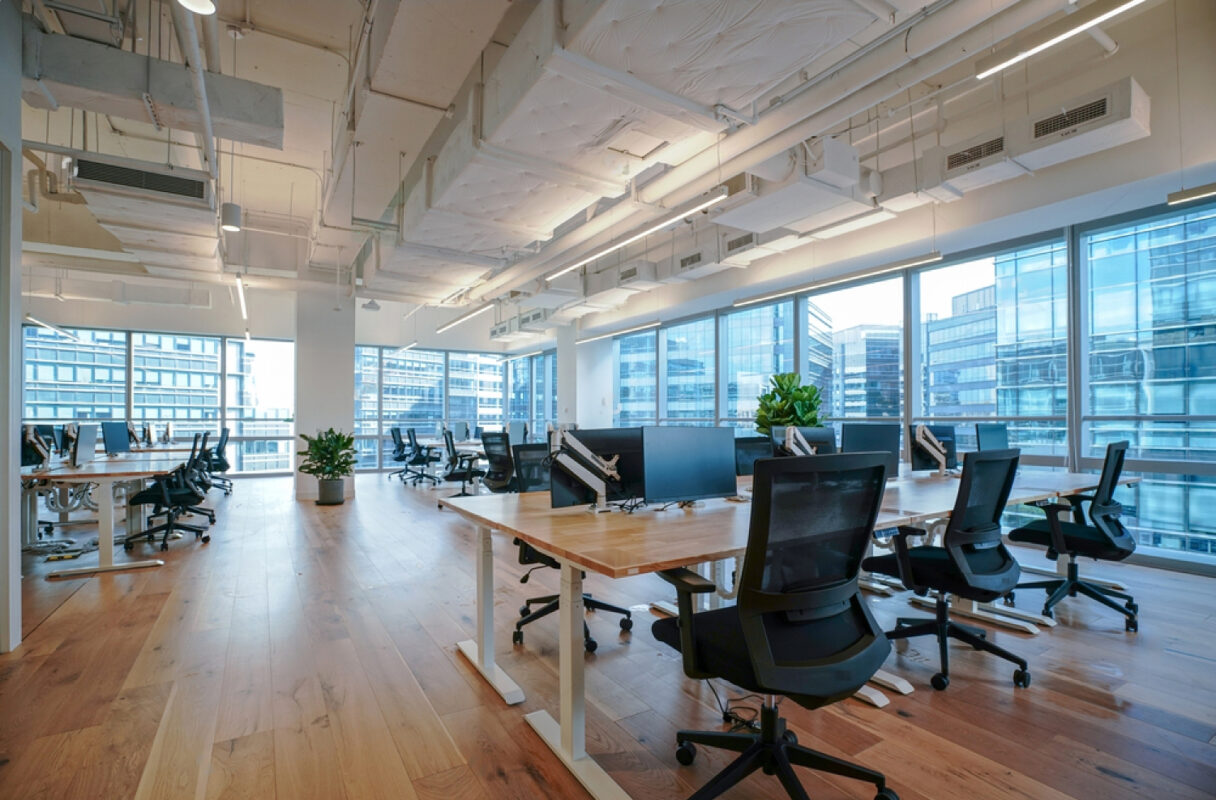
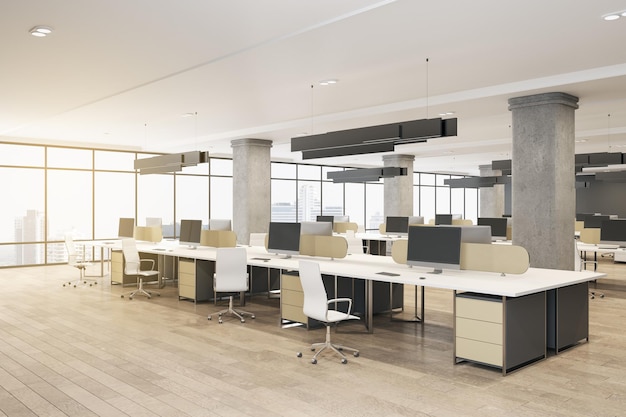
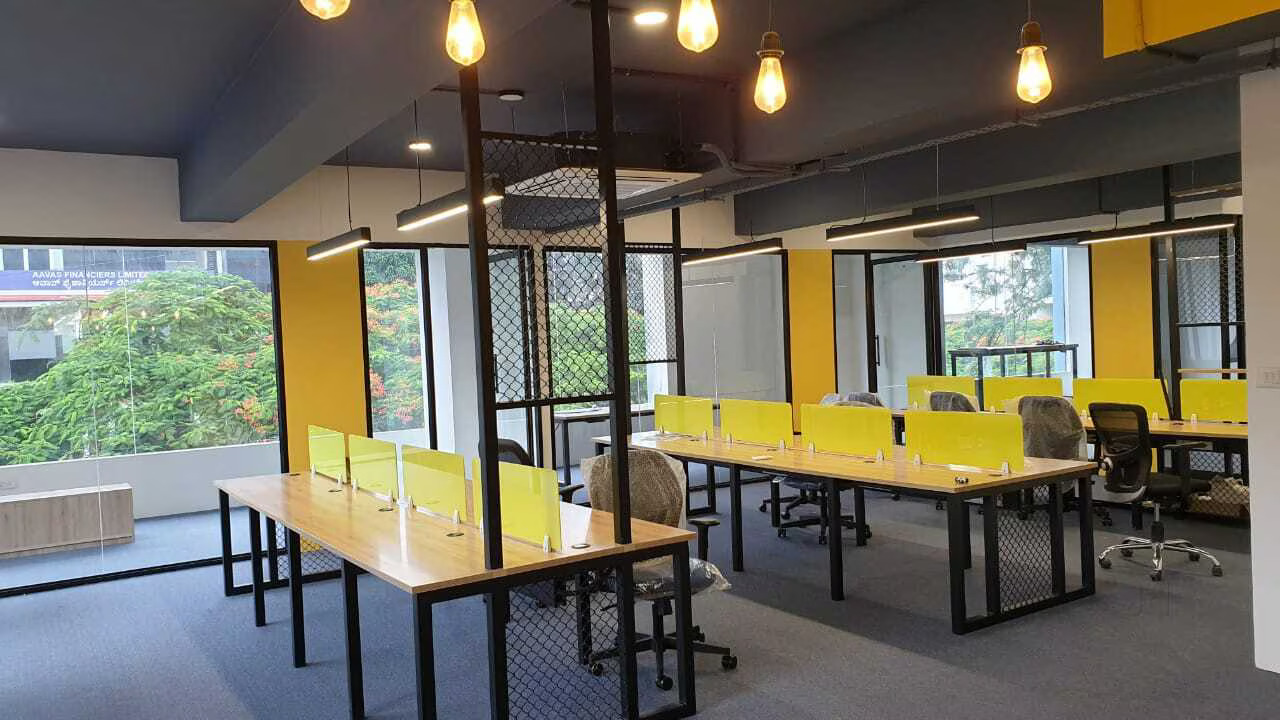
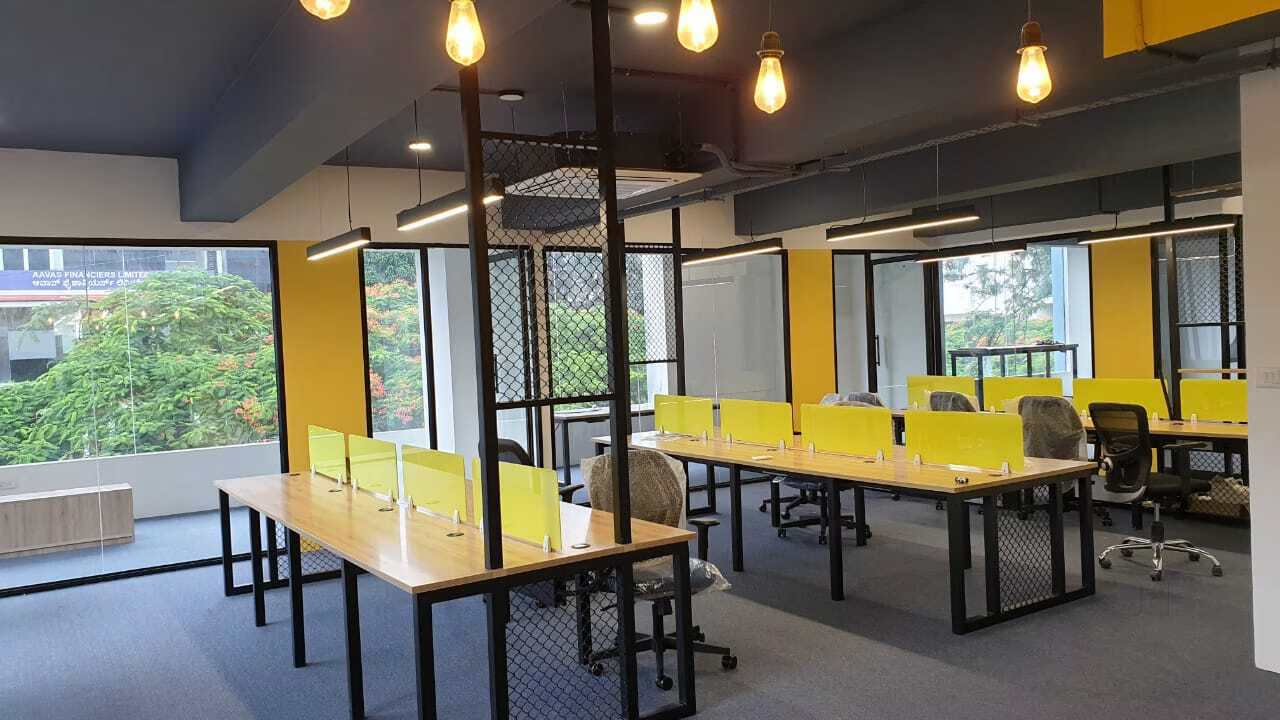
Startups often prioritize flexibility, creativity, and cost-efficiency. Their workspaces need to adapt quickly as teams grow and evolve. Open layouts, modular furniture, and multi-functional areas are key to supporting innovation and collaboration.
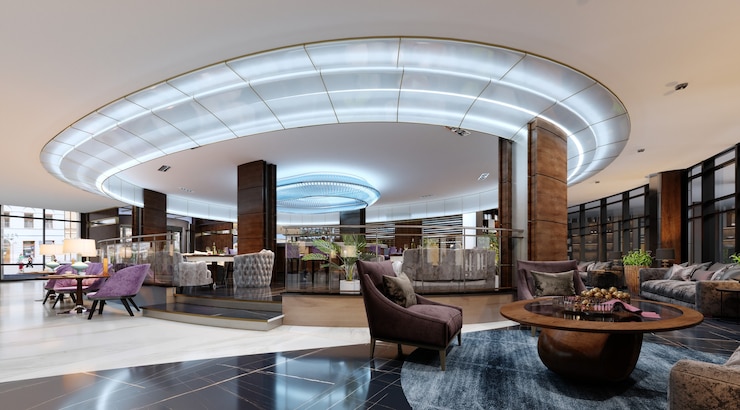
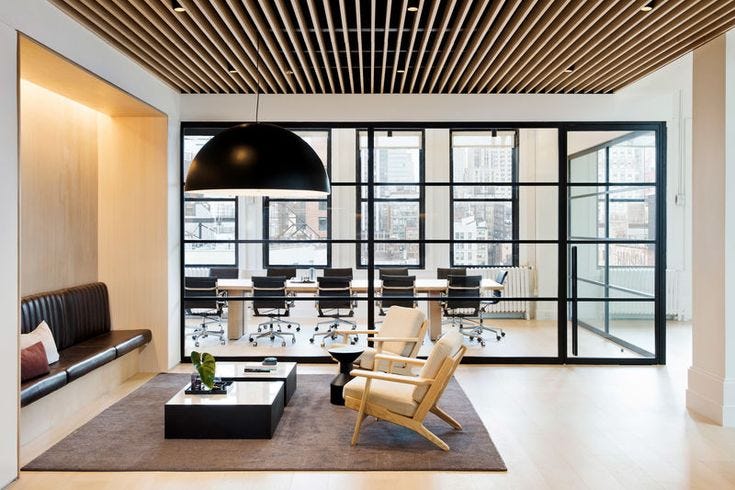
Enterprises, on the other hand, require structured environments that reflect their brand values and accommodate larger teams. Their focus is on scalability, privacy, and departmental organization, often blending open areas with private offices and meeting rooms.
Key Office Design Solutions
1. Flexible Space Planning
A flexible layout is essential for both startups and enterprises. Incorporating movable partitions, modular desks, and adaptable seating arrangements allows businesses to reconfigure spaces as needed. This is especially beneficial for startups experiencing rapid growth and enterprises undergoing restructuring.
2. Ergonomic Workstations
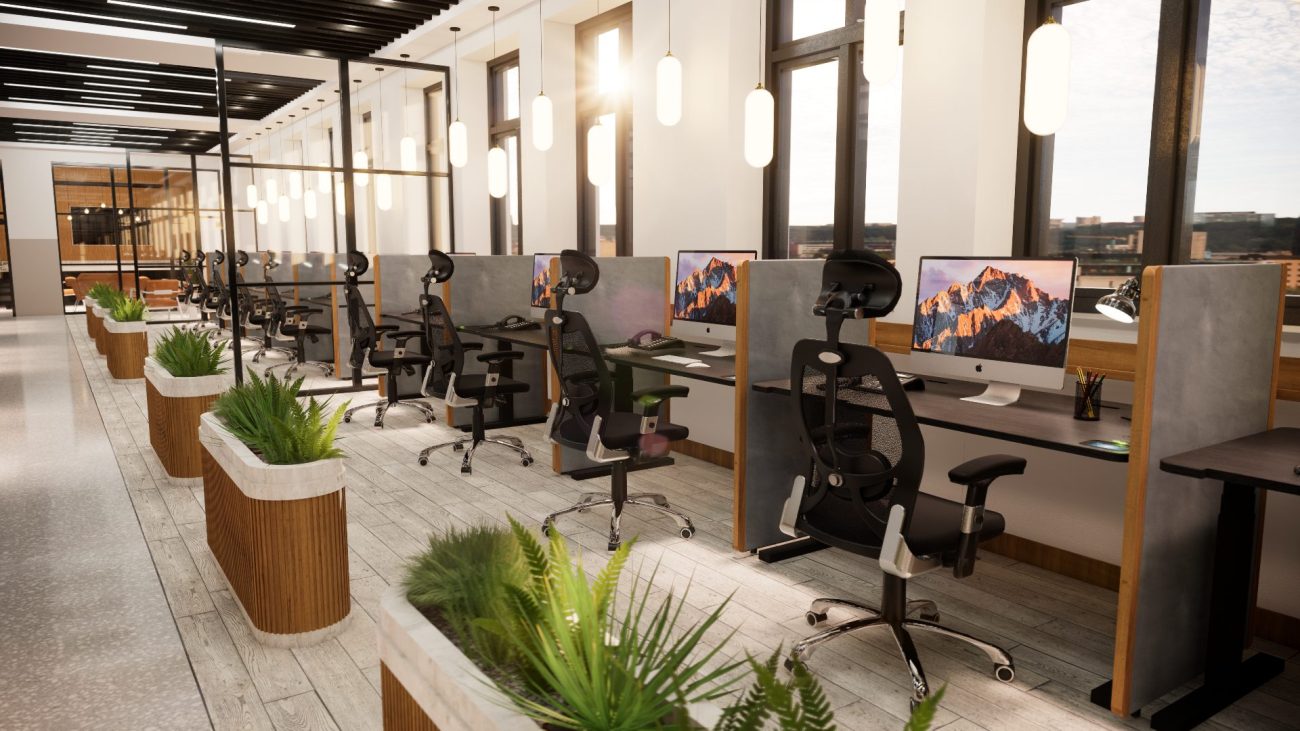
Employee comfort directly impacts productivity. Investing in ergonomic chairs, height-adjustable desks, and proper lighting helps reduce fatigue and improve focus. For enterprises, standardized ergonomic solutions ensure consistency across departments.
3. Collaborative Zones
Modern offices thrive on collaboration. Designing dedicated areas such as brainstorming rooms, breakout zones, and informal lounges encourages teamwork and idea-sharing. Startups benefit from open collaboration hubs, while enterprises can create team-specific collaboration spaces.
4. Private and Focus Areas
While collaboration is important, employees also need quiet zones for focused work. Acoustic pods, enclosed cabins, and soundproof meeting rooms help balance open office noise and provide privacy.
5. Technology Integration
Smart offices are the future. Integrating advanced technologies like video conferencing systems, wireless connectivity, and automated lighting enhances efficiency. Enterprises, in particular, benefit from centralized systems that streamline operations.
6. Brand-Centric Design
Your office should reflect your brand identity. From color schemes and materials to signage and artwork, every element should align with your company’s vision. Startups can use vibrant, creative themes, while enterprises often opt for sophisticated and professional aesthetics.
7. Sustainable Design Practices
Eco-friendly office designs are gaining popularity. Using sustainable materials, energy-efficient lighting, and indoor plants not only reduces environmental impact but also improves employee well-being. Both startups and enterprises can benefit from green certifications and reduced operational costs.
Designing for Employee Well-being
A well-designed office goes beyond functionality—it supports the mental and physical health of employees. Natural lighting, proper ventilation, biophilic elements, and wellness zones contribute to a healthier work environment. Break areas, cafeterias, and relaxation spaces help employees recharge and stay motivated.
Scalability and Future-Readiness
For startups, scalability is crucial. Designing with future expansion in mind avoids frequent redesign costs. Modular setups and flexible layouts make it easier to accommodate growth.
Enterprises, meanwhile, should focus on future-ready designs that incorporate evolving technologies and hybrid work models. Spaces that support both in-office and remote collaboration are becoming essential.
Conclusion
Office design plays a pivotal role in shaping how businesses operate and grow. Startups need agile, creative spaces that foster innovation, while enterprises require structured, scalable environments that support large teams and complex workflows. By investing in smart, flexible, and employee-centric design solutions, businesses can create workplaces that inspire productivity, strengthen culture, and drive long-term success.