Blog
Modular Lab Furniture for Flexible Laboratory Environments

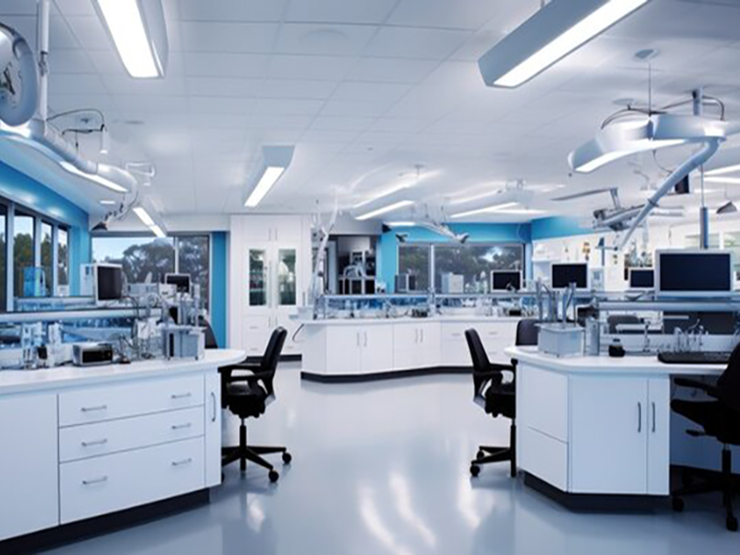
Modern laboratories are no longer static spaces. With evolving research needs, advanced technologies, and stricter compliance requirements, labs must be designed to adapt quickly and efficiently. This is where modular lab furniture plays a crucial role—offering flexibility, scalability, and improved functionality for dynamic laboratory environments.
What is Modular Lab Furniture?
Modular lab furniture refers to pre-engineered, customizable units that can be easily assembled, reconfigured, or expanded based on the lab’s requirements. Unlike traditional fixed furniture, modular systems allow laboratories to evolve without major structural changes.
These systems typically include:
- Workbenches and lab tables
- Storage cabinets and shelving
- Fume hoods and service carriers
- Mobile units and adjustable workstations
Why Flexibility Matters in Modern Laboratories
In industries like pharmaceuticals, biotechnology, healthcare, and research, change is constant. New equipment, updated workflows, and regulatory standards demand adaptable lab spaces. Modular furniture enables labs to respond quickly without costly renovations or downtime.
Key Benefits of Flexible Lab Environments:
- Easy reconfiguration for new projects
- Better space utilization
- Faster installation and upgrades
- Reduced long-term costs
Advantages of Modular Lab Furniture
1. Customization for Diverse Needs
Every laboratory has unique requirements. Modular systems can be tailored to suit specific workflows, whether it’s a research lab, testing facility, or quality control unit.
2. Scalability
As your operations grow, modular furniture grows with you. You can add or modify components without disrupting the entire setup.
3. Improved Ergonomics
Adjustable heights, mobile units, and user-friendly designs ensure comfort and efficiency for lab personnel, reducing fatigue and increasing productivity.
4. Enhanced Safety
Modern modular furniture is designed to comply with safety standards, including chemical resistance, fire safety, and proper ventilation integration.
5. Cost-Effective Investment
While the initial cost may seem higher, modular furniture reduces future renovation expenses, making it a smart long-term investment.
Key Features to Look for in Modular Lab Furniture
When selecting modular lab furniture, consider the following features:
- Durable Materials: Chemical-resistant surfaces like epoxy resin, stainless steel, or high-pressure laminates
- Mobility: Wheels or movable units for easy reconfiguration
- Utility Integration: Built-in electrical, gas, and data connections
- Storage Efficiency: Smart cabinets and space-saving designs
- Compliance: Meets industry safety and regulatory standards
Applications Across Industries
Modular lab furniture is widely used across various sectors:
- Pharmaceutical Labs: For R&D and quality testing
- Biotechnology Labs: Flexible setups for evolving experiments
- Healthcare Laboratories: Efficient diagnostic and clinical workflows
- Educational Institutions: Adaptable spaces for teaching and research
Designing a Flexible Laboratory with Modular Furniture
To create a truly flexible lab environment, consider these design tips:
- Plan for future expansion and technology upgrades
- Use mobile and adjustable furniture wherever possible
- Optimize workflow with strategic layout planning
- Ensure proper ventilation and safety integration
- Collaborate with experienced lab interior designers
The Future of Laboratory Design
As laboratories continue to evolve, modular furniture will remain a cornerstone of modern lab design. Its ability to adapt, optimize space, and support innovation makes it essential for future-ready laboratories.
Conclusion
Modular lab furniture is transforming the way laboratories are designed and operated. By offering flexibility, efficiency, and scalability, it empowers organizations to stay ahead in a rapidly changing environment. Investing in modular solutions is not just about furniture—it’s about building a smarter, more adaptable laboratory for the future.