
Blog
Laboratory Interior Design Contractor Solutions for Research, Pharma & Healthcare Labs

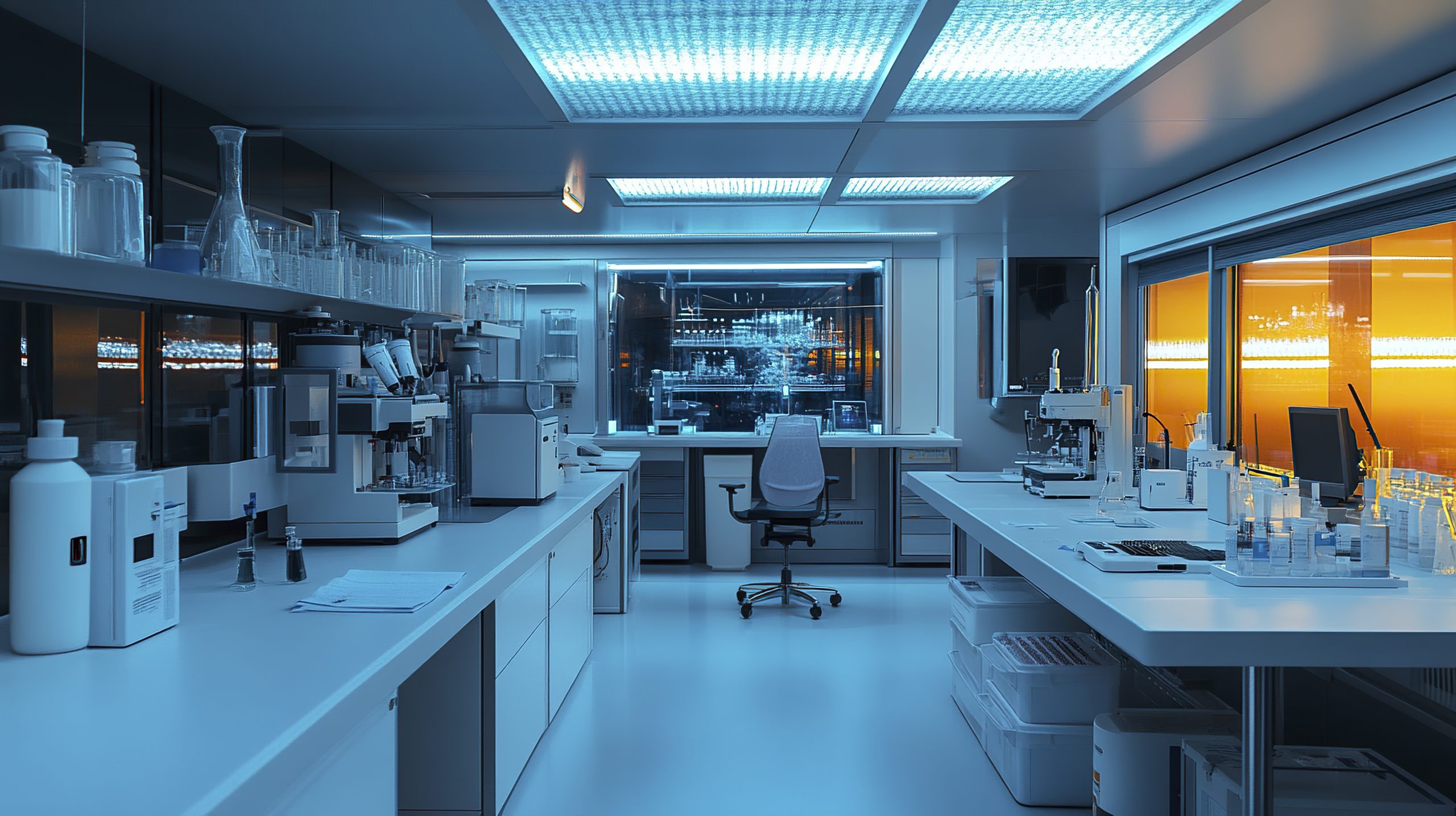
In today’s fast-evolving scientific landscape, laboratories are no longer just functional spaces—they are highly specialized environments that demand precision, safety, and efficiency. Whether it’s a research facility, pharmaceutical lab, or healthcare diagnostic center, the role of a laboratory interior design contractor is crucial in creating spaces that support innovation while meeting strict regulatory standards.
Understanding the Importance of Laboratory Interior Design
Laboratories are complex ecosystems where workflow, safety, and compliance must seamlessly align. A well-designed lab not only enhances productivity but also ensures the safety of researchers and technicians. Professional laboratory interior design contractors bring expertise in planning, material selection, and equipment integration to create optimized workspaces.
Tailored Solutions for Different Lab Environments
1. Research Laboratories
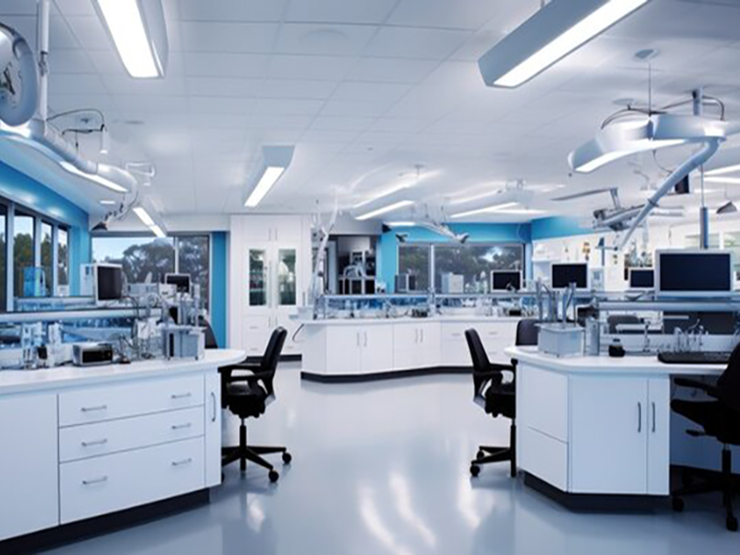
Research labs require flexible layouts to accommodate evolving experiments and technologies. Contractors focus on:
- Modular furniture systems for adaptability
- Efficient space planning for smooth workflow
- Advanced ventilation and lighting systems
- Ergonomic workstations for long working hours
These elements help researchers work efficiently while allowing future upgrades without major disruptions.
2. Pharmaceutical Laboratories
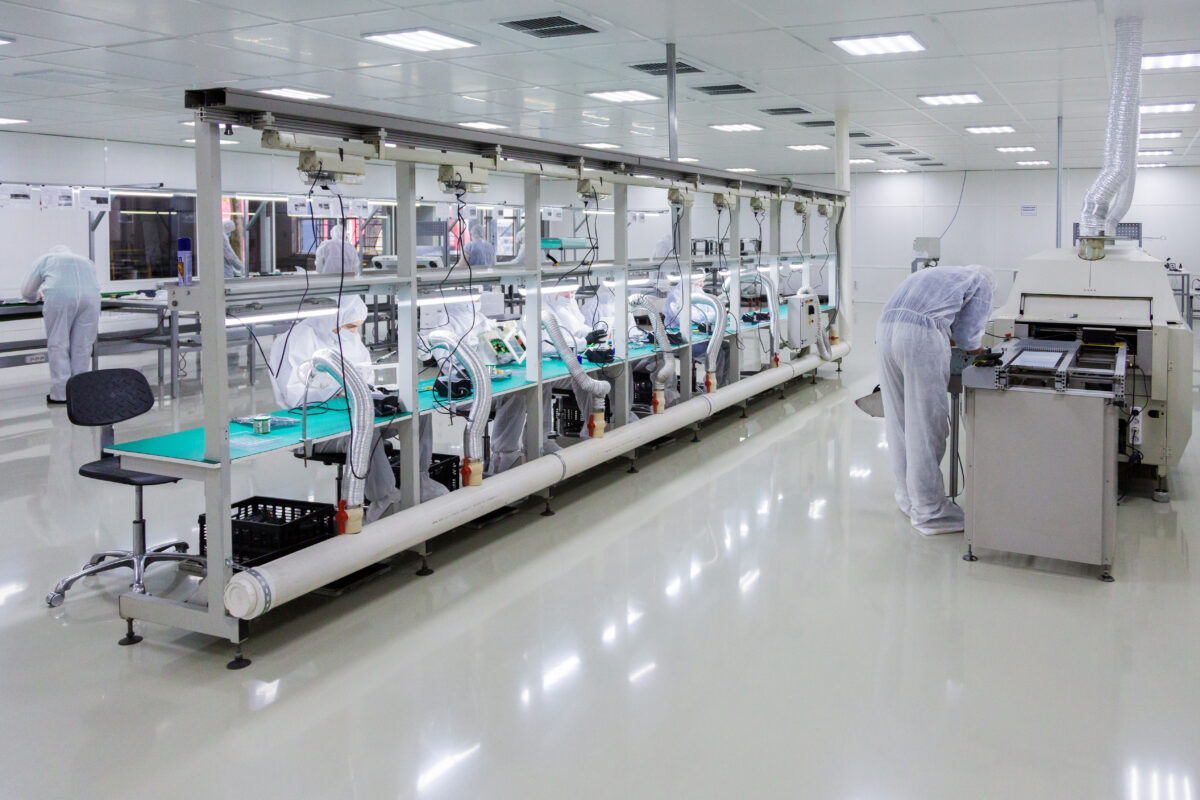
Pharma labs must comply with stringent guidelines such as GMP (Good Manufacturing Practices). Interior design contractors provide:
- Cleanroom design and controlled environments
- Contamination-free surfaces and finishes
- Proper zoning for different processes
- Integration of HVAC systems for air quality control
Attention to detail in these labs ensures product safety and regulatory compliance.
3. Healthcare Laboratories
Healthcare and diagnostic labs demand high hygiene standards and quick turnaround times. Key design solutions include:
- Easy-to-clean, antibacterial materials
- Logical workflow for sample handling
- Dedicated storage and waste management systems
- Efficient lighting for accurate analysis
A well-designed healthcare lab improves both efficiency and patient outcomes.
Key Elements of Laboratory Interior Design
Space Planning & Workflow Optimization
Efficient lab design starts with understanding workflow. Contractors design layouts that minimize movement, reduce errors, and improve productivity.
Safety & Compliance
Safety is non-negotiable in laboratories. Designs incorporate:
- Fire-resistant materials
- Emergency exits and safety equipment
- Proper chemical storage solutions
- Compliance with international and local standards
HVAC & Ventilation Systems
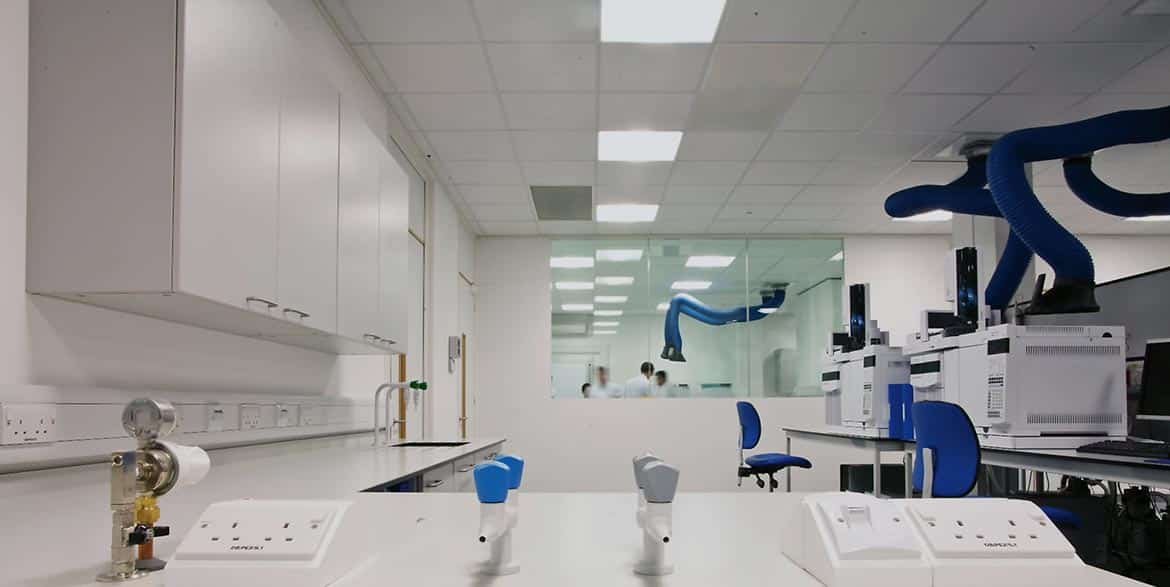
Proper ventilation is essential to maintain air quality and control temperature and humidity. Specialized HVAC systems are designed to handle hazardous fumes and maintain cleanroom conditions.
Durable & Functional Materials
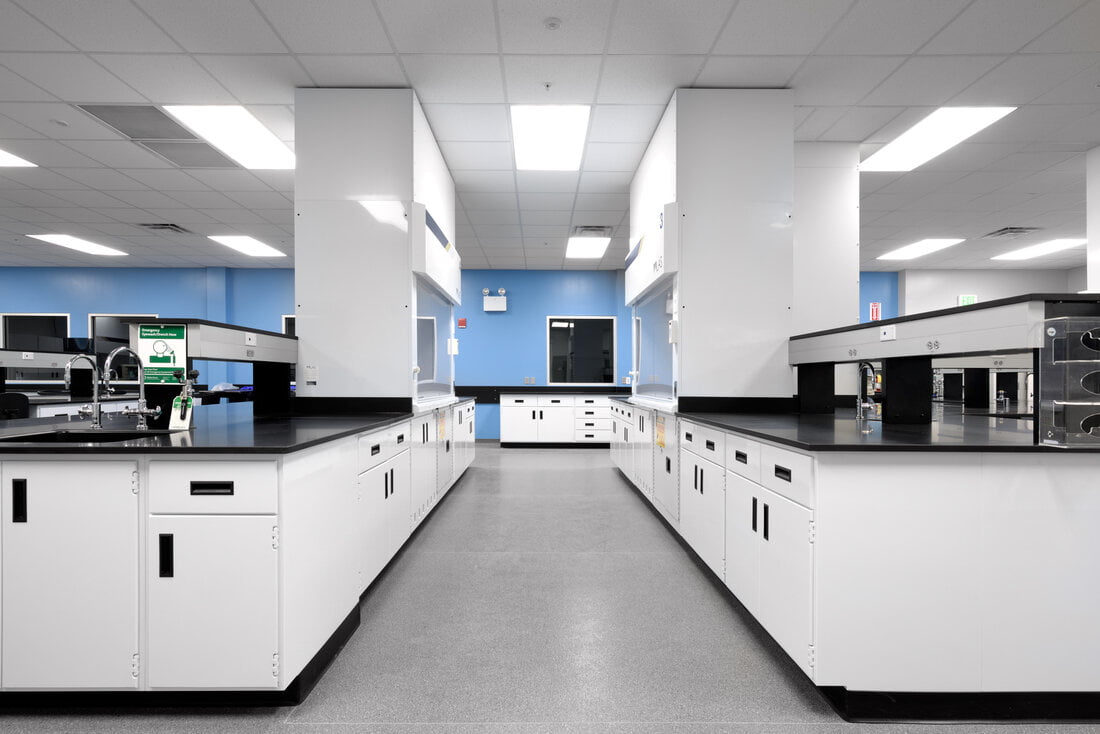
Laboratory interiors require materials that can withstand chemicals, heat, and heavy usage. Common choices include:
- Epoxy resin worktops
- Stainless steel fixtures
- Anti-corrosive coatings
Technology Integration
Modern labs rely on advanced equipment and digital systems. Contractors ensure seamless integration of:
- Data and power connectivity
- Smart lab systems
- Automation and monitoring tools
Benefits of Hiring a Professional Laboratory Interior Design Contractor
Partnering with an experienced contractor offers several advantages:
- Customized solutions based on lab type
- Compliance with industry standards and regulations
- Cost-effective planning and execution
- Timely project delivery
- Future-ready designs with scalability
Future Trends in Laboratory Interior Design
The future of lab design is driven by innovation and sustainability. Some emerging trends include:
- Smart laboratories with IoT integration
- Sustainable materials and energy-efficient systems
- Flexible and modular lab layouts
- Increased focus on user comfort and collaboration spaces
Conclusion
Laboratory interior design is a critical investment for research, pharmaceutical, and healthcare facilities. A skilled laboratory interior design contractor brings the expertise needed to create safe, efficient, and future-ready environments. By combining functionality with innovation, these professionals help laboratories operate at their highest potential—driving scientific progress and improving healthcare outcomes.