Blog
Office Interior Design for IT Companies: Innovation-Driven Workspaces

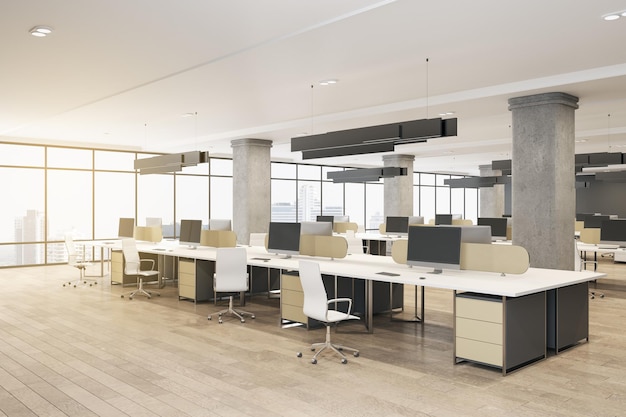
In today’s fast-evolving digital landscape, IT companies need more than just functional offices—they need innovation-driven workspaces that inspire creativity, collaboration, and productivity. Thoughtfully designed office interiors play a crucial role in shaping employee experience, brand identity, and overall business performance.
Why Office Interior Design Matters for IT Companies
IT professionals spend long hours brainstorming, coding, and collaborating. A well-planned office interior design can:
- Boost employee productivity and focus
- Encourage teamwork and idea-sharing
- Reduce stress and fatigue
- Reflect the company’s tech-forward brand culture
Modern IT offices are no longer confined to cubicles; they are dynamic environments built for innovation.
Key Elements of Innovation-Driven IT Office Interiors
1. Open and Flexible Layouts
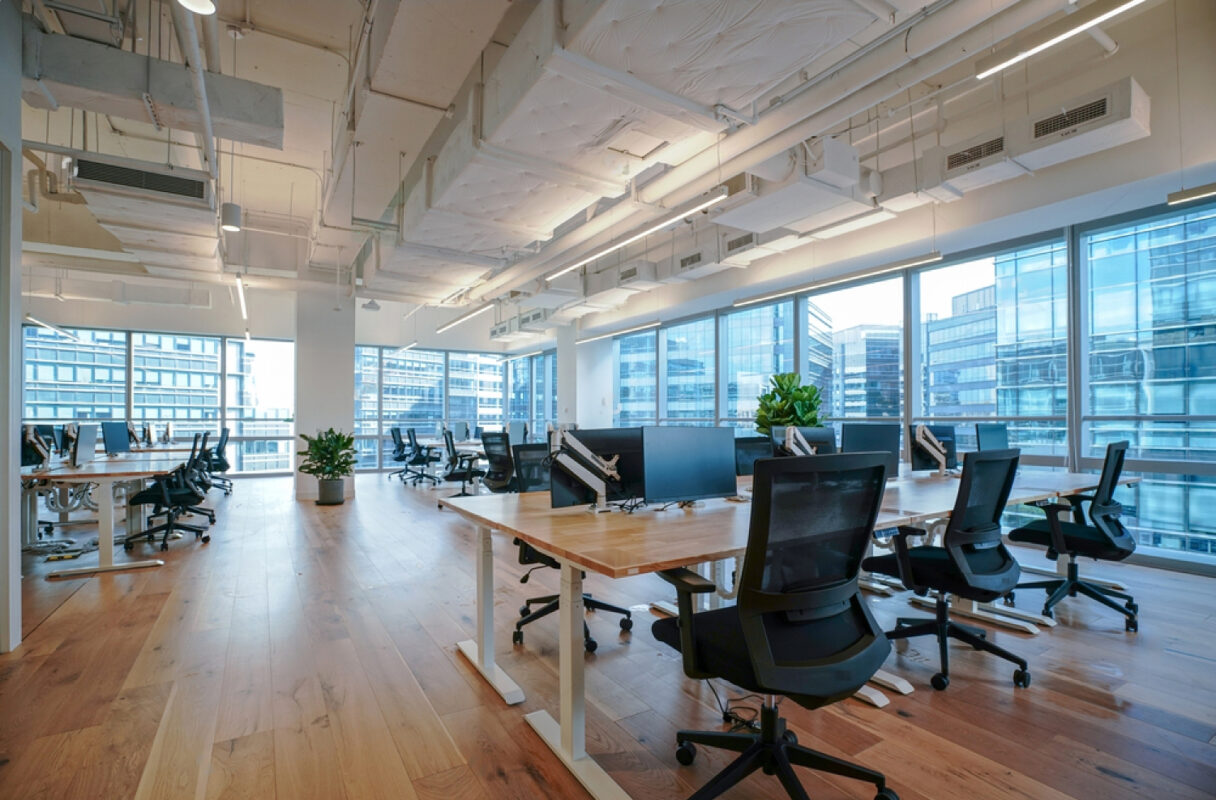
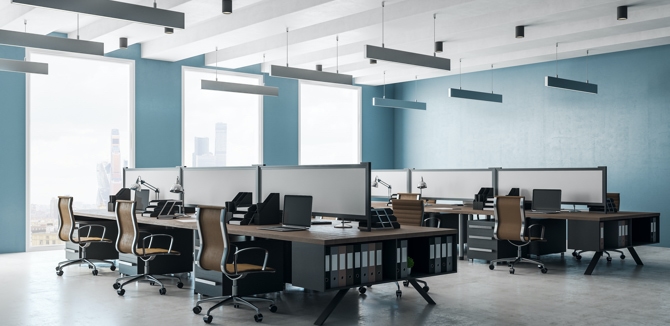
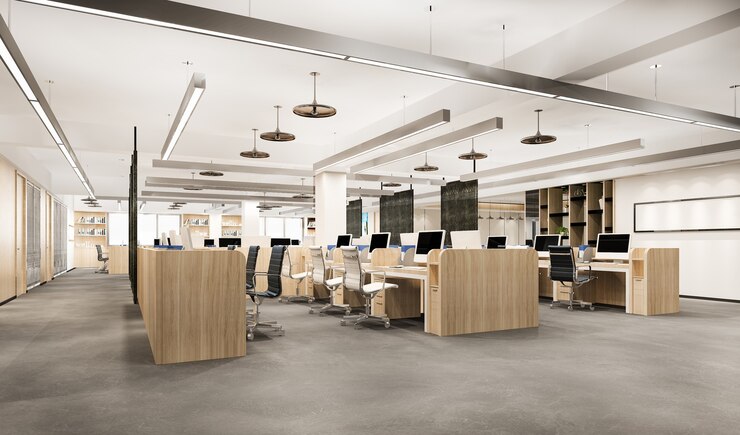
Open layouts promote transparency and collaboration, which are essential for agile IT teams. Flexible workstations, movable partitions, and modular furniture allow teams to reconfigure spaces based on project needs.
2. Collaborative Zones
Innovation thrives when people interact. Dedicated brainstorming rooms, informal meeting areas, and breakout spaces help teams exchange ideas freely without disrupting focused work zones.
3. Ergonomic Workstations
Comfort directly impacts performance. Ergonomic chairs, adjustable desks, and proper monitor placement reduce physical strain and support long working hours—essential in IT environments.
4. Technology-Integrated Design
Smart lighting, video conferencing setups, cable management systems, and IoT-enabled controls create a seamless, tech-enabled workspace that aligns with the IT industry’s core values.
5. Acoustic Planning
Noise control is vital in open offices. Acoustic panels, soundproof meeting rooms, and soft furnishings help maintain concentration while preserving an open, modern feel.
6. Inspiring Aesthetics and Branding
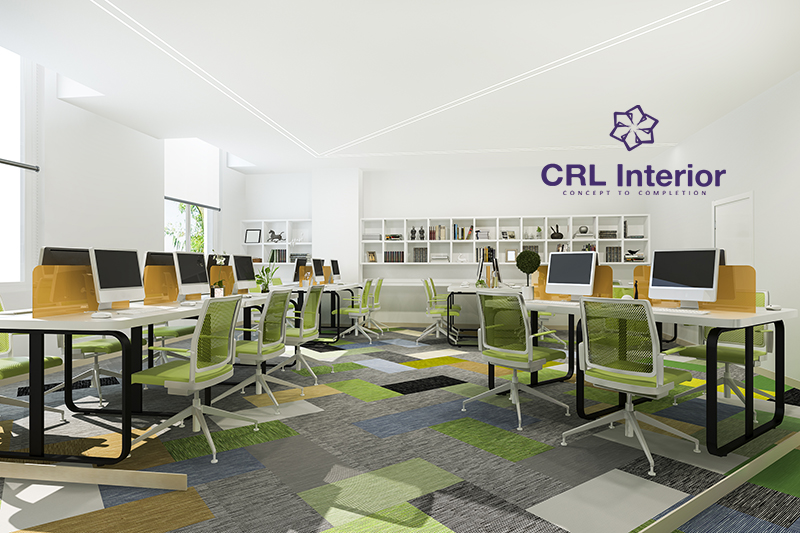
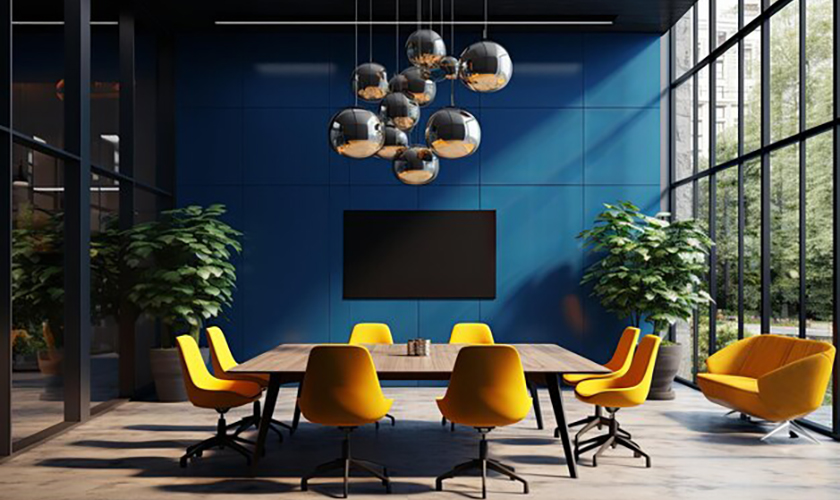
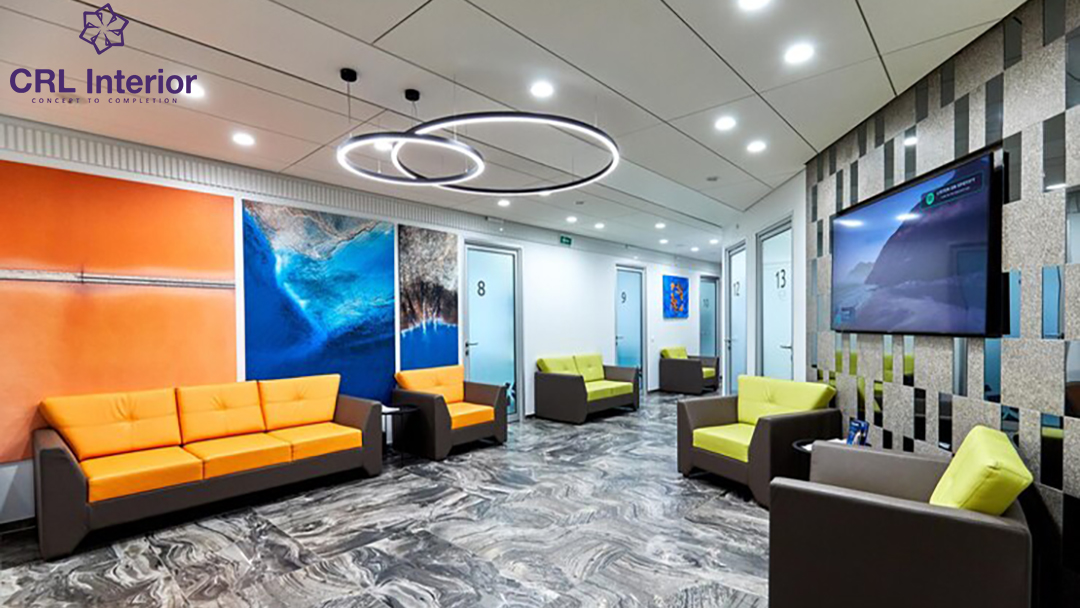
Bold colors, creative wall graphics, digital displays, and brand-aligned interiors reinforce company culture. A visually engaging workspace boosts morale and leaves a lasting impression on clients and employees alike.
7. Biophilic Design Elements
Incorporating natural light, indoor plants, and eco-friendly materials improves air quality and enhances employee well-being—leading to better focus and reduced stress.
Spaces Every IT Office Should Include
- Focus Zones for deep work and coding
- Meeting Rooms with smart collaboration tools
- Recreation Areas to relax and recharge
- Training Rooms for skill development
- Cafeterias and Lounge Spaces to foster informal interactions
Benefits of a Well-Designed IT Office Interior
An innovation-driven office interior helps IT companies:
- Attract and retain top talent
- Improve efficiency and teamwork
- Support hybrid and agile work models
- Enhance brand credibility and professionalism
Conclusion
Office interior design for IT companies is about creating environments that empower innovation, adaptability, and growth. By combining smart layouts, ergonomic design, advanced technology, and inspiring aesthetics, IT offices can transform into workspaces that drive performance and success.
A well-designed IT office is not just a place to work—it’s a space where ideas turn into impactful solutions.