Blog
Eco-Friendly Residential Interior Design Ideas

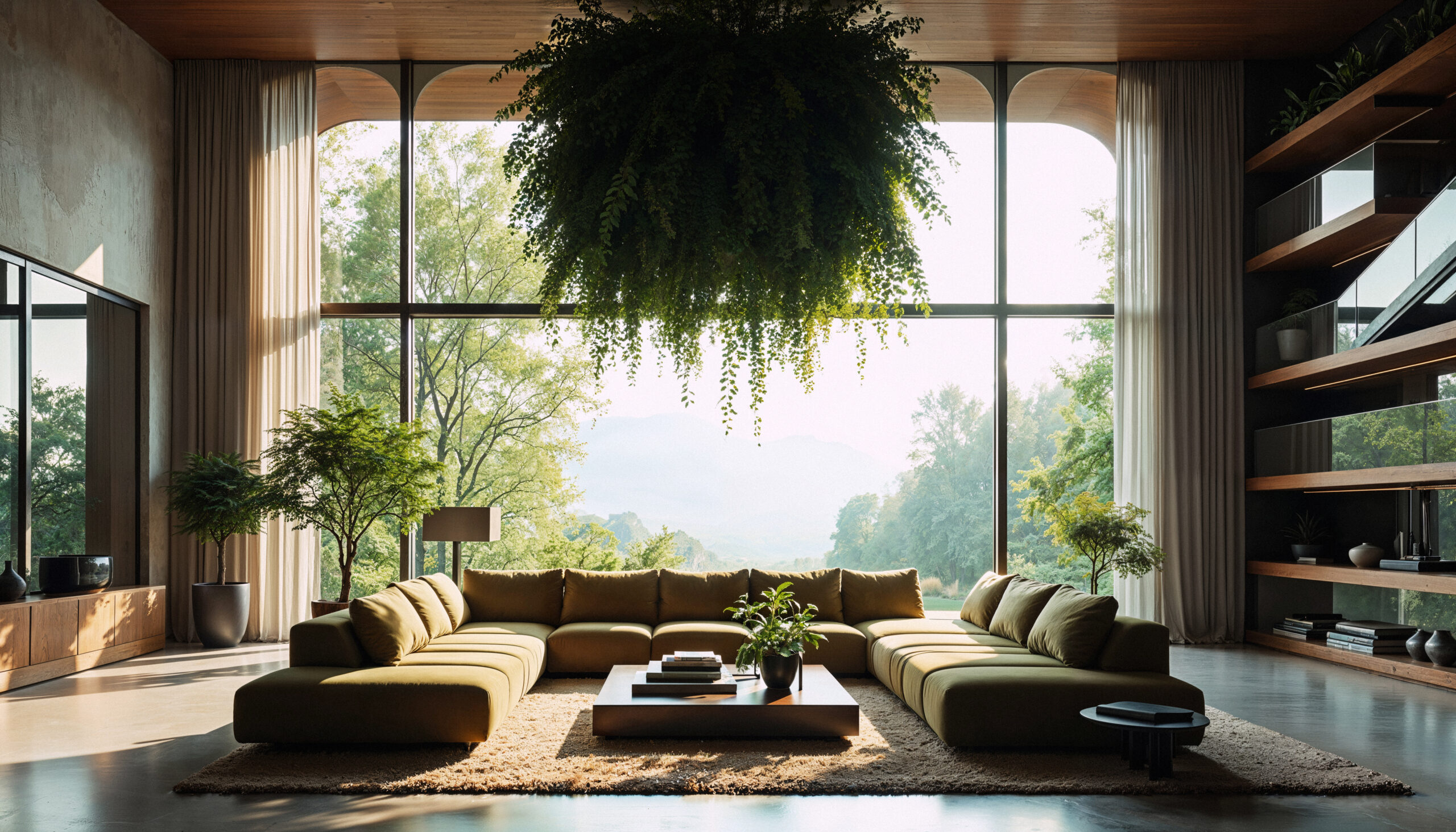
Modern homeowners are increasingly choosing eco-friendly interior design to create healthier, energy-efficient, and sustainable living spaces. Sustainable residential interiors not only reduce environmental impact but also improve comfort, indoor air quality, and long-term savings. By combining smart planning, natural materials, and energy-efficient solutions, you can design a beautiful home that supports both your lifestyle and the planet.
What is Eco-Friendly Interior Design?
Eco-friendly interior design focuses on using sustainable materials, reducing waste, conserving energy, and creating healthier indoor environments. It involves selecting environmentally responsible products, optimizing natural light and ventilation, and incorporating energy-saving technologies into residential spaces.
The goal is to create interiors that are stylish, functional, and environmentally conscious.
Benefits of Eco-Friendly Residential Interiors
1. Healthier Living Environment
Eco-friendly homes use low-toxic materials and better ventilation systems, helping improve indoor air quality and reducing exposure to harmful chemicals.
2. Energy Efficiency
Sustainable homes consume less electricity through LED lighting, energy-efficient appliances, and optimized natural lighting.
3. Long-Term Cost Savings
Although some sustainable materials may have a higher initial cost, they often last longer and reduce maintenance and utility expenses over time.
4. Reduced Environmental Impact
Using renewable materials and minimizing waste helps conserve natural resources and lower carbon emissions.
5. Enhanced Property Value
Eco-conscious homes are increasingly attractive to buyers and can improve resale value.
Top Eco-Friendly Residential Interior Design Ideas
1. Use Sustainable Materials
Choose materials that are renewable, recycled, or responsibly sourced.
Popular sustainable materials include:
- Bamboo flooring and furniture
- Reclaimed wood
- Cork flooring
- Recycled metal and glass
- Natural stone
- Organic cotton and linen fabrics
These materials are durable, stylish, and environmentally friendly.
2. Maximize Natural Lighting
Natural light reduces the need for artificial lighting during the day and creates a warm, inviting atmosphere.
Ways to improve natural lighting:
- Install larger windows
- Use sheer curtains
- Add mirrors to reflect sunlight
- Choose light-colored walls and ceilings
- Incorporate skylights where possible
Well-lit interiors also improve mood and productivity.
3. Choose Energy-Efficient Lighting
Replace traditional bulbs with LED lighting solutions that consume less electricity and last longer.
Energy-saving lighting ideas:
- LED ceiling lights
- Motion-sensor lighting
- Smart lighting systems
- Solar-powered outdoor lights
Layered lighting design can improve both functionality and aesthetics while reducing energy use.
4. Opt for Low-VOC Paints and Finishes
Conventional paints often contain volatile organic compounds (VOCs) that affect indoor air quality.
Low-VOC or zero-VOC paints are safer alternatives that:
- Reduce indoor pollution
- Minimize odor
- Improve respiratory health
- Support sustainable living
Choose eco-certified paints for walls, furniture, and cabinetry.
5. Incorporate Indoor Plants
Indoor plants naturally purify the air and enhance the visual appeal of interiors.
Best indoor plants for eco-friendly homes:
- Snake Plant
- Areca Palm
- Peace Lily
- Money Plant
- Spider Plant
Plants also help create a calming and refreshing atmosphere.
6. Invest in Energy-Efficient Appliances
Modern energy-efficient appliances reduce electricity and water consumption.
Look for:
- Energy star-rated refrigerators
- Efficient washing machines
- Smart air conditioners
- Water-saving dishwashers
Smart home systems can further optimize energy usage.
7. Use Recycled and Upcycled Furniture
Instead of purchasing new furniture, consider:
- Refurbishing old furniture
- Buying vintage pieces
- Using recycled wood furniture
- Upcycling decorative items
This approach reduces waste and adds unique character to your home.
8. Improve Ventilation and Airflow
Proper airflow reduces dependence on artificial cooling systems.
Sustainable ventilation strategies include:
- Cross ventilation layouts
- Large operable windows
- Exhaust systems in kitchens and bathrooms
- Ceiling fans instead of excessive air conditioning
Good ventilation creates a healthier and more comfortable home environment.
9. Install Water-Saving Fixtures
Eco-friendly homes should also focus on water conservation.
Recommended fixtures:
- Low-flow faucets
- Dual-flush toilets
- Water-efficient showerheads
- Rainwater harvesting systems
These features help reduce water wastage significantly.
10. Adopt Minimalist Interior Design
Minimalism promotes intentional living and reduces unnecessary consumption.
Key principles:
- Functional furniture
- Clutter-free spaces
- Neutral color palettes
- Multi-purpose storage solutions
A minimalist home is easier to maintain and often more sustainable.
Sustainable Decor Ideas for Modern Homes
Enhance your eco-friendly interiors with:
- Handmade décor items
- Natural fiber rugs
- Clay or ceramic accessories
- Recycled artwork
- Wooden décor accents
- Eco-friendly wallpapers
Choose timeless designs that remain stylish for years instead of following short-term trends.
Eco-Friendly Kitchen Design Ideas
The kitchen is one of the most resource-intensive areas in a home. Sustainable kitchen solutions include:
- Modular cabinets with eco-friendly plywood
- Energy-efficient appliances
- Composting systems
- Recycled countertops
- LED task lighting
- Water-saving faucets
A well-designed eco-friendly kitchen combines efficiency, hygiene, and sustainability.
Eco-Friendly Bedroom Design Tips
Create a relaxing and sustainable bedroom with:
- Organic cotton bedding
- Wooden furniture
- Natural ventilation
- Low-VOC wall finishes
- Soft LED lighting
- Indoor plants
Use calming earth tones and natural textures for a peaceful atmosphere.
Future of Sustainable Residential Interiors
Eco-friendly design is becoming a major trend in modern architecture and home interiors. As homeowners become more environmentally conscious, sustainable interiors will continue to evolve with:
- Smart home automation
- Solar-powered systems
- Sustainable construction materials
- Energy-efficient technologies
- Biophilic interior concepts
The future of residential design lies in creating homes that are both luxurious and environmentally responsible.
Conclusion
Eco-friendly residential interior design is more than just a trend — it is a smarter way of living. By using sustainable materials, energy-efficient systems, and environmentally responsible design practices, homeowners can create beautiful spaces that support health, comfort, and long-term sustainability.
Whether you are renovating your existing home or designing a new one, adopting eco-friendly interior ideas can help you build a stylish, functional, and future-ready living space while reducing your environmental