Blog
Laboratory Interior Design Trends Shaping Research Facilities in 2026

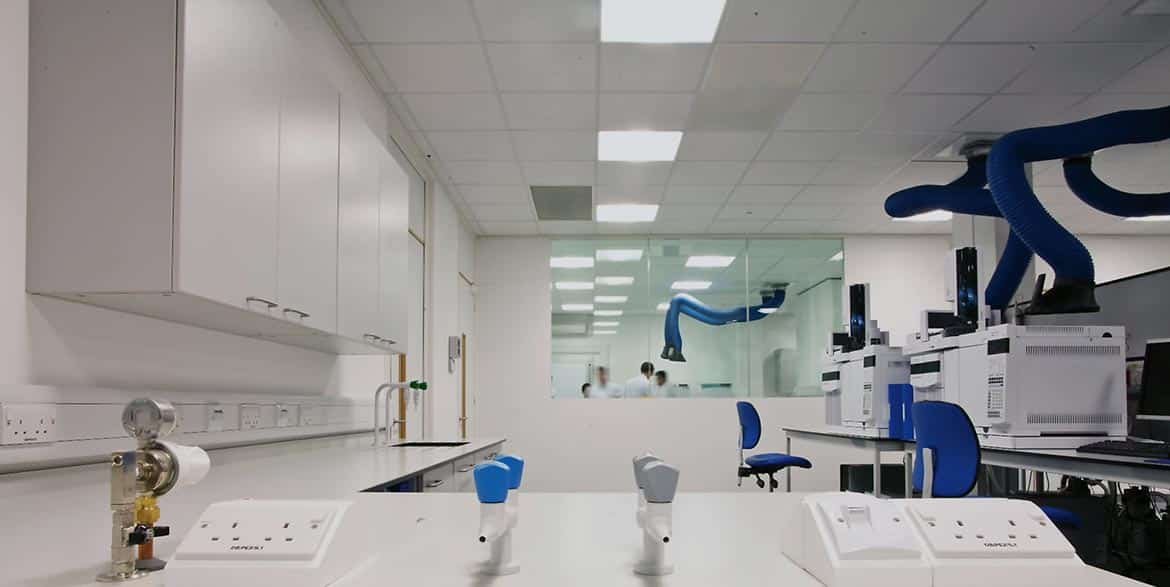
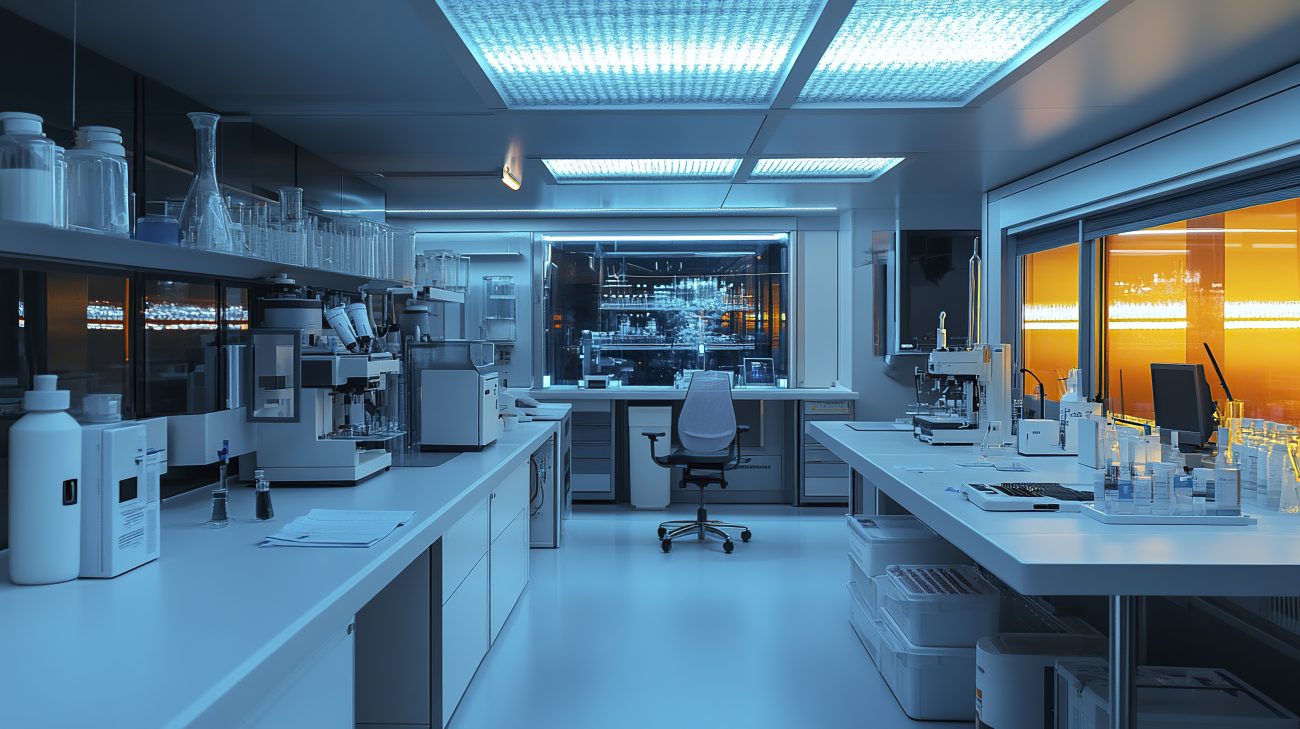
Research environments are evolving rapidly. In 2026, laboratory interior design is no longer just about compliance and functionality—it’s about flexibility, sustainability, digital integration, and researcher well-being. Modern labs are being designed as intelligent, future-ready spaces that boost productivity while meeting global standards.
Here are the key laboratory interior design trends shaping research facilities in 2026.
1. Modular & Flexible Lab Layouts
Research priorities change faster than ever. Fixed lab layouts are being replaced by modular designs that allow easy reconfiguration.
- Mobile lab benches and storage units
- Plug-and-play utilities (gas, power, data)
- Spaces adaptable for multiple research disciplines
This flexibility reduces downtime and extends the life cycle of the laboratory.
2. Smart & Digitally Connected Laboratories
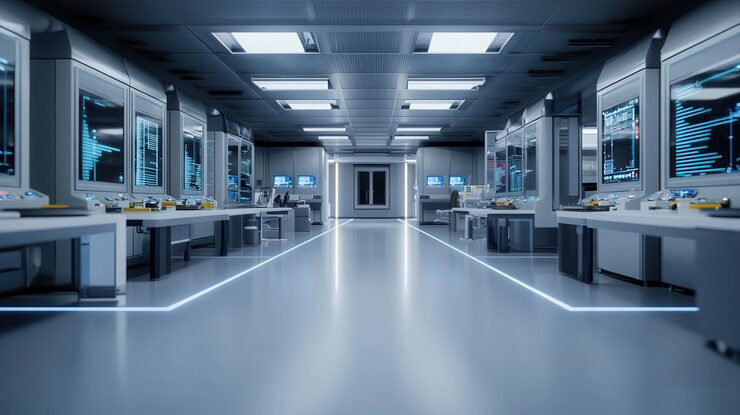
The rise of smart labs is one of the biggest trends of 2026. Technology is deeply integrated into lab interiors.
- IoT-enabled monitoring for temperature, humidity, and air quality
- Smart lighting and HVAC systems
- Digital access control and asset tracking
These features improve safety, accuracy, and operational efficiency.
3. Sustainability-Driven Lab Design
Green labs are no longer optional—they are expected. Sustainable laboratory interiors help reduce energy costs and environmental impact.
- Energy-efficient fume hoods and LED lighting
- Low-VOC materials and eco-friendly finishes
- Water-saving fixtures and waste segregation zones
Sustainability also supports global certifications and ESG goals.
4. Enhanced Safety & Compliance-Centric Design
Safety remains the backbone of laboratory design, but 2026 emphasizes design-led safety solutions.
- Clear zoning for hazardous and non-hazardous areas
- Ergonomically placed emergency showers and eyewash stations
- Seamless compliance with NABL, GLP, ISO, and WHO standards
Good design reduces risk while improving workflow efficiency.
5. Ergonomic & Researcher-Centric Workspaces
Research productivity depends on comfort. Laboratories are now designed with human-centered ergonomics.
- Adjustable-height workstations
- Anti-fatigue flooring
- Improved acoustics and glare-free lighting
These features reduce physical strain and enhance focus during long research hours.
6. Hybrid Labs: Collaboration Meets Research
Modern research demands collaboration. Lab interiors are blending wet labs, dry labs, and collaboration zones.
- Glass partitions for visibility and safety
- Integrated meeting pods within lab spaces
- Seamless flow between research and discussion areas
This trend supports faster innovation and team-driven research.
7. Cleanroom & Controlled Environment Advancements
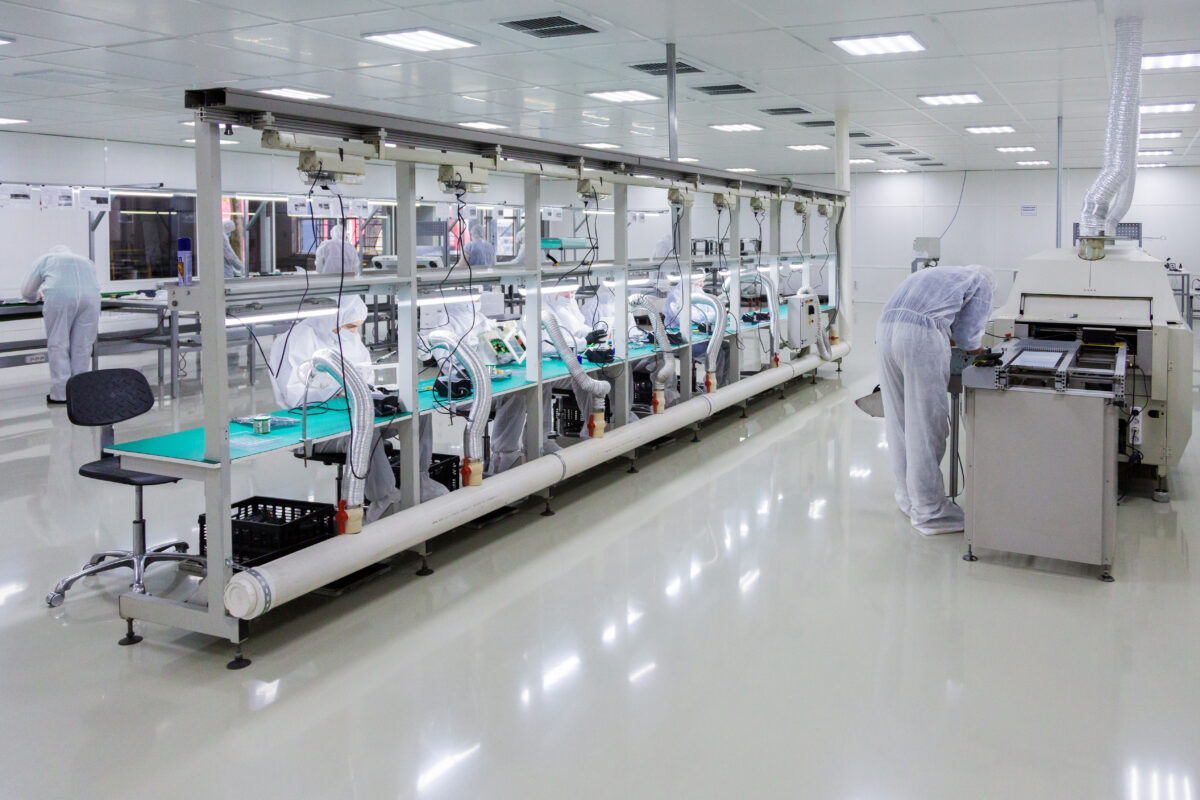
For pharma, biotech, and electronics research, cleanroom design continues to evolve.
- Advanced air filtration and pressure control
- Seamless, easy-to-clean surfaces
- Precision zoning based on cleanliness levels
Design accuracy directly impacts research outcomes in such facilities.
8. Aesthetic Yet Functional Lab Interiors
In 2026, labs no longer look purely industrial. Aesthetics play a role in attracting talent and building brand identity.
- Neutral color palettes with accent highlights
- Branded elements and wayfinding graphics
- Glass, stainless steel, and high-performance materials
A well-designed lab reflects professionalism and innovation.
Conclusion
Laboratory interior design in 2026 is about future readiness—spaces that are flexible, smart, safe, sustainable, and people-focused. Whether it’s a research lab, testing facility, pharma lab, or R&D center, adopting these trends ensures long-term efficiency and compliance.
Investing in the right lab interior design today means empowering research excellence for tomorrow.