

Blog
Science Laboratory Furniture: Types, Features & Selection Guide

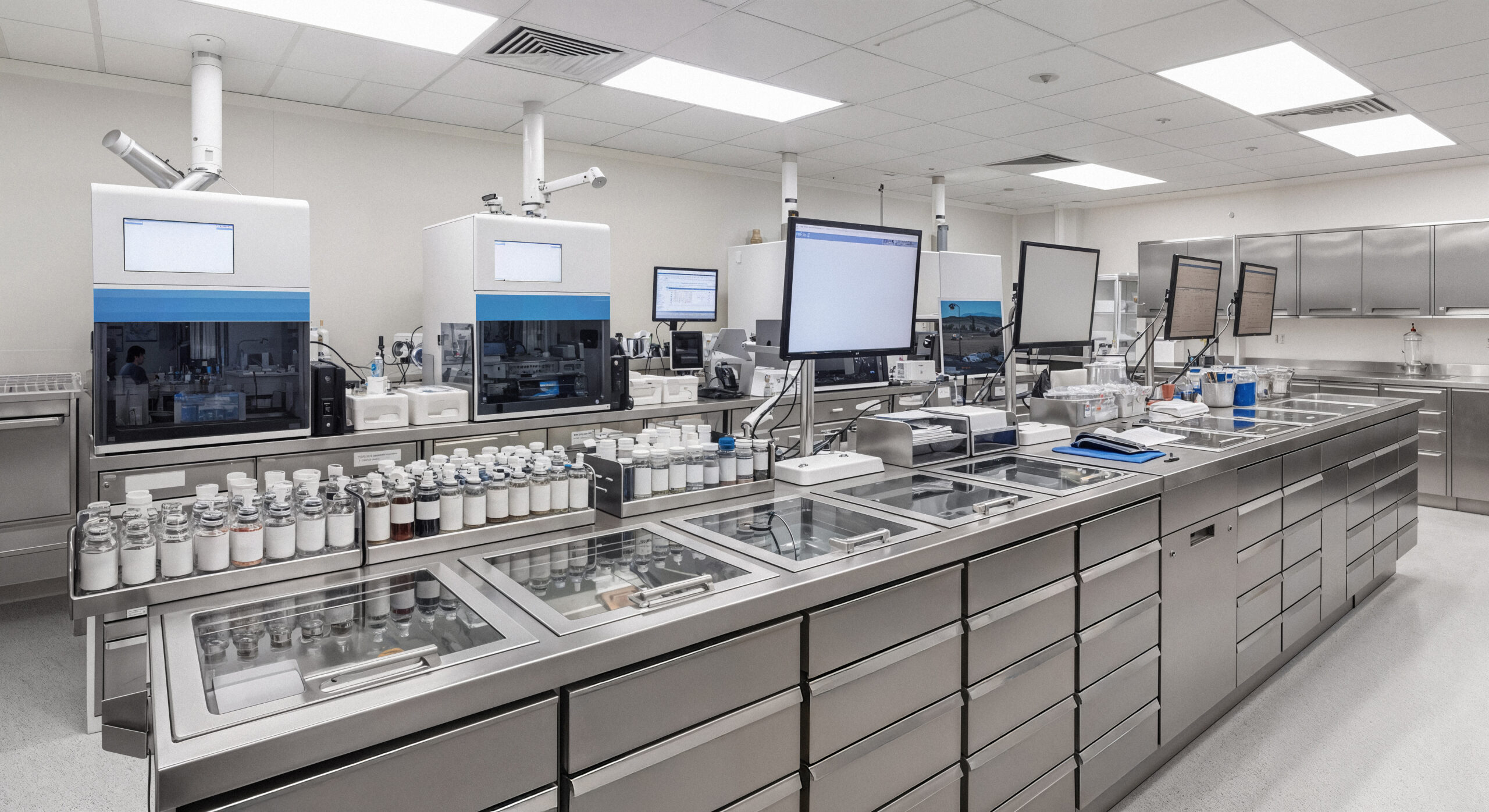
Designing a functional and safe laboratory starts with choosing the right furniture. Whether it’s a research facility, pharmaceutical lab, educational institute, or healthcare setup, laboratory furniture plays a critical role in ensuring efficiency, safety, and compliance. This guide explores the different types of science laboratory furniture, key features to look for, and how to select the best options for your needs.
Types of Science Laboratory Furniture
1. Laboratory Workbenches Workbenches are the backbone of any lab. They provide a stable surface for experiments, testing, and analysis.
- Types: Wall benches, island benches, corner benches
- Applications: General lab work, chemical analysis, sample preparation
2. Storage Cabinets Proper storage ensures safety and organization.
- Types: Chemical storage cabinets, flammable cabinets, acid/alkali cabinets
- Purpose: Safe storage of hazardous materials and lab equipment
3. Fume Hoods Essential for handling toxic fumes and volatile chemicals.
- Types: Ducted fume hoods, ductless fume hoods
- Benefit: Protects users from harmful vapors and ensures ventilation
4. Laboratory Tables & Writing Desks Used for documentation, analysis, and non-experimental work.
- Features: Chemical-resistant surfaces, ergonomic design
5. Sink Units & Wash Stations Important for cleaning glassware and maintaining hygiene.
- Materials: Epoxy resin, stainless steel, polypropylene
6. Mobile Lab Furniture Flexible and movable units designed for dynamic lab environments.
- Includes: Trolleys, mobile cabinets, adjustable tables
7. Specialized Furniture Designed for specific lab functions.
- Examples: Balance tables, anti-vibration tables, instrument benches
⚙️ Key Features to Consider
1. Material Durability Laboratory furniture must withstand chemicals, heat, and corrosion. Common materials include:
- Epoxy resin
- Stainless steel
- Powder-coated steel
- High-pressure laminates (HPL)
2. Chemical Resistance Ensure surfaces resist spills from acids, solvents, and reagents to maintain safety and longevity.
3. Ergonomics & Comfort Well-designed furniture improves productivity and reduces fatigue. Adjustable heights and proper spacing are essential.
4. Safety Compliance Furniture should meet industry standards such as ISO, SEFA, and OSHA guidelines for lab safety.
5. Modularity & Flexibility Modular lab furniture allows easy reconfiguration as lab requirements evolve.
6. Load-Bearing Capacity Heavy equipment requires sturdy benches and storage units with adequate weight support.
7. Easy Maintenance Smooth surfaces and minimal joints help in easy cleaning and contamination control.
How to Choose the Right Laboratory Furniture
1. Understand Lab Requirements Identify the type of lab (research, pharma, educational, diagnostic) and its workflow needs.
2. Space Planning & Layout Efficient layout design ensures smooth movement, proper ventilation, and safety compliance.
3. Budget Considerations Balance cost with quality. Investing in durable furniture reduces long-term maintenance expenses.
4. Compliance & Safety Standards Ensure all furniture meets local and international safety regulations.
5. Customization Needs Choose suppliers who offer tailored solutions based on your lab’s specific requirements.
6. Future Scalability Opt for modular designs that can adapt to future expansion or changes.
Benefits of High-Quality Laboratory Furniture
- Enhances productivity and workflow efficiency
- Improves safety and minimizes risk
- Ensures durability and long-term cost savings
- Supports compliance with industry standards
- Creates a professional and organized lab environment
Conclusion
Selecting the right science laboratory furniture is a crucial investment for any lab setup. From workbenches and storage cabinets to fume hoods and specialized units, each component contributes to safety, efficiency, and functionality. By focusing on durability, ergonomics, and compliance, you can create a laboratory environment that supports accurate results and smooth operations.