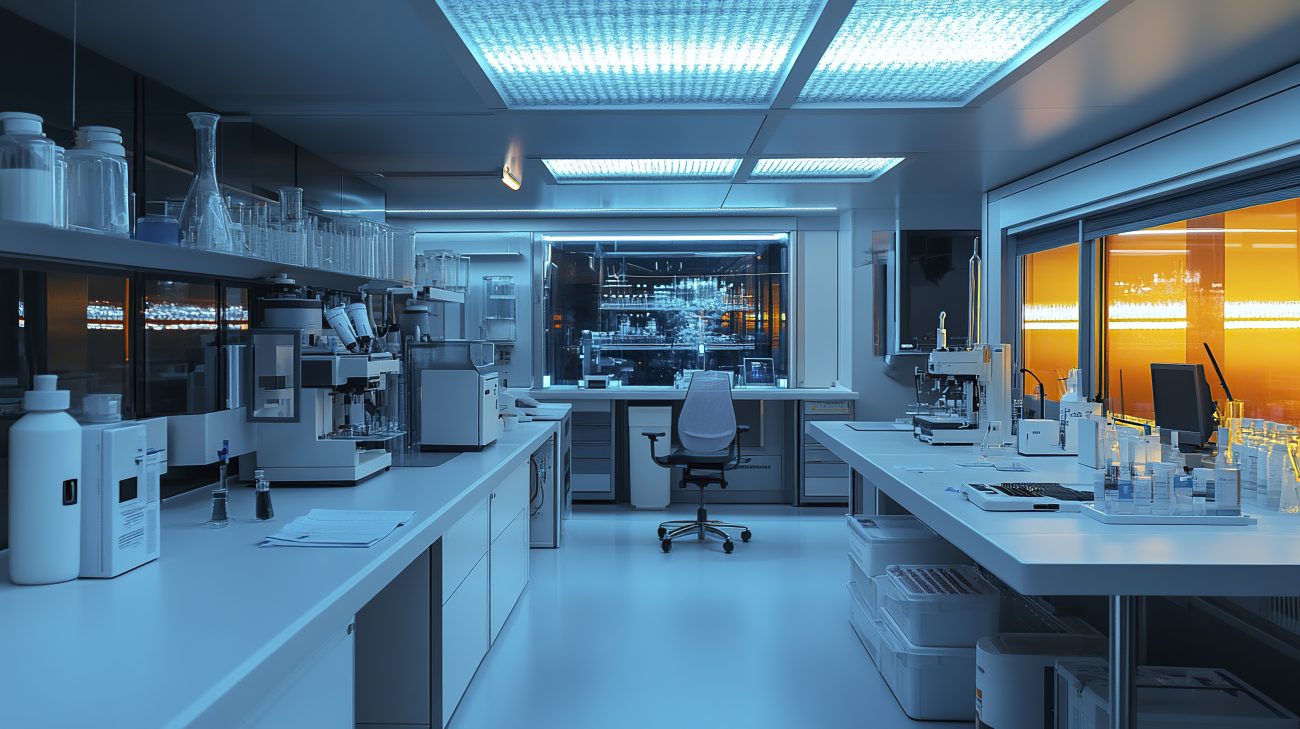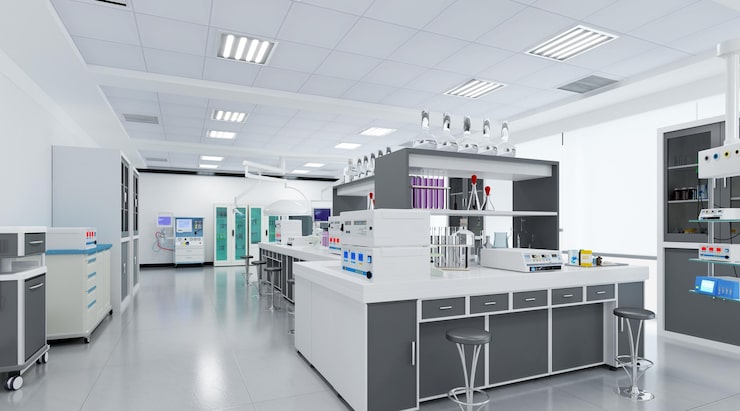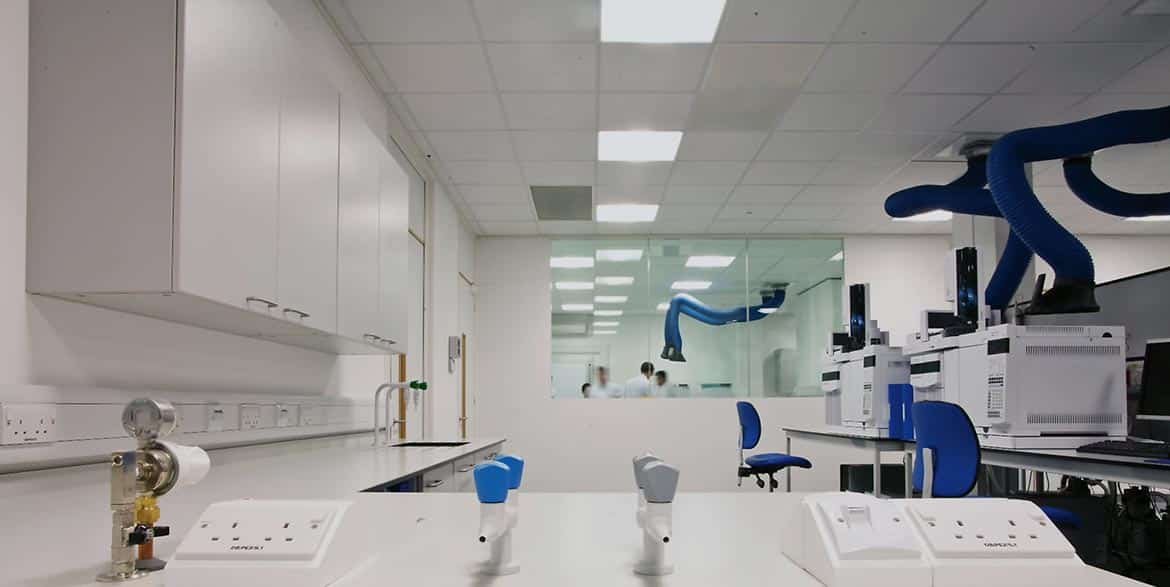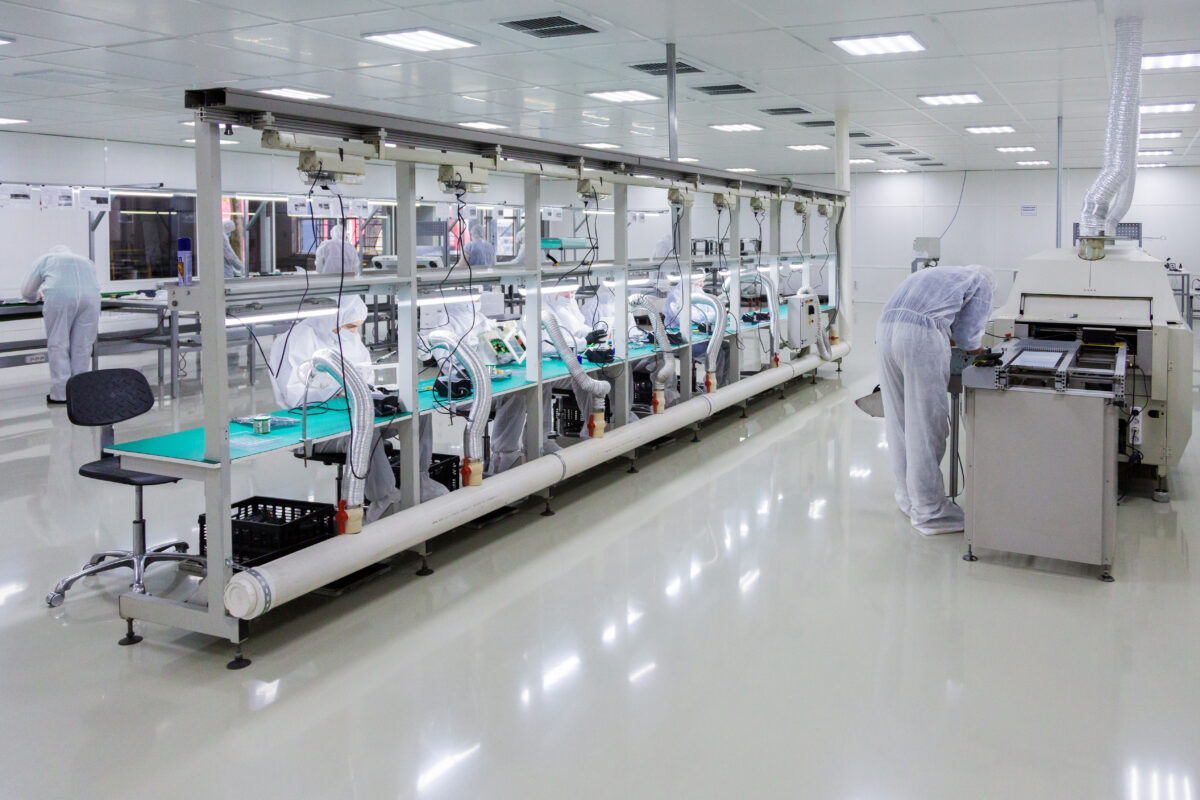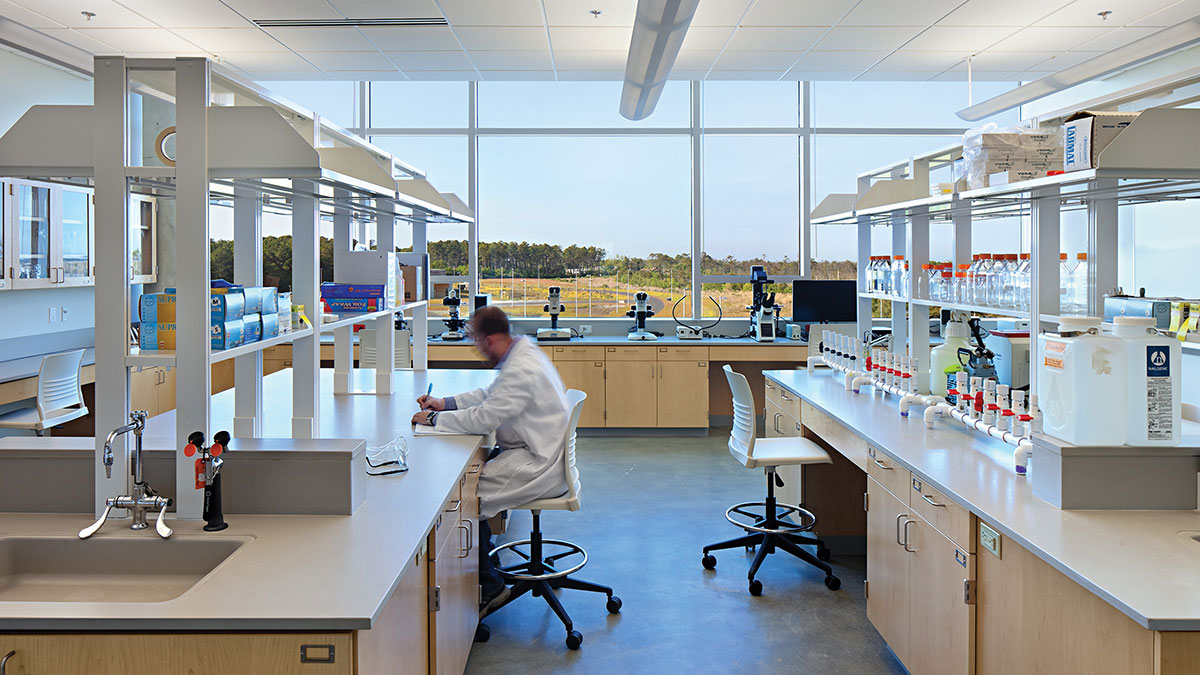

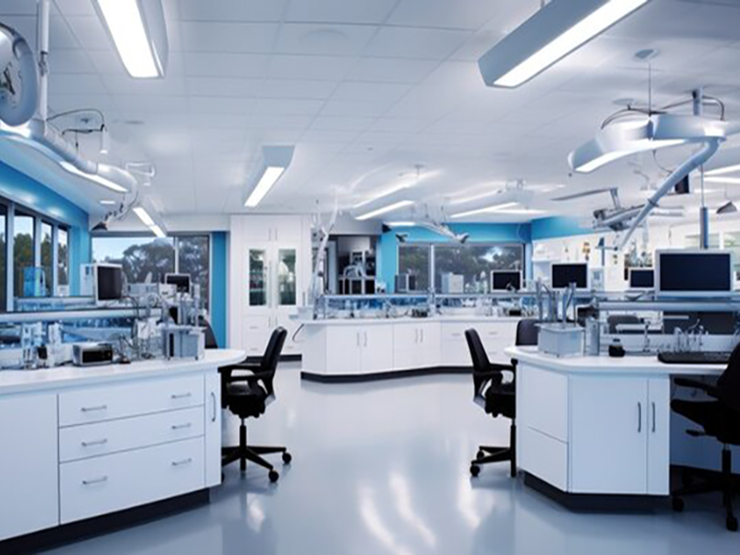
Designing a research laboratory is not just about aesthetics—it’s about safety, compliance, efficiency, and precision. A well-designed lab interior supports accurate research outcomes, protects personnel, and ensures regulatory adherence. Whether it’s a pharmaceutical lab, R&D center, testing facility, or academic research lab, following proper interior design standards is critical.
This blog outlines the essential lab interior design standards every research facility must follow.
1. Compliance with Regulatory Guidelines
Every laboratory must comply with national and international regulations to ensure safety and quality.
Key standards to follow:
- ISO standards (ISO 14644 for cleanrooms)
- GLP (Good Laboratory Practices)
- GMP (Good Manufacturing Practices) – for pharma & biotech labs
- NBC & local fire safety norms
- OSHA & biosafety guidelines
Interior layouts should be planned from the start to meet these requirements and avoid costly redesigns later.
2. Functional Zoning & Workflow Planning
Efficient workflow is the backbone of laboratory design.
Best practices include:
- Clear separation ofclean and contaminated zones
- Defined areas forsample receipt, testing, storage, and disposal
- Unidirectional movement of people, samples, and waste
- Controlled access to sensitive or hazardous zones
Proper zoning minimizes cross-contamination and improves productivity.
3. Safety-First Interior Design
Laboratories deal with chemicals, biological samples, and sensitive equipment—safety cannot be compromised.
Essential safety elements:
- Emergency exits with clear signage
- Safety showers and eyewash stations
- Fire-rated doors and partitions
- Anti-slip, chemical-resistant flooring
- Proper placement of fume hoods and biosafety cabinets
Design should allow quick response during emergencies.
4. Material Selection for Lab Interiors
Materials used in labs must withstand harsh conditions while remaining easy to maintain.
Recommended materials:
- Epoxy or PU flooring for chemical resistance
- Stainless steel or compact laminate worktops
- Non-porous wall finishes for hygiene
- Modular lab furniture for flexibility
- Chemical-resistant paints and sealants
Durable materials reduce long-term maintenance costs.
5. HVAC, Ventilation & Air Quality Control
Airflow management is critical for both safety and research accuracy.
Design considerations:
- Proper air changes per hour (ACH)
- Negative or positive pressure zones as required
- HEPA filtration for clean labs
- Temperature and humidity control
- Noise-controlled HVAC systems
Well-planned HVAC systems ensure compliance and comfort.
6. Lighting & Ergonomics
Good lighting improves accuracy and reduces fatigue.
Lighting standards include:
- Uniform, glare-free illumination
- Task lighting for workstations
- Emergency lighting for power failures
Ergonomic planning:
- Adjustable workbench heights
- Comfortable seating for long research hours
- Adequate legroom and reach zones
Ergonomic labs boost efficiency and staff well-being.
7. Electrical & Data Infrastructure
Modern labs rely heavily on technology.
Must-have provisions:
- Dedicated power lines for sensitive equipment
- UPS and backup power systems
- Proper cable management
- Sufficient data points and networking ports
- Compliance with electrical safety standards
Future-ready infrastructure avoids operational disruptions.
8. Storage & Waste Management
Safe storage and disposal are mandatory in research facilities.
Design standards include:
- Segregated storage for chemicals and samples
- Ventilated chemical storage cabinets
- Biohazard and chemical waste zones
- Easy access to waste disposal routes
- Compliance with environmental regulations
Efficient waste management ensures safety and legal compliance.
9. Flexibility & Scalability
Research needs evolve over time.
Smart lab interiors are:
- Modular and reconfigurable
- Designed for equipment upgrades
- Scalable for future expansion
- Easy to maintain and modify
Flexible designs reduce future renovation costs.
Conclusion
A laboratory’s interior design directly impacts safety, compliance, research accuracy, and operational efficiency. By adhering to established lab interior design standards, research facilities can create environments that support innovation while meeting regulatory requirements.
Partnering with experienced laboratory interior design specialists ensures your lab is future-ready, compliant, and optimized for performance.