Blog
Corporate Office Interior Design: Creating Productive Workspaces

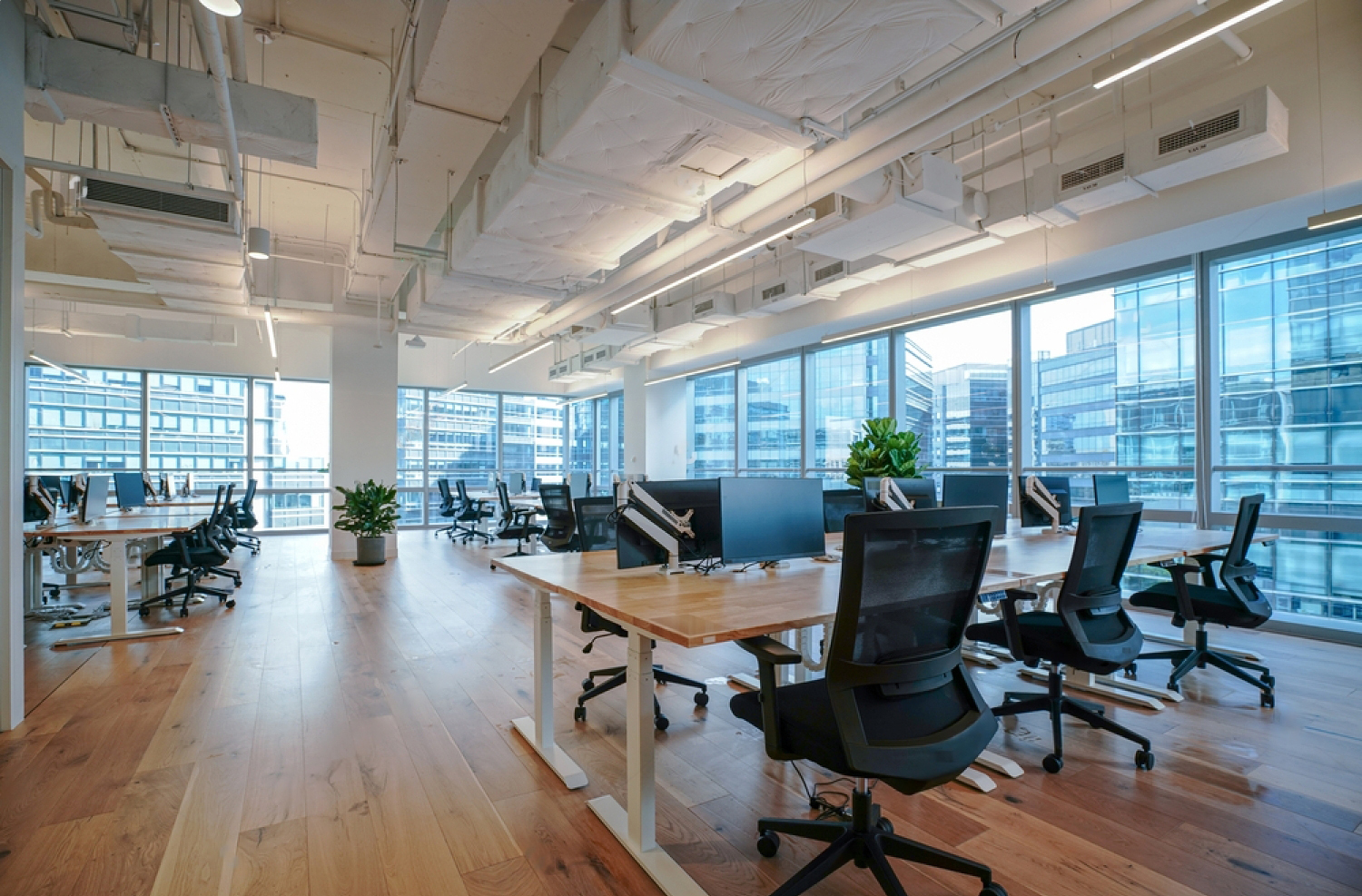
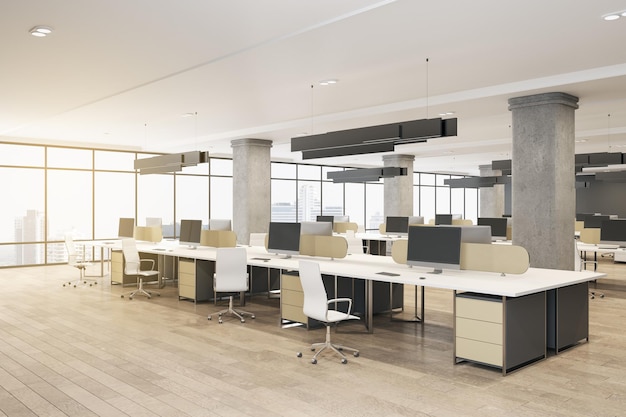
A well-designed corporate office is more than an attractive workplace—it is an environment that influences employee productivity, collaboration, creativity, comfort, and overall business performance. Corporate office interior design combines functionality, brand identity, technology, ergonomics, and aesthetics to create workspaces that support modern business needs.
For organizations looking to build or renovate their workplace, thoughtful office interior planning can create a professional environment that improves employee experience while making a strong impression on clients and visitors.
What Is Corporate Office Interior Design?
Corporate office interior design involves planning and designing workplace environments according to an organization’s operational requirements, culture, brand identity, and future growth plans.
A successful office design considers:
- Space planning and workplace zoning
- Employee seating and ergonomic furniture
- Meeting and conference rooms
- Reception and waiting areas
- Collaboration and breakout spaces
- Lighting and ventilation
- Acoustic comfort
- Technology integration
- Storage and utility areas
- Brand colours and corporate identity
- Safety and compliance requirements
The objective is to create a workspace that is efficient, comfortable, professional, and adaptable.
How Office Interior Design Improves Productivity
1. Efficient Space Planning
Effective space planning ensures that every area of the office has a clear purpose. Workstations, meeting rooms, collaboration zones, circulation paths, and support areas should be positioned to maximize usability and minimize unnecessary movement.
An efficient layout can help employees access the resources and colleagues they need while making better use of available floor space.
2. Ergonomic Workstations
Employees spend a significant part of their working day at their desks. Ergonomic workstations, adjustable seating, appropriate desk heights, and well-positioned monitors can contribute to a more comfortable working environment.
Ergonomic design should be considered from the beginning of the office planning process rather than added later.
3. Collaborative Workspaces
Modern workplaces need areas where employees can exchange ideas, conduct informal discussions, and work together.
Dedicated collaboration zones, breakout areas, meeting rooms, and flexible seating can encourage communication without disturbing employees who require focused work.
4. Lighting and Natural Light
Lighting has a major impact on workplace comfort and visual performance. A combination of natural light and properly planned artificial lighting can create a pleasant working environment.
Where possible, office layouts should make effective use of available daylight while providing suitable task lighting for workstations and meeting areas.
5. Acoustic Planning
Noise can affect concentration and productivity, particularly in open-plan offices. Acoustic ceilings, wall treatments, partitions, carpets, and appropriately designed meeting spaces can help control unwanted noise.
A good office design balances open communication with areas where employees can work without distractions.
Creating a Strong Corporate Identity
An office is also an extension of a company’s brand. Interior design can incorporate corporate colours, logos, materials, graphics, signage, and architectural elements to create a consistent brand experience.
The reception area is particularly important because it is often the first physical interaction clients and visitors have with the organization.
A professionally designed reception and waiting area can communicate credibility, quality, and attention to detail.
Flexible and Future-Ready Office Design
Workplaces continue to evolve. Companies may expand their teams, introduce hybrid working models, or change how different departments use office space.
Flexible office interiors can accommodate these changes through:
- Modular furniture
- Movable partitions
- Multi-purpose meeting spaces
- Flexible seating arrangements
- Shared collaboration areas
- Integrated technology
- Scalable infrastructure
Designing with future requirements in mind can reduce the need for major renovations as the organization grows.
Technology-Enabled Workspaces
Technology is now an essential part of corporate office design. Meeting rooms and workspaces should be planned around modern communication and collaboration requirements.
Smart office features can include:
- Video conferencing systems
- Interactive displays
- Wireless presentation systems
- Integrated power and data connectivity
- Access control systems
- Smart lighting
- Workplace booking systems
Technology should be integrated into the design without compromising aesthetics or functionality.
Sustainable Corporate Office Interiors
Sustainability is becoming increasingly important in workplace design. Businesses can incorporate environmentally responsible solutions through energy-efficient lighting, sustainable materials, efficient HVAC systems, natural lighting, water-saving fixtures, and responsible material selection.
Sustainable design can support environmental goals while creating healthier and more comfortable workplaces.
Importance of Professional Office Interior Designers
A professional corporate office interior designer brings together design, functionality, project planning, and technical requirements. From initial space planning to final execution, professional coordination helps ensure that the workplace meets both aesthetic and operational expectations.
A typical office interior design process includes:
- Understanding business requirements
- Site assessment and measurements
- Space planning
- Concept and design development
- Material and furniture selection
- Electrical, HVAC, and technology coordination
- Detailed drawings and documentation
- Project execution
- Quality inspection and handover
Conclusion
Corporate office interior design plays an important role in creating productive, comfortable, and future-ready workplaces. From ergonomic workstations and efficient space planning to collaborative areas, technology integration, and strong brand identity, every design element can contribute to a better employee and client experience.
Businesses investing in professional office interior design can create workspaces that not only look impressive but also support productivity, collaboration, employee wellbeing, and long-term business growth.