
Blog
Customized Laboratory Solutions in India: Tailored Designs for Modern Research

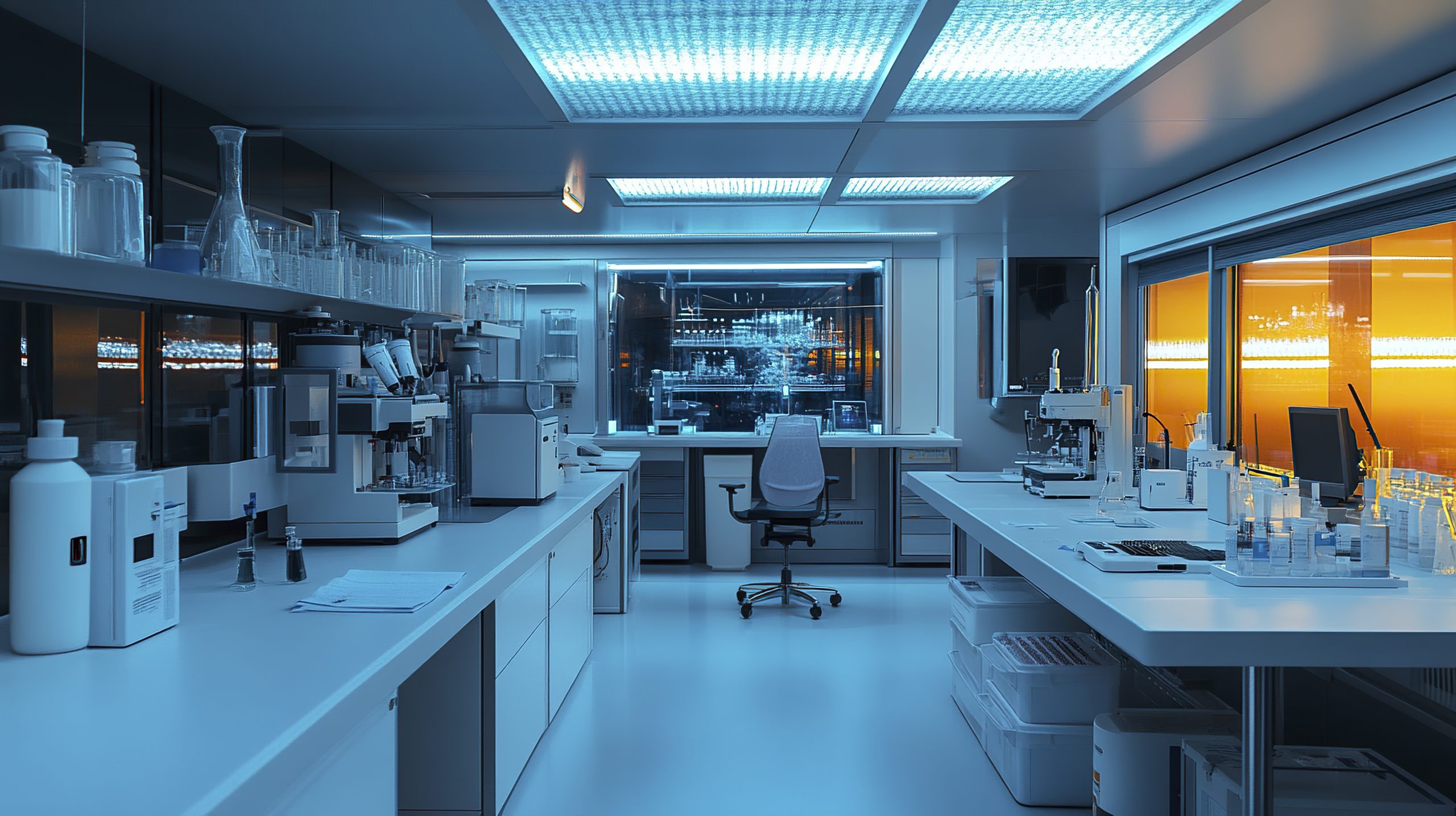
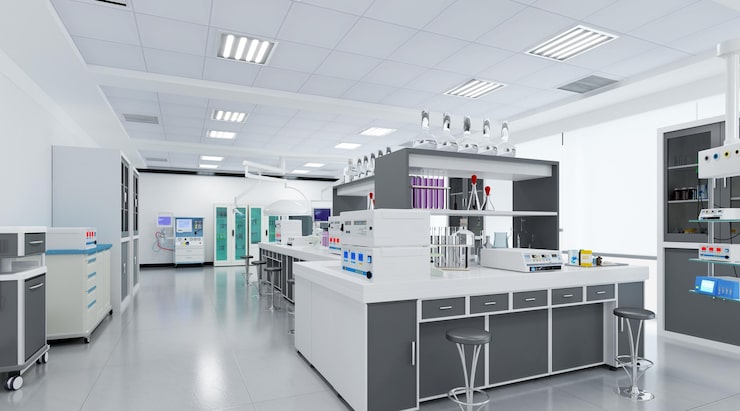
In today’s rapidly evolving scientific and industrial landscape, laboratories require more than just functional spaces. Modern research facilities demand customized laboratory solutions that enhance productivity, ensure safety, support compliance, and accommodate future growth. Across India, organizations in pharmaceuticals, biotechnology, healthcare, research institutions, and industrial sectors are increasingly investing in tailor-made laboratory environments designed to meet their specific operational requirements.
Why Customized Laboratory Design Matters
Every laboratory has unique workflows, equipment requirements, safety standards, and research objectives. A one-size-fits-all approach often leads to inefficiencies, space constraints, and operational challenges. Customized laboratory solutions address these concerns by creating spaces that align perfectly with the client’s processes and goals.
Key benefits include:
- Improved workflow efficiency
- Enhanced safety and regulatory compliance
- Optimal utilization of available space
- Better equipment integration
- Increased employee productivity
- Future-ready infrastructure
Understanding Laboratory Requirements
The first step in designing a customized laboratory is understanding the specific needs of the facility. This involves evaluating:
- Research and testing activities
- Equipment specifications
- Storage requirements
- Safety protocols
- Utility requirements
- Expansion possibilities
A detailed assessment ensures that the final design supports both current operations and future advancements.
Essential Components of Customized Laboratory Solutions
Smart Space Planning
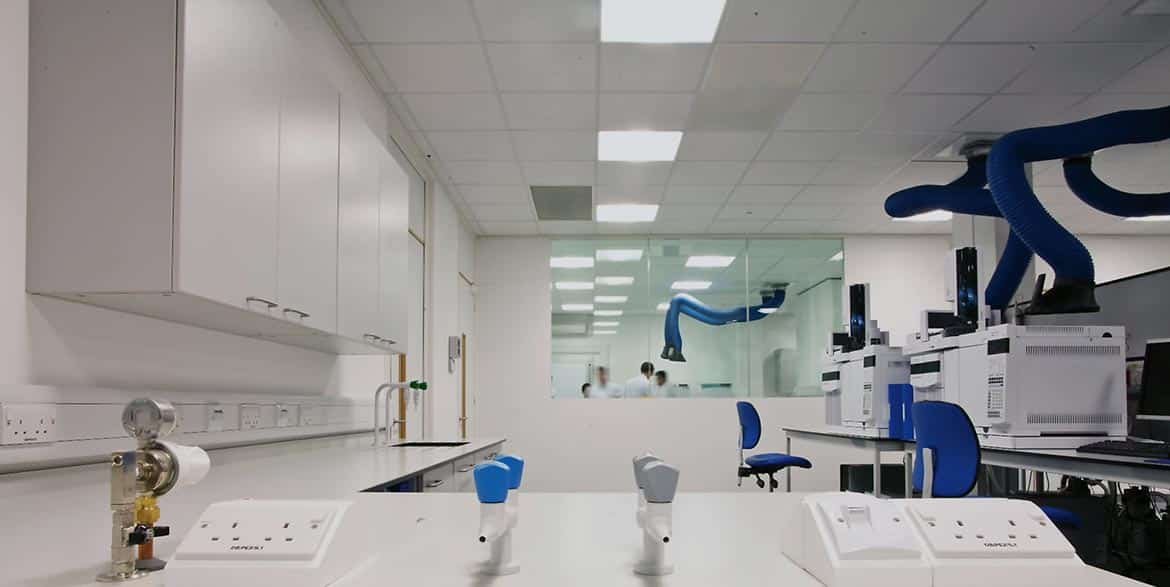
Efficient laboratory layouts reduce movement, improve accessibility, and create smooth workflows. Strategic placement of workstations, equipment, storage units, and utilities helps maximize operational efficiency.
Modular Laboratory Furniture
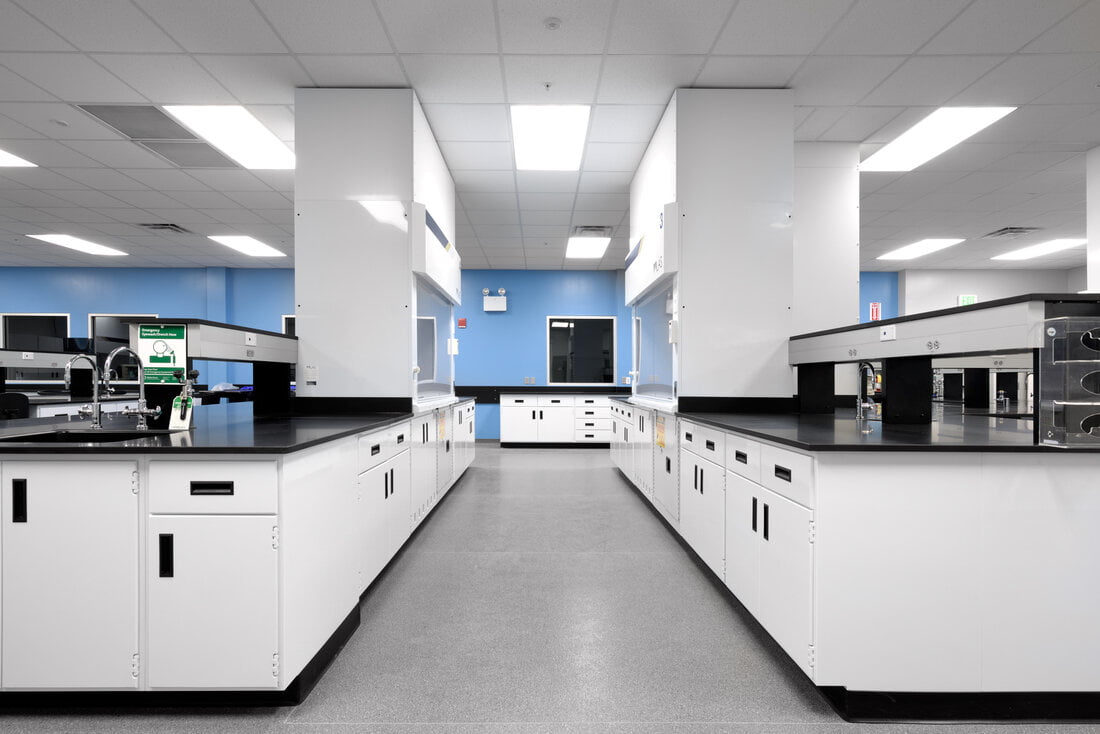
Modern laboratories benefit from modular furniture systems that offer flexibility and adaptability. These solutions can be reconfigured as research needs evolve, reducing long-term renovation costs.
Advanced Safety Features
Safety remains a critical priority in laboratory design. Customized solutions incorporate:
- Fume hoods
- Emergency showers and eyewash stations
- Fire protection systems
- Chemical-resistant surfaces
- Proper ventilation systems
- Hazardous material storage units
Specialized Utility Integration
Laboratories require seamless integration of utilities such as:
- Gas distribution systems
- Compressed air lines
- Vacuum systems
- Electrical networks
- Data and communication systems
- Water purification systems
Customized planning ensures reliable and efficient utility management.
Sustainable Design Solutions
Sustainability has become a major consideration in laboratory construction. Energy-efficient lighting, smart HVAC systems, environmentally friendly materials, and optimized resource utilization contribute to greener laboratory environments.
Laboratory Solutions for Different Industries
Pharmaceutical Laboratories
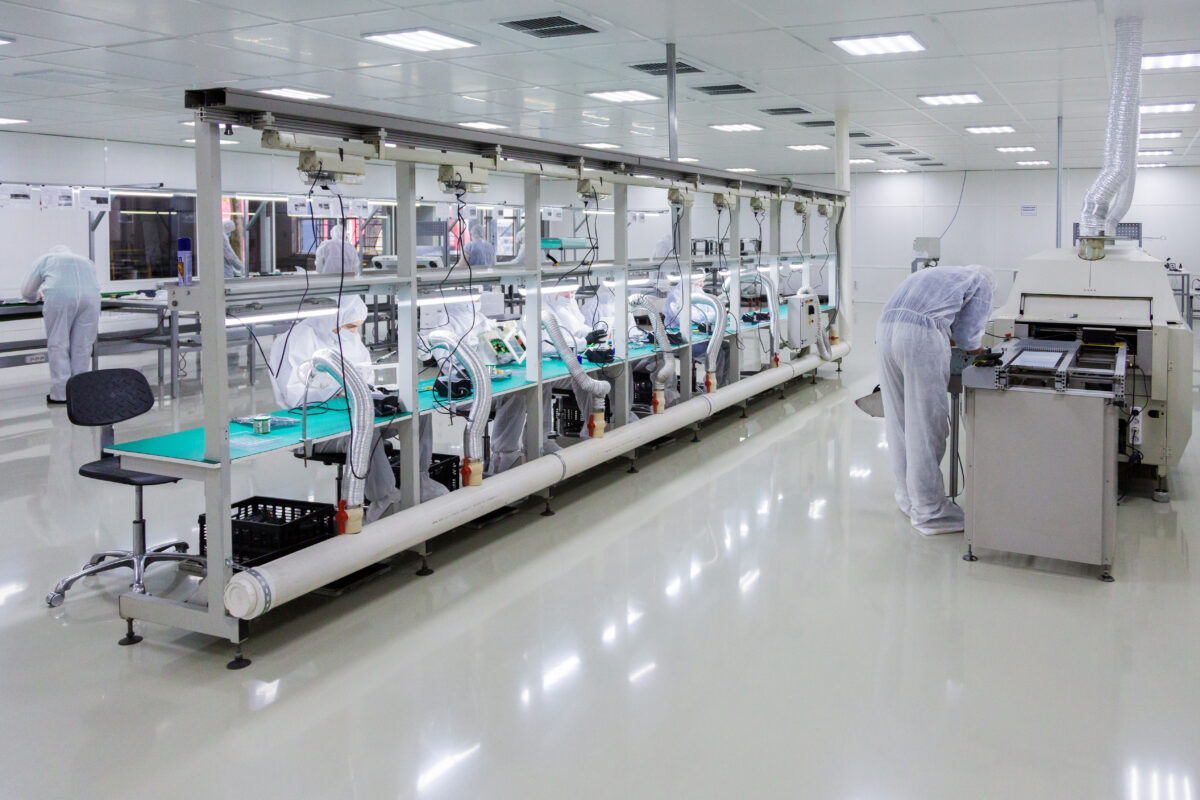
Customized designs focus on regulatory compliance, contamination control, cleanroom integration, and efficient research workflows.
Biotechnology Laboratories
Biotech facilities require flexible layouts, advanced environmental controls, and specialized equipment support for research and development activities.
Healthcare and Diagnostic Laboratories
Accuracy, speed, and patient safety drive the design of diagnostic laboratories, requiring organized workflows and efficient sample handling systems.
Educational and Research Institutions
Academic laboratories demand versatile spaces that support teaching, experimentation, collaboration, and innovation.
Industrial Testing Laboratories
Industrial labs require robust infrastructure capable of supporting testing, quality control, and product development activities.
The Role of Turnkey Laboratory Solutions
Turnkey laboratory solutions simplify the entire project process by providing comprehensive services including:
- Design and planning
- Civil and interior works
- Laboratory furniture installation
- HVAC and utility integration
- Safety system implementation
- Project management and commissioning
This integrated approach ensures timely project completion while maintaining quality standards.
Future Trends in Laboratory Design
As technology continues to advance, laboratories are becoming smarter and more connected. Emerging trends include:
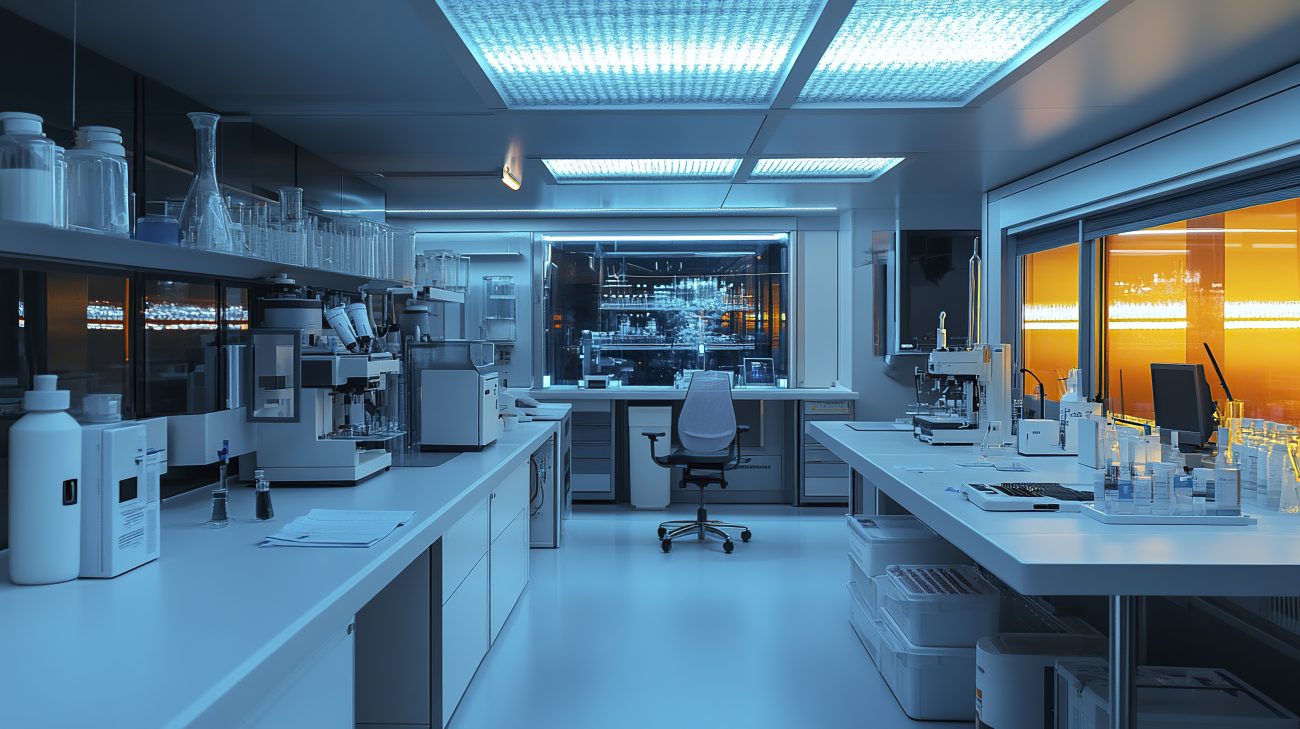
- Smart laboratory automation
- Digital monitoring systems
- IoT-enabled equipment management
- Flexible modular spaces
- Energy-efficient infrastructure
- Advanced contamination control systems
Organizations that invest in future-ready laboratory designs gain a significant advantage in research efficiency and operational excellence.
Conclusion
Customized laboratory solutions are essential for organizations seeking to create safe, efficient, and innovative research environments. By tailoring laboratory designs to specific operational needs, businesses and institutions can improve productivity, ensure compliance, and support long-term growth. Whether it’s a pharmaceutical facility, biotechnology center, research institution, or industrial testing laboratory, customized laboratory design plays a crucial role in driving scientific and technological advancement across India.