Blog
Commercial Office Interior Design: Creating Impactful Work Environments

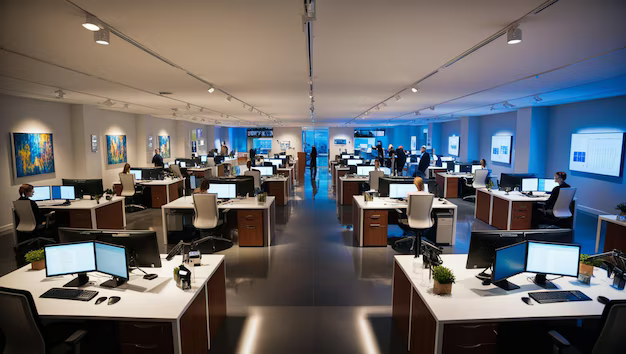
In today’s fast-evolving business landscape, office interiors are no longer just about desks and chairs—they are strategic tools that influence productivity, brand identity, employee well-being, and client perception. Commercial office interior design plays a vital role in shaping how people experience a workspace, making it both functional and inspiring.
Why Office Interior Design Matters
A thoughtfully designed office does more than look appealing—it creates an environment where employees feel motivated, comfortable, and connected. From enhancing workflow efficiency to reinforcing company culture, the right design can significantly impact overall business performance.
Key benefits include:
- Improved employee productivity and focus
- Enhanced brand image and professionalism
- Better space utilization
- Increased employee satisfaction and retention
Understanding Your Brand Through Design
Every organization has a unique identity, and your office should reflect that. Whether it’s a corporate firm, a creative agency, or a tech startup, the design elements—colors, materials, layouts—should align with your brand values.
For example:
- Minimalist designs reflect clarity and efficiency
- Bold colors and open spaces convey creativity and innovation
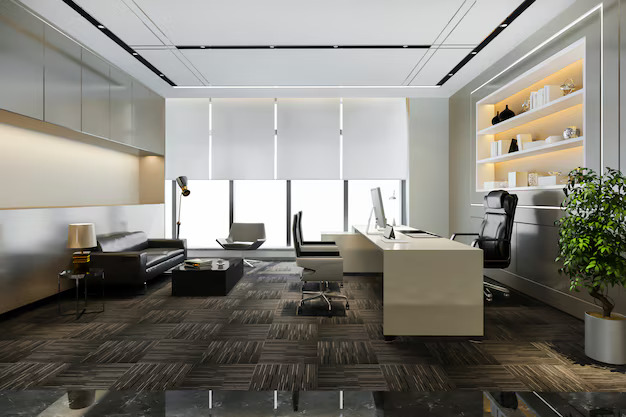
- Elegant finishes communicate professionalism and trust
Optimizing Space Planning
Space planning is the foundation of effective office design. A well-structured layout ensures smooth movement, reduces clutter, and supports collaboration.
Popular office layouts include:
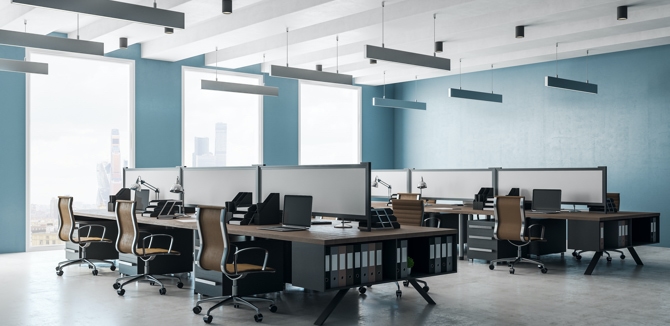
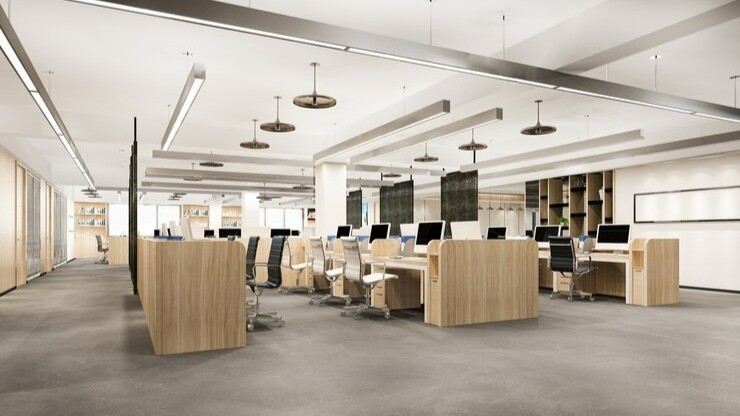
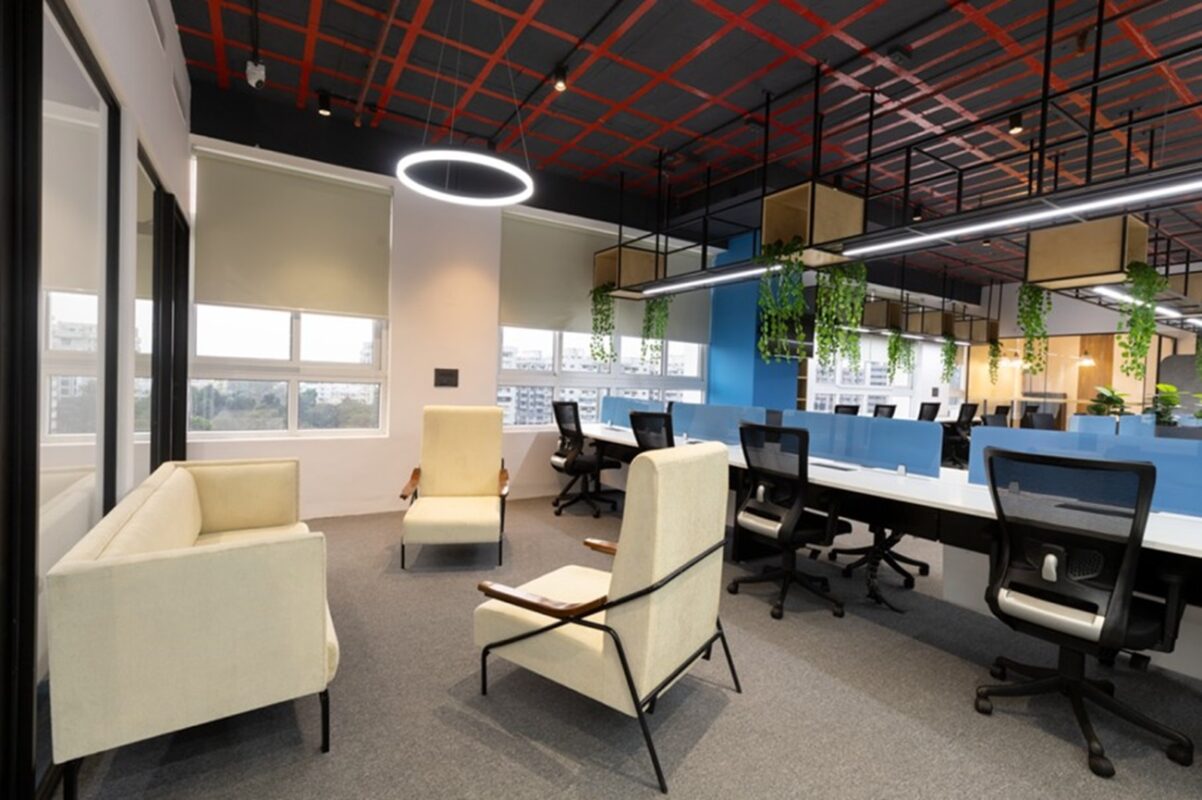
- Open-plan offices for teamwork and communication
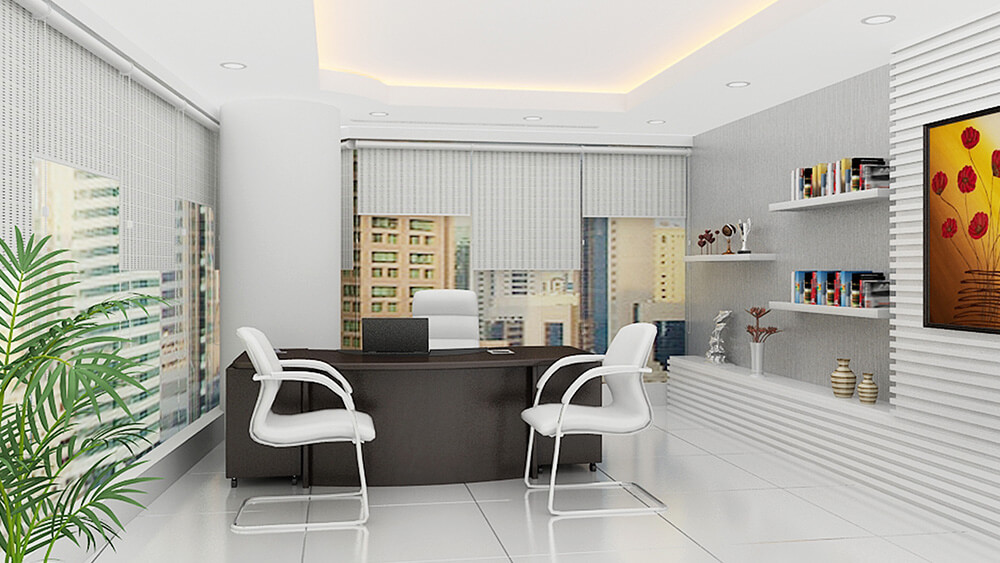
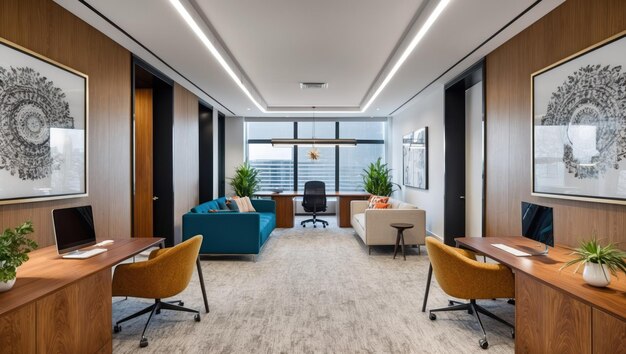
- Private cabins for focused work and confidentiality
- Hybrid layouts that balance collaboration and privacy
Incorporating flexible workstations and multi-purpose areas can further enhance adaptability as business needs evolve.
Prioritizing Employee Well-being
Modern office design places strong emphasis on employee health and comfort. Ergonomics, lighting, ventilation, and acoustics are essential factors that directly affect performance.
Consider:
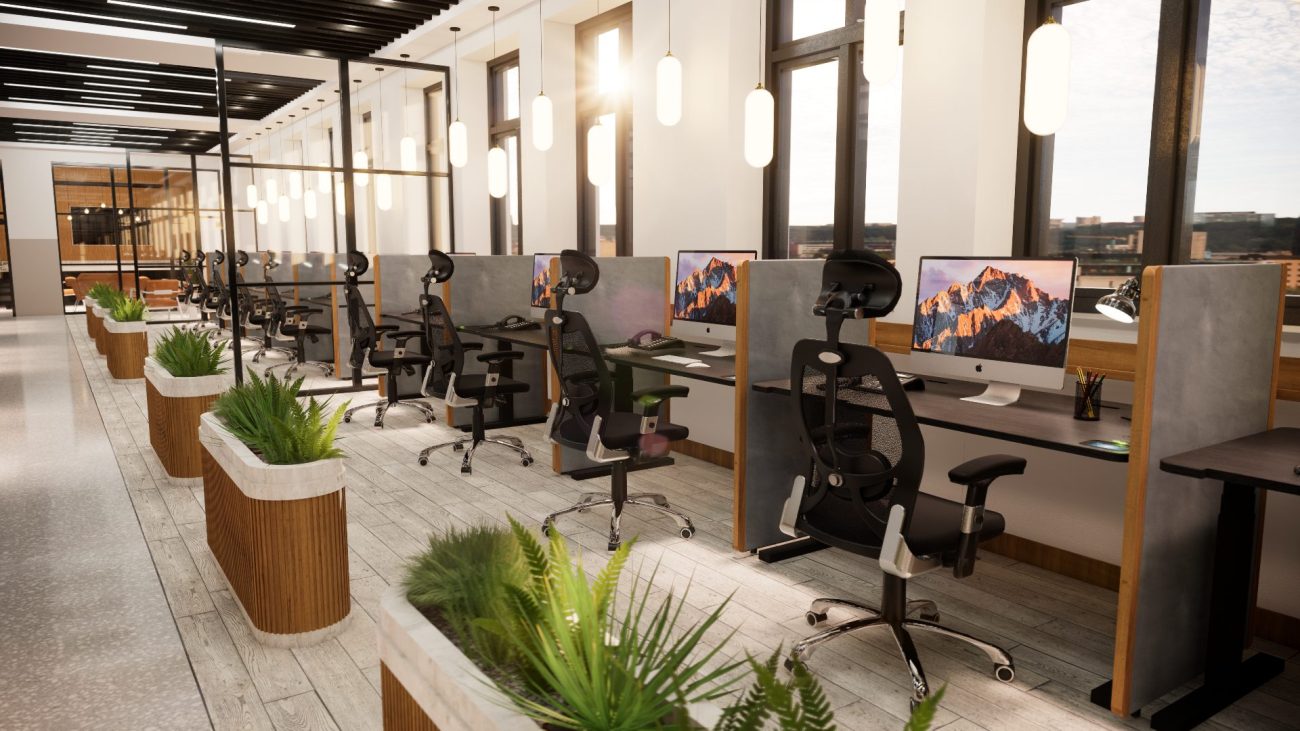
- Ergonomic furniture to reduce strain and fatigue
- Natural lighting to boost mood and energy levels
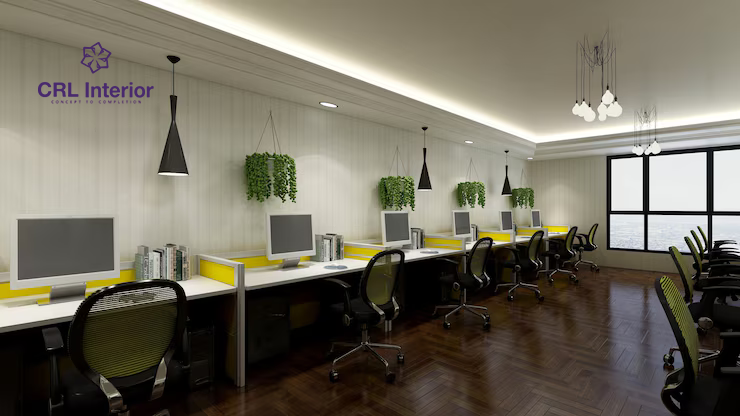
- Indoor plants to improve air quality and aesthetics
- Noise control solutions for better concentration
A wellness-focused workspace creates a positive atmosphere that encourages productivity and creativity.
Integrating Technology Seamlessly
With the rise of digital transformation, offices need to support advanced technology. Smart office solutions enhance efficiency and create a future-ready workspace.
Key integrations:
- Smart lighting and climate control systems
- Video conferencing setups for hybrid teams
- Cable management for clean and organized spaces
- Automated systems for energy efficiency
Creating Collaborative and Breakout Spaces
Collaboration is a key driver of innovation. Designing dedicated zones for meetings, brainstorming, and informal discussions encourages teamwork and idea sharing.
Breakout areas, lounges, and cafeteria-style spaces also provide employees with areas to relax and recharge, contributing to a balanced work environment.
Sustainable and Eco-Friendly Design
Sustainability is becoming a core aspect of commercial interior design. Using eco-friendly materials, energy-efficient lighting, and sustainable practices not only reduces environmental impact but also enhances corporate responsibility.
Features to consider:
- Recycled and low-emission materials
- Energy-efficient lighting systems
- Water-saving fixtures
- Green certifications and standards
Making a Lasting First Impression
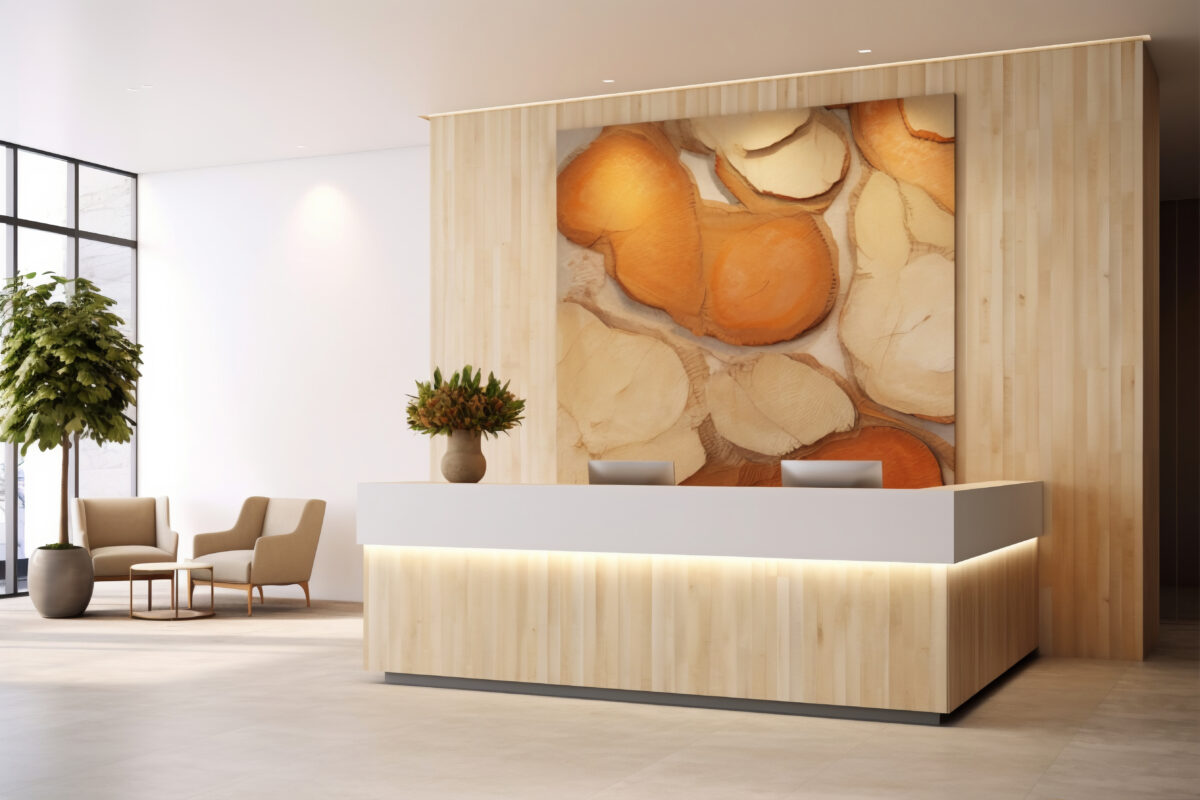
Reception areas and client-facing spaces should be designed to leave a strong impression. A well-designed entrance sets the tone for visitors and reflects the company’s professionalism and values.
Incorporate:
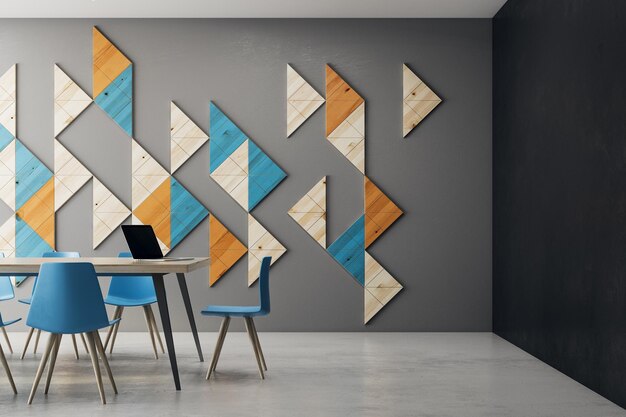
- Statement design elements
- Comfortable seating
- Brand-focused visuals
- Clean and organized layouts
Conclusion
Commercial office interior design is more than just aesthetics—it’s about creating environments that inspire, perform, and evolve with your business. By combining functionality, innovation, and design excellence, companies can build impactful workspaces that drive success.