
Blog
Laboratory Design Consultant: Turning Scientific Vision into Functional Spaces

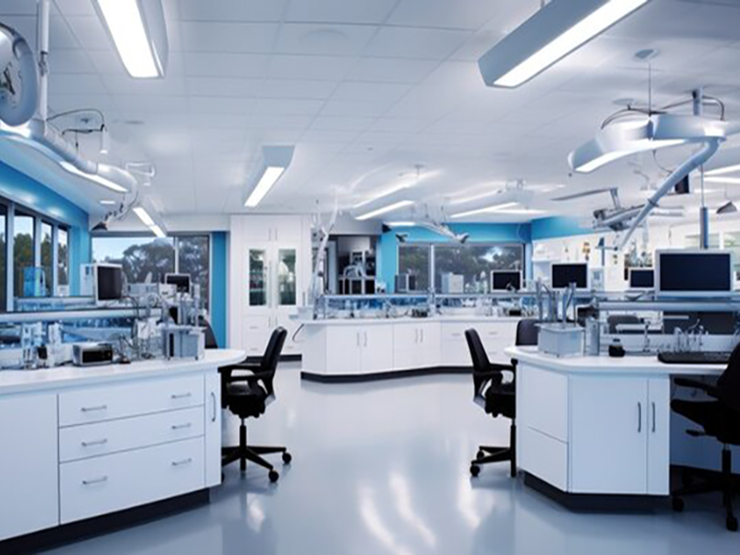
Modern laboratories are no longer just rooms filled with equipment—they are strategic environments where innovation, accuracy, and safety come together. From pharmaceutical research to diagnostic testing and advanced R&D, the role of a laboratory design consultant is critical in transforming a scientific vision into a highly functional, compliant, and future-ready space.
What Does a Laboratory Design Consultant Do?
A laboratory design consultant acts as a bridge between scientific requirements and practical execution. Their expertise ensures that the lab is not only visually organized but also operationally efficient and compliant with regulatory standards.
Key responsibilities include:
- Understanding the client’s research or testing objectives
- Translating workflows into efficient space planning
- Ensuring compliance with safety, hygiene, and regulatory norms
- Coordinating with architects, engineers, and equipment suppliers
- Delivering a lab that supports accuracy, productivity, and scalability
From Vision to Concept: Strategic Lab Planning
Every successful laboratory begins with a clear vision. A design consultant conducts in-depth discussions with stakeholders to understand:
- Type of laboratory (R&D, pathology, QC, pharma, academic, etc.)
- Nature of experiments and equipment requirements
- Personnel strength and workflow movement
- Current needs and future expansion plans
Based on this, conceptual layouts are created that define zoning, circulation paths, and functional adjacencies—ensuring smooth operations with minimal cross-contamination.
Optimizing Workflow and Efficiency
One of the biggest advantages of working with a laboratory design consultant is workflow optimization. Poorly designed labs can lead to bottlenecks, safety risks, and inefficiencies.
Consultants focus on:
- Logical placement of workstations and instruments
- Clear segregation of clean and dirty zones
- Ergonomic bench heights and storage solutions
- Efficient material and personnel movement
This results in faster turnaround times, improved productivity, and reduced operational errors.
Safety and Regulatory Compliance
Laboratories must meet strict national and international standards. A professional lab design consultant ensures compliance with:
- NABL, GLP, GMP, and ISO guidelines
- Fire safety and emergency protocols
- Chemical handling and storage norms
- HVAC, ventilation, and exhaust requirements
By integrating safety into the design stage itself, consultants minimize risks and ensure smooth approvals during audits and inspections.
Smart Material and Furniture Selection
Material selection plays a vital role in lab performance and durability. Consultants recommend:
- Chemical-resistant worktops and surfaces
- Modular laboratory furniture for flexibility
- Easy-to-clean and low-maintenance finishes
- Stainless steel or epoxy-coated storage systems
The right materials not only enhance safety but also extend the life of the laboratory infrastructure.
Technology-Integrated Laboratory Design
Today’s labs demand smart solutions. Laboratory design consultants incorporate:
- Data and power management systems
- Smart storage and monitoring solutions
- Adaptable layouts for evolving technologies
- Integration of specialized equipment and automation
This future-ready approach ensures that the laboratory can adapt to changing scientific and technological needs.
Turnkey Execution: One Point of Responsibility
Many consultants offer turnkey laboratory design solutions, managing everything from design to execution. This includes:
- Detailed drawings and 3D visualizations
- Civil, electrical, HVAC, and plumbing coordination
- Furniture, equipment, and utility installation
- Final testing, validation, and handover
A single point of responsibility ensures quality control, timely delivery, and cost efficiency.
Why Hiring a Laboratory Design Consultant Matters
Engaging a laboratory design consultant is an investment in long-term success. Benefits include:
- Reduced operational risks
- Faster project execution
- Compliance-ready infrastructure
- Improved researcher productivity
- Scalable and future-proof lab spaces
Conclusion
A well-designed laboratory empowers scientists to focus on what they do best—innovation and discovery. By turning scientific vision into functional, safe, and efficient spaces, a laboratory design consultant plays a crucial role in the success of any research or testing facility.
Modern laboratories are no longer just rooms filled with equipment—they are strategic environments where innovation, accuracy, and safety come together. From pharmaceutical research to diagnostic testing and advanced R&D, the role of a laboratory design consultant is critical in transforming a scientific vision into a highly functional, compliant, and future-ready space.
What Does a Laboratory Design Consultant Do?
A laboratory design consultant acts as a bridge between scientific requirements and practical execution. Their expertise ensures that the lab is not only visually organized but also operationally efficient and compliant with regulatory standards.
Key responsibilities include:
- Understanding the client’s research or testing objectives
- Translating workflows into efficient space planning
- Ensuring compliance with safety, hygiene, and regulatory norms
- Coordinating with architects, engineers, and equipment suppliers
- Delivering a lab that supports accuracy, productivity, and scalability
From Vision to Concept: Strategic Lab Planning
Every successful laboratory begins with a clear vision. A design consultant conducts in-depth discussions with stakeholders to understand:
- Type of laboratory (R&D, pathology, QC, pharma, academic, etc.)
- Nature of experiments and equipment requirements
- Personnel strength and workflow movement
- Current needs and future expansion plans
Based on this, conceptual layouts are created that define zoning, circulation paths, and functional adjacencies—ensuring smooth operations with minimal cross-contamination.
Optimizing Workflow and Efficiency
One of the biggest advantages of working with a laboratory design consultant is workflow optimization. Poorly designed labs can lead to bottlenecks, safety risks, and inefficiencies.
Consultants focus on:
- Logical placement of workstations and instruments
- Clear segregation of clean and dirty zones
- Ergonomic bench heights and storage solutions
- Efficient material and personnel movement
This results in faster turnaround times, improved productivity, and reduced operational errors.
Safety and Regulatory Compliance
Laboratories must meet strict national and international standards. A professional lab design consultant ensures compliance with:
- NABL, GLP, GMP, and ISO guidelines
- Fire safety and emergency protocols
- Chemical handling and storage norms
- HVAC, ventilation, and exhaust requirements
By integrating safety into the design stage itself, consultants minimize risks and ensure smooth approvals during audits and inspections.
Smart Material and Furniture Selection
Material selection plays a vital role in lab performance and durability. Consultants recommend:
- Chemical-resistant worktops and surfaces
- Modular laboratory furniture for flexibility
- Easy-to-clean and low-maintenance finishes
- Stainless steel or epoxy-coated storage systems
The right materials not only enhance safety but also extend the life of the laboratory infrastructure.
Technology-Integrated Laboratory Design
Today’s labs demand smart solutions. Laboratory design consultants incorporate:
- Data and power management systems
- Smart storage and monitoring solutions
- Adaptable layouts for evolving technologies
- Integration of specialized equipment and automation
This future-ready approach ensures that the laboratory can adapt to changing scientific and technological needs.
Turnkey Execution: One Point of Responsibility
Many consultants offer turnkey laboratory design solutions, managing everything from design to execution. This includes:
- Detailed drawings and 3D visualizations
- Civil, electrical, HVAC, and plumbing coordination
- Furniture, equipment, and utility installation
- Final testing, validation, and handover
A single point of responsibility ensures quality control, timely delivery, and cost efficiency.
Why Hiring a Laboratory Design Consultant Matters
Engaging a laboratory design consultant is an investment in long-term success. Benefits include:
- Reduced operational risks
- Faster project execution
- Compliance-ready infrastructure
- Improved researcher productivity
- Scalable and future-proof lab spaces
Conclusion
A well-designed laboratory empowers scientists to focus on what they do best—innovation and discovery. By turning scientific vision into functional, safe, and efficient spaces, a laboratory design consultant plays a crucial role in the success of any research or testing facility.