
Blog
Cleanroom Lab Designers: Creating Spaces That Define Precision

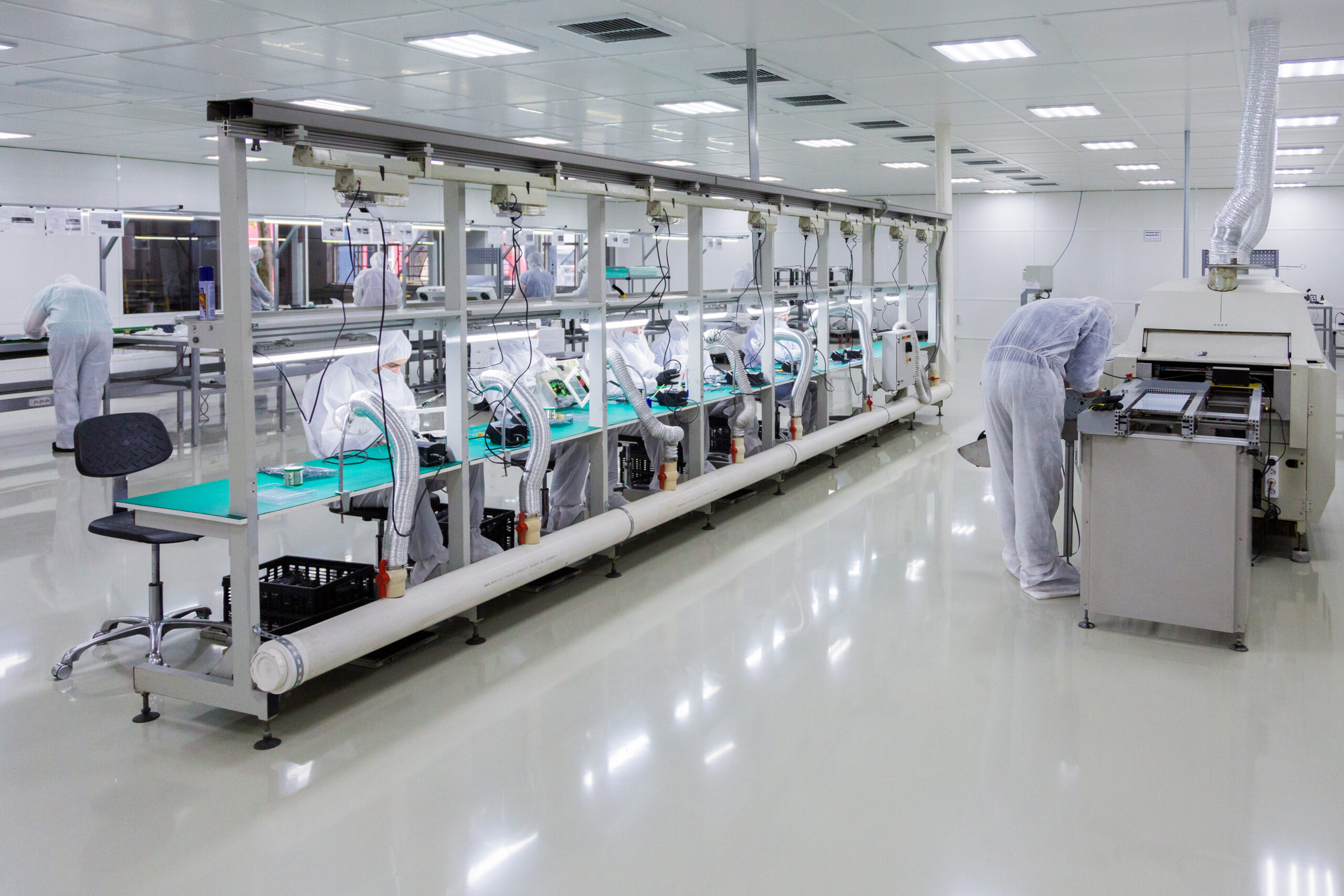
In industries like pharmaceuticals, biotechnology, electronics, and healthcare, precision is more than a requirement—it’s a way of life. Cleanrooms serve as the backbone of such high-precision environments, ensuring that operations meet the strictest standards of cleanliness and contamination control. Behind every world-class cleanroom stands a team of expert cleanroom lab designers who blend engineering, architecture, and functionality to create spaces that define precision.
The Role of Cleanroom Designers
Cleanroom design goes far beyond aesthetics. It demands a deep understanding of airflow dynamics, contamination control, and compliance standards. Cleanroom designers work closely with engineers and facility managers to deliver layouts that optimize workflow while maintaining regulatory standards such as ISO, GMP, or USP.
A well-planned cleanroom is not only about maintaining air purity—it’s also about enhancing efficiency, safety, and flexibility. Designers ensure that every square foot of space supports smooth operations and reduces the risk of cross-contamination.
Key Elements of Effective Cleanroom Design
- Zoning and Layout Planning Efficient zoning ensures proper segregation between controlled and uncontrolled areas. Designers strategically plan personnel and material flow to prevent contamination at every stage.
- Airflow & Filtration Systems Cleanroom designers integrate advanced HVAC systems with HEPA or ULPA filters to maintain consistent air cleanliness levels, ensuring laminar flow where needed.
- Surface Materials & Finishes The choice of materials—stainless steel, epoxy-coated panels, or modular cleanroom partitions—plays a critical role in maintaining hygiene and durability.
- Lighting & Ergonomics Bright, shadow-free illumination enhances visibility and precision in laboratory work, while ergonomic design ensures comfort and productivity for personnel.
- Compliance & Validation Every cleanroom is built to meet international standards. Designers ensure that the space is ready for validation and certification as per ISO or GMP guidelines.
The Shift Toward Modular Cleanroom Design
Modern cleanroom labs are increasingly adopting modular systems—prefabricated, customizable, and scalable structures that save time and cost. These modular designs are not only easier to install but also offer flexibility for future expansion or reconfiguration.
With modular cleanroom panels, doors, and partitions, designers can deliver high-performance spaces without compromising on precision or aesthetics.
Sustainability in Cleanroom Design
Energy efficiency is becoming a major focus in cleanroom projects. Today’s designers use smart HVAC controls, LED lighting, and eco-friendly materials to reduce energy consumption while maintaining strict environmental control. This approach ensures that cleanrooms are not just precise but also sustainable.
Why Expert Design Matters
A poorly designed cleanroom can lead to contamination risks, operational inefficiencies, and compliance failures. Working with experienced cleanroom lab designers ensures that every detail—from airflow to flooring—is aligned with your operational needs and industry standards.
A well-designed cleanroom reflects your commitment to quality, precision, and safety.
Conclusion
Creating a cleanroom is a scientific art—where precision meets performance. Skilled cleanroom lab designers bring together architecture, technology, and regulatory knowledge to craft spaces that empower innovation and excellence. Whether you’re setting up a pharmaceutical lab or a semiconductor facility, investing in professional cleanroom design is the foundation for long-term success.