
Blog
Modern Laboratory Furniture: What to Expect from a Professional Manufacturer

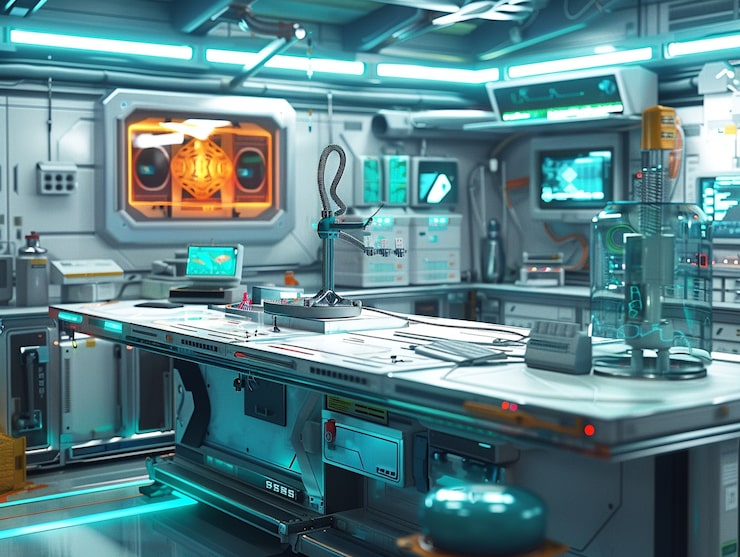
Modern laboratories require more than functional workstations and storage units. Laboratory furniture must support safety, efficiency, durability, hygiene, ergonomics, and compliance while adapting to the specific requirements of research, pharmaceutical, healthcare, educational, and industrial environments.
Choosing a professional laboratory furniture manufacturer can make a significant difference in the performance and longevity of your laboratory. From material selection and customized designs to installation and after-sales support, a reliable manufacturer provides a complete solution tailored to your operational needs.
What Is Modern Laboratory Furniture?
Modern laboratory furniture includes specialized workstations, laboratory benches, storage cabinets, fume hoods, sink units, reagent cabinets, mobile workstations, service panels, and other components designed specifically for laboratory environments.
Unlike conventional furniture, laboratory furniture is engineered to withstand chemicals, moisture, heavy equipment, frequent cleaning, and demanding working conditions.
Key Features to Expect from a Professional Manufacturer
1. Customized Laboratory Furniture Design
Every laboratory has different requirements based on its activities, equipment, workflow, and available space. A professional manufacturer should provide customized solutions rather than relying only on standard furniture sizes.
The design process may consider:
- Laboratory workflow and personnel movement
- Equipment dimensions and utility requirements
- Storage requirements
- Electrical and plumbing services
- HVAC and ventilation requirements
- Safety and emergency access
- Future expansion requirements
Customized planning helps maximize available space while creating a more efficient working environment.
2. High-Quality and Durable Materials
Laboratory furniture must withstand demanding conditions. Professional manufacturers use materials selected according to the laboratory’s application.
Common materials include:
- Epoxy resin worktops
- Phenolic resin worktops
- Stainless steel
- Chemical-resistant laminates
- Powder-coated steel
- High-pressure laminate
- Specialized laboratory-grade boards
Material selection should be based on factors such as chemical exposure, temperature, moisture, cleaning procedures, and load requirements.
3. Ergonomic Workstations
Laboratory personnel often spend several hours working at laboratory benches. Modern furniture should therefore provide an ergonomic working environment.
Professional manufacturers consider appropriate worktop heights, seating arrangements, legroom, equipment positioning, storage accessibility, and user comfort during the design process.
An ergonomic laboratory can improve productivity while reducing unnecessary physical strain.
4. Integrated Laboratory Utilities
Modern laboratory furniture often needs to accommodate multiple services. Professional manufacturers can coordinate furniture designs with utility requirements such as:
- Electrical sockets
- Data connections
- Water supply
- Drainage
- Compressed air
- Vacuum
- Laboratory gases
- Other specialized services
Integrating utilities into the furniture layout creates a cleaner and more organized laboratory environment.
5. Chemical and Corrosion Resistance
Laboratory surfaces may come into contact with chemicals, solvents, reagents, and cleaning agents. Professional manufacturers should recommend appropriate materials based on the laboratory’s specific chemical environment.
Chemical-resistant surfaces and corrosion-resistant hardware can significantly extend furniture service life.
6. Safety-Focused Design
Safety is a critical consideration in laboratory furniture design. Depending on the application, furniture may need to accommodate fume extraction, chemical storage, emergency access, spill management, and safe equipment operation.
A professional manufacturer works closely with laboratory designers and users to incorporate appropriate safety features into the furniture system.
7. Modular and Flexible Solutions
Laboratories frequently change as research activities, equipment, and processes evolve. Modular laboratory furniture provides flexibility for future modifications.
Features such as mobile tables, adjustable storage, modular cabinets, and adaptable service systems can make it easier to reconfigure the laboratory when requirements change.
8. Precision Manufacturing and Quality Control
Professional laboratory furniture manufacturers should maintain strict quality-control procedures throughout production.
Important aspects include:
- Accurate dimensions
- Strong joints and structural construction
- Quality hardware
- Smooth and durable finishes
- Proper load-bearing capacity
- Consistent workmanship
- Inspection before delivery
Good manufacturing quality ensures that furniture performs reliably in demanding laboratory environments.
Installation Is Just as Important as Manufacturing
High-quality laboratory furniture needs professional installation to perform correctly. Installation involves accurate positioning, leveling, utility coordination, and integration with other laboratory systems.
An experienced installation team can coordinate furniture with electrical, plumbing, HVAC, ventilation, and laboratory equipment requirements.
Support for Different Laboratory Applications
A professional manufacturer should understand the requirements of different laboratory environments, including:
- Pharmaceutical laboratories
- R&D laboratories
- Quality control laboratories
- Microbiology laboratories
- Chemical laboratories
- Healthcare laboratories
- Educational laboratories
- Industrial laboratories
- Testing laboratories
- Research facilities
The furniture specifications can then be selected according to the operational requirements of each facility.
Compliance and Industry Standards
Laboratory furniture should be designed and manufactured with relevant safety, quality, and project requirements in mind. Depending on the application and location, projects may need to consider applicable laboratory, fire, electrical, ventilation, occupational safety, and quality standards.
A professional manufacturer should be able to discuss the appropriate specifications and documentation required for the project.
After-Sales Service and Maintenance
Laboratory furniture is a long-term investment. Reliable manufacturers should provide support after installation, including maintenance guidance, replacement components, repairs, and technical assistance where required.
Good after-sales support helps maintain laboratory furniture performance throughout its service life.
Why Choose a Professional Laboratory Furniture Manufacturer?
Working with an experienced manufacturer provides several advantages:
- Customized laboratory solutions
- Better material selection
- Improved laboratory workflow
- Durable construction
- Integrated utilities
- Enhanced safety
- Professional installation
- Future flexibility
- Long-term technical support
Instead of selecting laboratory furniture based only on price, organizations should evaluate the manufacturer’s technical expertise, material quality, customization capabilities, project experience, installation support, and after-sales service.
Conclusion
Modern laboratory furniture is an important part of a safe, efficient, and productive laboratory environment. A professional laboratory furniture manufacturer should provide more than cabinets and workbenches—they should deliver solutions designed around workflow, safety, durability, utilities, equipment, and future requirements.
Whether you are developing a new laboratory, upgrading an existing facility, or executing a complete laboratory fit-out, partnering with an experienced manufacturer can help ensure that your furniture meets both current operational needs and long-term performance expectations.